If you have ever wondered what makes Palos Verdes Estates feel so distinct from other coastal communities in Los Angeles County, the answer often becomes clear on foot. This is not a place defined by busy commercial strips or a standard street grid. Instead, you find winding roads, preserved open space, historic architecture, and ocean-facing edges that shape how the city looks and feels day to day. If you are considering a move, preparing to sell, or simply getting to know the area better, this neighborhood walk-through will help you picture what life in Palos Verdes Estates is really like. Let’s dive in.
What Makes Palos Verdes Estates Unique
Palos Verdes Estates was incorporated on December 20, 1939, and it was planned with a very specific vision in mind. The city describes that original plan as one of winding roads, green hillsides, and permanent open space, with 28% of the land set aside for preservation.
That planning still shapes the experience of the city today. According to city documents, Palos Verdes Estates is overwhelmingly residential, predominately single-family, and nearly fully developed. Commercial activity is limited to two small areas, which gives the city a calm, neighborhood-centered feel rather than the pace of a more built-up beach town.
The city also points to a combination of street trees, ocean and hillside views, architecture, open space, residential roadways, and clear skies as part of its character. When you walk through Palos Verdes Estates, those features do not feel like separate details. They work together to create a setting that feels cohesive and intentionally preserved.
Start in Malaga Cove
If you want the clearest introduction to Palos Verdes Estates, Malaga Cove is the natural place to begin. It is the city’s historic core and one of its most recognizable public-facing areas.
Malaga Cove Plaza is described by the city as the centerpiece of Palos Verdes Estates’ Mediterranean Revival architecture. It hosts many local businesses, and the setting feels compact and destination-based rather than commercial in a typical suburban sense.
This is also one of the easiest places in the city for a short walk. Public parking lots are located in Malaga Cove Plaza and at the south intersection of Palos Verdes Drive West and Paseo Del Mar, so it works well for a stop-and-stroll visit.
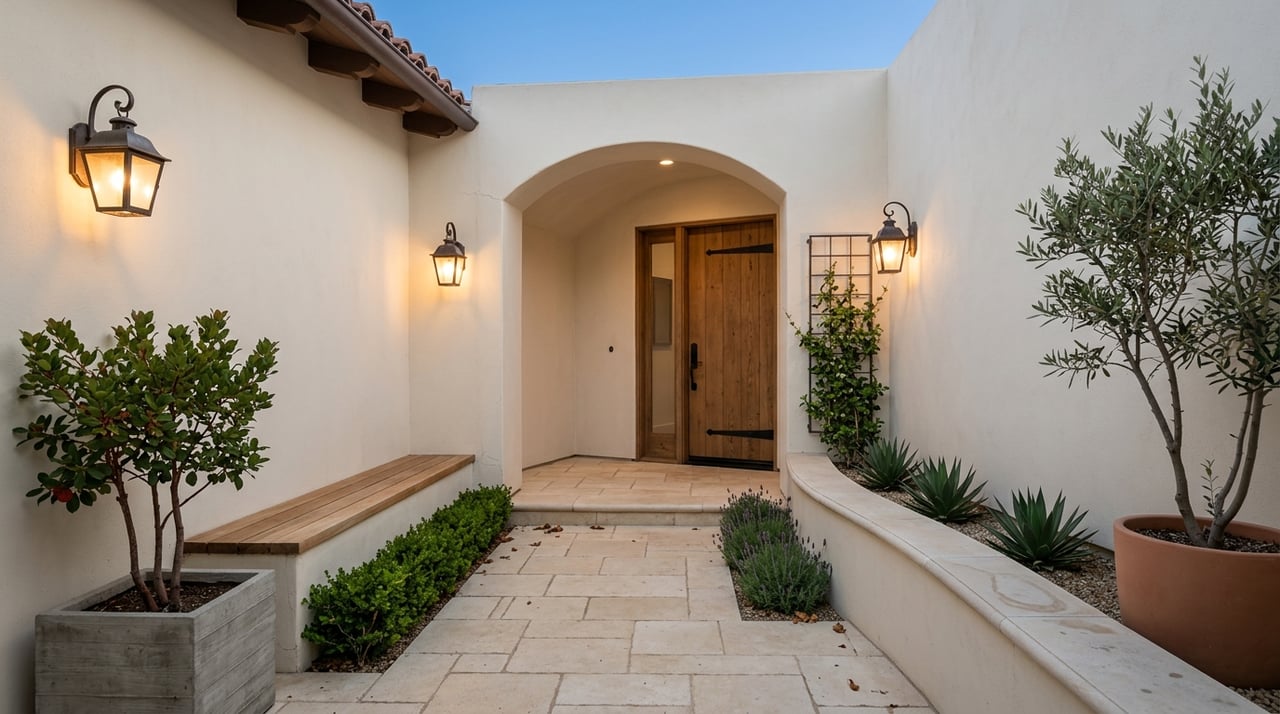
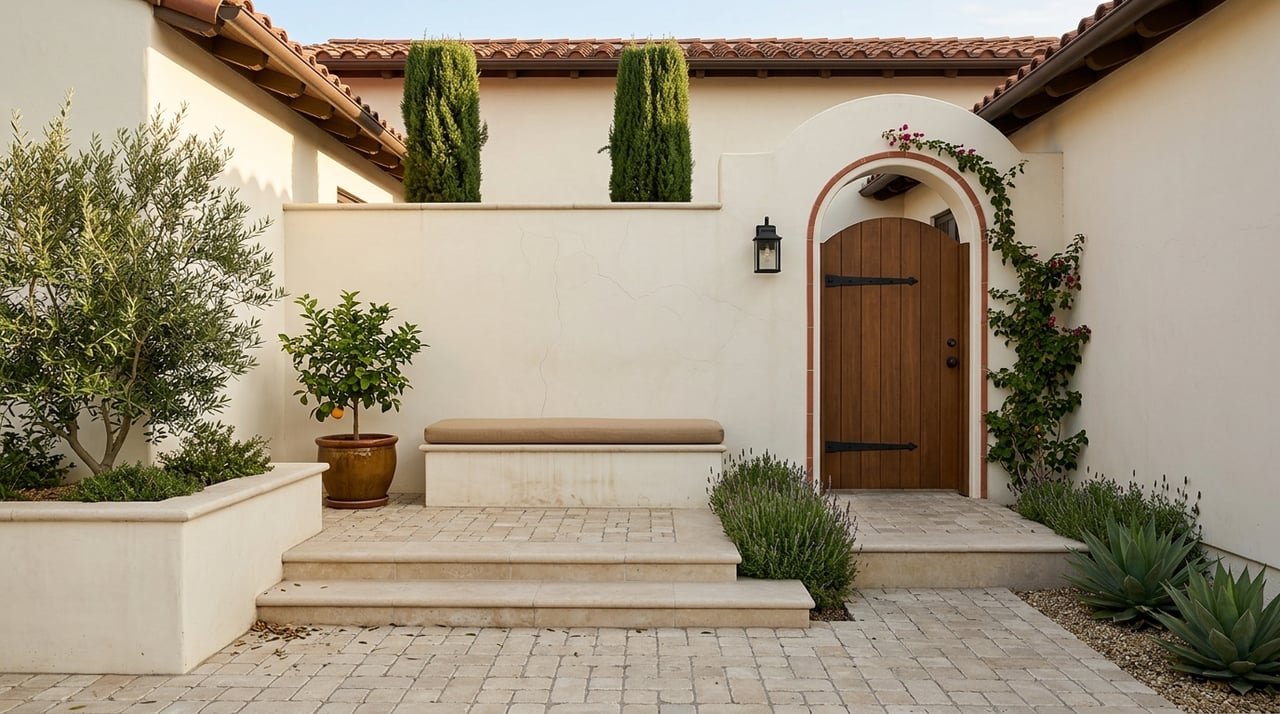
As you move through the area, you start to see the architectural language that helps define the city. The forms, rooflines, and details echo the Spanish-inspired and Mediterranean Revival design themes that have been part of Palos Verdes Estates since its early development in the 1920s.
Landmarks That Tell the Story
Several public landmarks give Malaga Cove its identity. The Malaga Cove Library, described by the Palos Verdes Library District as a Mediterranean Revival building designed by Myron Hunt with a garden by the Olmsted brothers, serves as the city library.
Nearby, La Venta Inn holds an important place in local history. The city notes that it was the first building erected in Palos Verdes Estates and that it was designed in the form of a Spanish villa.
Malaga Cove Plaza itself is listed on the National Register of Historic Places. Along with the Neptune fountain, the library, and La Venta Inn, it helps tell a clear story about the city’s architectural roots and why the area feels visually consistent even after many decades.
Continue to Lunada Bay
From Malaga Cove, your mental map of the city starts to expand. Lunada Bay is the other main commercial pocket in Palos Verdes Estates, and like Malaga Cove, it is small in scale and locally oriented.
Rather than functioning as a large retail district, Lunada Bay feels tied to daily convenience and the coastal setting around it. City materials also connect the area to bluff-top trails and the south coastal edge of Palos Verdes Estates, which makes it an important part of the city’s outdoor lifestyle.
For buyers, this helps explain a key feature of the community. In Palos Verdes Estates, walkability often means access to a compact local node, scenic pathways, or open space rather than block after block of shops and restaurants.
Notice the Residential Corridors
One of the most interesting parts of walking through Palos Verdes Estates is what happens between the commercial areas. The city’s pedestrian pathways on Palos Verdes Drive North run between Via Valmonte and Malaga Cove Plaza, and on Palos Verdes Drive West between the 1300 block and the south end of the city.
These corridors help the city feel connected even though it is mostly residential. You are not moving through a dense urban grid. You are moving through landscaped routes, view corridors, and established residential streets that reflect the original plan.
This is also where the city’s character becomes especially clear for homebuyers. The experience is less about constant activity and more about atmosphere, continuity, and the relationship between homes, roads, plantings, and open sky.
Architecture Shapes the Experience
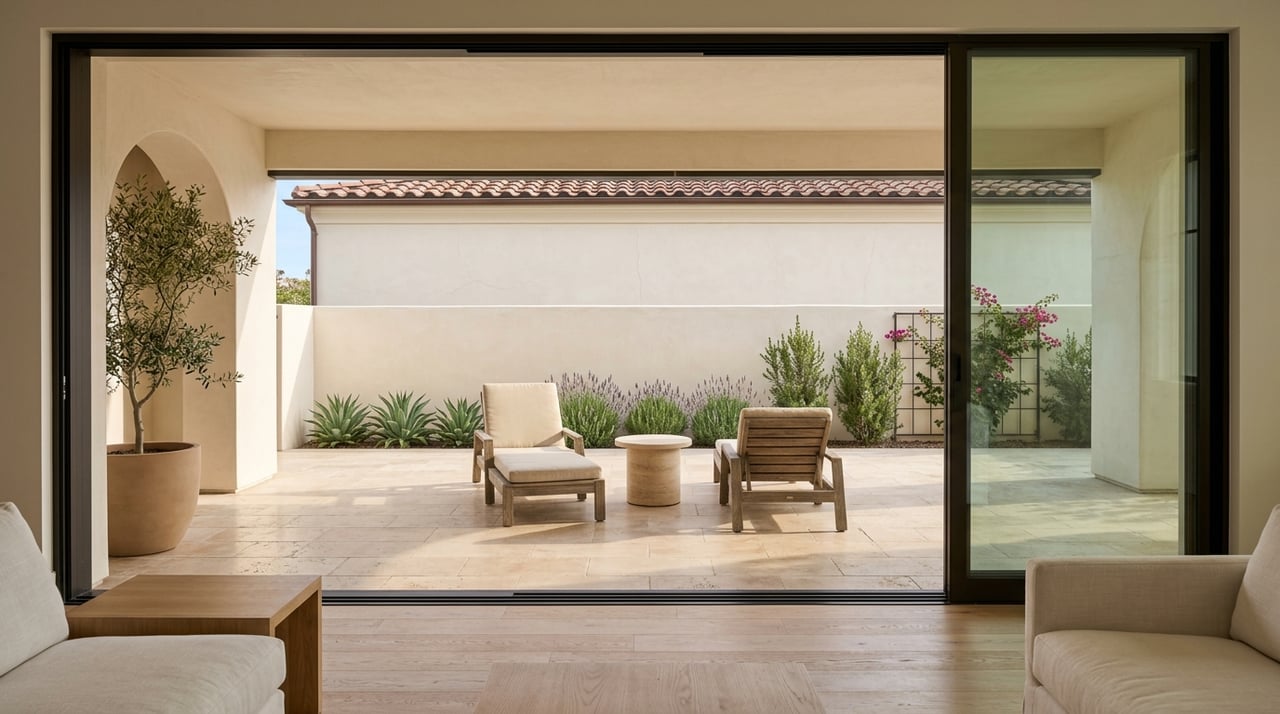
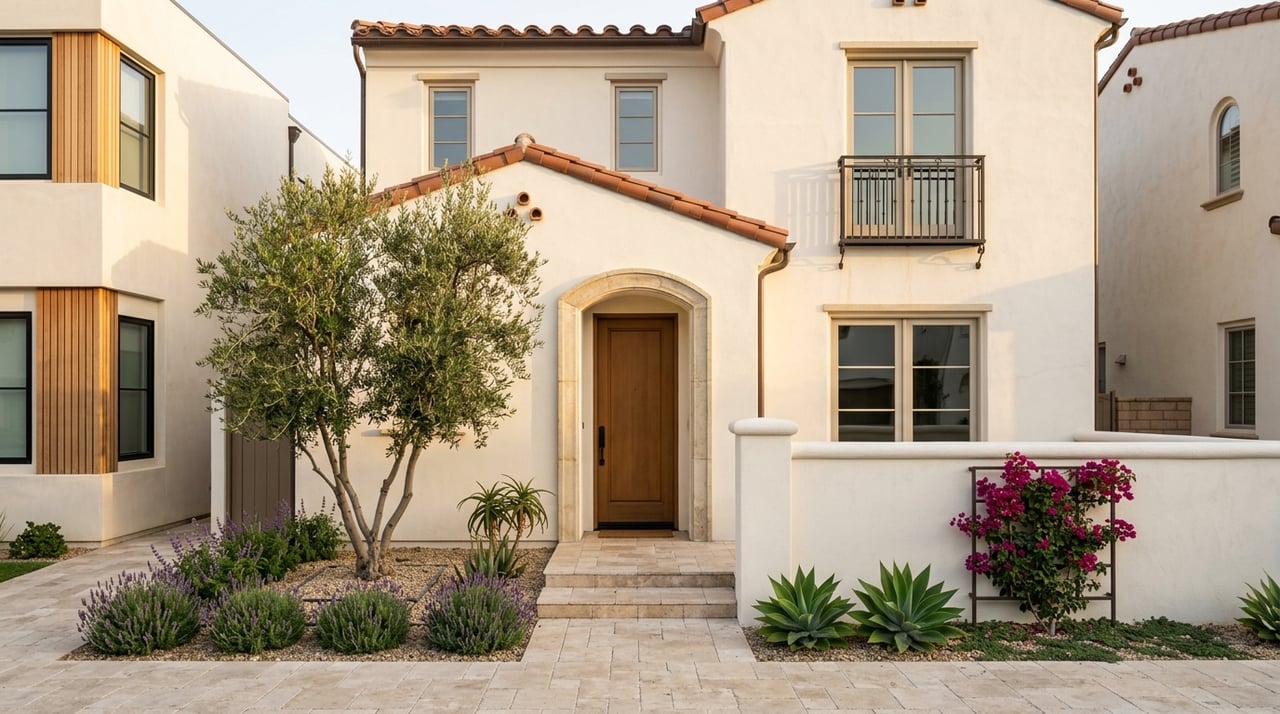
Palos Verdes Estates has a strong visual identity, and much of that comes from its architectural continuity. The city notes that the first Spanish-style homes in what is now Palos Verdes Estates began construction in the early 1920s.
Today, public-facing buildings and many homes still reflect the design language established early on. Red roofs, winding roadways, and green planting are part of the city’s own description of its original plan, and those elements remain central to how the community presents itself.
For anyone thinking about buying or remodeling here, design oversight is also part of the picture. The Palos Verdes Homes Association states that its Art Jury reviews the external aesthetic appearance of structures and properties for new construction and remodels, and that no structure can be built or altered without Art Jury approval.
That review process matters because the city is already nearly built out. In practical terms, visible change is more likely to come through carefully reviewed remodels and additions than through large redevelopment projects.
Open Space Is Part of Daily Life
In many communities, parks and green space feel like added amenities. In Palos Verdes Estates, they are part of the city’s structure.
The housing element states that the city contains about 849 acres of open space, including the 130-acre shoreline preserve, park sites, greenbelt pathways, a golf course, and play areas. The Parklands Committee also notes that about 28% of the city is dedicated open space.
That helps explain why even a simple walk here can feel scenic and calm. Preserved green areas, landscaped rights-of-way, and broad view corridors are not occasional features. They are part of the everyday setting.
Parks and Passive Recreation
Palos Verdes Estates says it does not have a recreation department or formal programs, and its recreation is largely self-directed. The city lists passive parks such as Memorial Garden, Farnham Martin Park, Civic Center Park, and Lunada Bay Plaza.
That detail is useful because it sets the right expectation. The lifestyle here leans toward walks, views, open-air time, and independent use of the landscape rather than city-run activity programming.
The Shoreline Feels Different Here
If you picture a classic Southern California beach town, Palos Verdes Estates may surprise you. The shoreline experience here is less about sandy beach culture and more about rocky coast, bluff-top views, and protected open space.
The city states that there are no private or quasi-private beach areas and that all coastal parklands are open to all. It also describes the Palos Verdes Estates Shoreline Preserve as a city-owned rocky beach and bluff-top park between Lunada Bay and Bluff Cove.
Beach access is available from the 300 block of Paseo Del Mar, but the city notes that it is walking only and that the incline on the paved access road is extremely steep. For many visitors and residents, the shoreline is best understood as a scenic natural edge rather than a casual, drop-your-chair-in-the-sand destination.
Clubs and Coastal Amenities
Although the city is primarily residential, a few destination-style amenities add to the lifestyle. The Palos Verdes Golf Club, built in 1924 and overlooking the ocean, includes a restaurant that is open to the public.
The Palos Verdes Beach & Athletic Club offers day passes to non-member residents, and the Palos Verdes Stables are available to residents and non-residents by written request. Together, these places show how Palos Verdes Estates blends quiet residential living with a few distinctive recreational venues.
For buyers, that can be part of the appeal. You have access to scenic and historic amenities without the city feeling overbuilt or crowded with commercial uses.
What This Means for Buyers and Sellers
A neighborhood walk through Palos Verdes Estates reveals more than pretty streets. It shows you how the city’s planning, architecture, and open space shape real estate value and buyer perception.
For buyers, understanding the city’s layout can help you decide what kind of setting fits your priorities. Some homes may feel closer to historic landmarks and compact commercial areas like Malaga Cove or Lunada Bay, while others may emphasize interior residential calm, green corridors, or proximity to bluff-top and shoreline spaces.
For sellers, these same qualities can become part of a strong marketing story. Buyers are often responding not just to square footage or finishes, but also to the city’s preserved character, architectural continuity, and coastal landscape.
Because Palos Verdes Estates is nearly fully developed and highly defined in character, local knowledge matters. The details that shape a home’s appeal here are often tied to block-by-block setting, nearby landmarks, view orientation, access to pathways, and how a property fits into the broader feel of the neighborhood.
If you are thinking about buying or selling in Palos Verdes Estates, working with someone who understands those nuances can make a meaningful difference. For personalized guidance, local market insight, or a complimentary home valuation, connect with Gayle Probst.
FAQs
What is the overall feel of Palos Verdes Estates?
- Palos Verdes Estates is a planned coastal residential community with winding roads, preserved open space, strong architectural continuity, and two small commercial areas centered on Malaga Cove and Lunada Bay.
What are the main walkable areas in Palos Verdes Estates?
- The city’s main walkable nodes are Malaga Cove and Lunada Bay, with additional pedestrian pathways along parts of Palos Verdes Drive North and Palos Verdes Drive West.
What is Malaga Cove known for in Palos Verdes Estates?
- Malaga Cove is known for its historic character, Mediterranean Revival architecture, local businesses, Malaga Cove Library, La Venta Inn, and its role as one of the city’s easiest areas for a short walking visit.
How much open space is in Palos Verdes Estates?
- City documents state that Palos Verdes Estates has about 849 acres of open space, and about 28% of the city is dedicated to permanent open space.
What is the shoreline like in Palos Verdes Estates?
- The shoreline is defined by rocky coast, bluff-top parkland, and scenic views, with the Palos Verdes Estates Shoreline Preserve stretching between Lunada Bay and Bluff Cove.
Are there design review rules for homes in Palos Verdes Estates?
- Yes. The Palos Verdes Homes Association states that its Art Jury reviews the external aesthetic appearance of structures and properties for new construction and remodels, and approval is required before a structure can be built or altered.