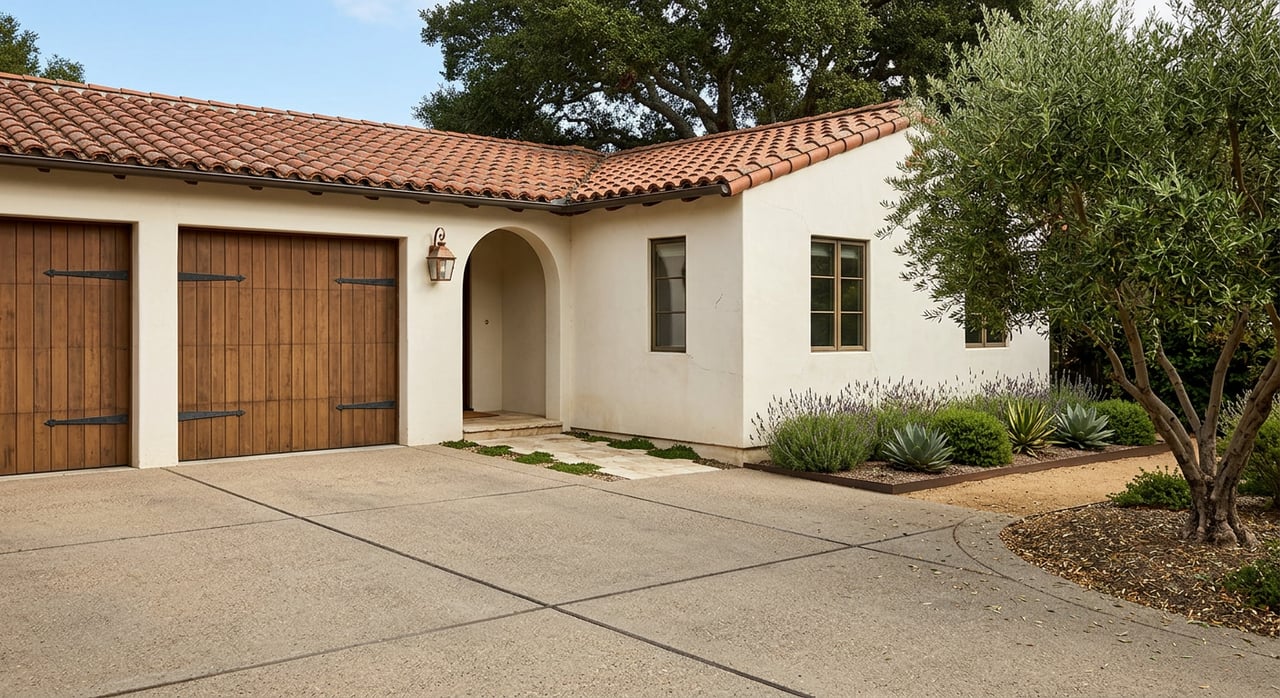
Should you pay more for a move-in-ready home or take on a project with upside? In Rolling Hills Estates, that choice looks a little different than it does elsewhere in Los Angeles. With older housing stock on large hillside lots and unique permit and geology factors, the right answer depends on your timeline, budget, and risk tolerance. In this guide, you will learn how local conditions affect costs, financing, timelines, and long-term value so you can choose with confidence. Let’s dive in.
Rolling Hills Estates at a glance
Rolling Hills Estates is a low-inventory, high-value market on the Palos Verdes Peninsula. Many homes were built in the 1950s–1970s, so systems and layouts often need updating. Large lots and an equestrian-friendly setting shape what is possible on site and can add scope to even simple projects. Market medians vary widely across data providers, so use neighborhood-level comps for decisions rather than a single citywide number.
What turnkey delivers here
If you want certainty and speed, turnkey is compelling in this market. You get immediate occupancy, straightforward conventional financing, and an easier appraisal. You also reduce near-term maintenance risk, which matters with mid-century homes. At resale, move-in-ready condition typically attracts a wider buyer pool.
Pros of turnkey:
- Faster move and simpler logistics for school-year timing.
- Lower renovation risk and fewer unknowns on hillside lots.
- Easier financing and insurance underwriting.
What a fixer can offer
A fixer can trade purchase price for potential equity and customization. Targeted improvements to kitchens, baths, curb appeal, and key systems can add meaningful value over time. On larger lots, you may explore additions or site improvements if allowed.
In Rolling Hills Estates, weigh that upside against site realities. Portions of the city have mapped seismic and landslide hazards, and recent land movement has underscored the need for careful due diligence. Review the city’s geology and hazard information and plan for added engineering where needed. You can start with the city’s general plan geology materials and confirm current requirements with Building and Safety.
Renovation costs and ROI in the LA market
In the Los Angeles area, full-house remodels and structural work span a wide range, often around $150 to $500+ per square foot depending on scope and finishes. On hillside lots, costs can rise with grading, retaining walls, and soils engineering. To gauge resale impact, reference the Los Angeles entries in Remodeling Magazine’s Cost vs Value report. Historically, minor kitchen updates and select exterior projects tend to recoup a larger share of cost at resale, while major structural expansions carry more risk.
Local cost drivers to budget for:
- Slope and drainage corrections, plus potential retaining structures.
- Geotechnical reports and structural engineering for additions or foundation work.
- System upgrades common in mid-century homes, such as roof, electrical, and plumbing.
- Possible septic system upgrades or sewer connections, if applicable.
Timelines you can expect
Every contractor and project is different, but these ranges are common:
- Cosmetic refresh (paint, flooring, fixtures): 2 to 8 weeks.
- Single bathroom refresh: 3 to 6 weeks.
- Midrange kitchen remodel: 6 to 12 weeks.
- Major kitchen or structural rework: 3 to 6 months or longer.
- Whole-house gut or substantial foundation/retaining work: 6 to 12+ months.
Plan-check times can extend for projects in mapped landslide or seismic areas. If your scope touches the footprint, drainage, or grading, build in additional weeks or months for reports and review. For current process details, consult City Building and Safety.
Permits, geology, and septic 101
Hillside settings and known hazard zones make due diligence essential. For projects that change a home’s structure, foundation, or site drainage, a geotechnical report is commonly required. The city may request additional studies depending on location and scope. Start with the city’s geology and hazard documents to understand mapped conditions around a property.
Parts of the Palos Verdes Peninsula use onsite wastewater systems instead of sewer. If a parcel is on septic, adding bedrooms, building an ADU, or expanding the footprint may trigger system upgrades. The city’s hazard mitigation materials note wastewater considerations. Review them and verify the parcel’s utility status early using the city’s hazard mitigation resources, then confirm current requirements with the city directly.
Financing options for fixers
You can combine purchase and renovation funds into a single mortgage. Three common products are:
- FHA Section 203(k): An insured loan that wraps purchase and rehab together. It comes in Limited and Standard versions, requires permits for work, and follows defined procedures. Review the FHA 203(k) consumer overview for details.
- Fannie Mae HomeStyle Renovation: A conventional mortgage that uses an as-completed appraisal to size the loan to post-renovation value. Learn more on Fannie Mae’s HomeStyle page.
- Freddie Mac CHOICERenovation: A conventional option similar in concept to HomeStyle that funds renovation through draws tied to milestones. See Freddie Mac’s CHOICERenovation resources.
Lenders often require a detailed scope, licensed contractors, and inspections before releasing draws. Not all lenders offer these products, and underwriting overlays vary, so pre-qualify with a lender experienced in renovation mortgages. Properties with severe structural defects may not qualify for conventional financing until core issues are resolved, which is why some fixers draw cash or investor offers.
Taxes and insurance to budget for
After you buy or complete permitted work that counts as new construction, Los Angeles County may issue a supplemental property tax bill. Plan for this possible reassessment of the new construction component. For how supplemental bills work, review the county’s property tax FAQ.
Standard homeowners insurance often excludes earthquake and most land-movement events. On hillside properties, many buyers consider separate earthquake coverage and obtain quotes before removing contingencies. Always confirm availability and cost for a specific home during due diligence.
ADUs and lot potential
Large lots can make ADUs appealing for flexible space or long-term value. Feasibility depends on setbacks, slope, utilities, and any HOA or CC&R rules. Use the county’s ADU resources for baseline standards, then verify with the city for parcel-specific constraints. On septic parcels, ADU approvals may require system upgrades.
A simple decision framework
Use this checklist to compare fixer and turnkey options for a specific Rolling Hills Estates property.
1) Clarify goals and timing
- If you need a quick move-in and predictability, prioritize turnkey. If you have runway and want customization, a fixer may fit.
2) Do early fact-finding
- Confirm sewer vs septic and request any available records.
- Check for mapped landslide or seismic hazards using the city’s geology and hazard references. If flagged, discuss a geotechnical pre-offer with your advisor.
- Ask Building and Safety if special plans or moratoria affect the parcel.
- Review any CC&Rs or HOA rules that may shape exterior changes or horsekeeping.
3) Test financing and appraisal feasibility
- Pre-qualify with a lender that offers 203(k), HomeStyle, or CHOICERenovation. Confirm property condition requirements and timelines.
- For homes with major structural issues, prepare for cash or specialized financing until repairs are complete.
4) Build a realistic budget and schedule
- Get ballpark estimates from local contractors for foundation, drainage, septic, roof, electrical, and plumbing.
- Add a 15 to 25 percent contingency for hillside conditions and hidden items.
- Use Cost vs Value for Los Angeles to prioritize projects with stronger resale recoup.
5) Account for insurance and taxes
- Obtain homeowners and optional earthquake insurance quotes before you commit.
- Budget for a potential supplemental property tax bill after purchase or permitted work.
6) Validate the exit or resale case
- Use local comps that match renovated condition and lot characteristics instead of broad medians.
- If using a renovation mortgage, confirm the as-completed appraisal supports your plan.
Quick comparison: Which fits you?
Choose turnkey if you want speed, predictability, and lower risk on a hillside property. The premium you pay can be offset by reduced carrying costs, simpler lending, and stronger resale appeal. Families with school-year deadlines often lean this way.
Choose a fixer if you have time, access to skilled contractors, and a clear scope with limited geotechnical or septic risk. Focus on projects that local data shows buyers value most. Run the numbers with conservative assumptions, including added soft costs for permit reviews and engineering.
Work with a local advisor
Rolling Hills Estates rewards careful planning. Whether you choose turnkey or a fixer, you will make better decisions with a trusted guide who knows the terrain, the permit paths, and the comps street by street. If you want a clear, tailored plan for your next move on the Peninsula, connect with Gayle Probst for a complimentary consultation.
FAQs
What should I check first on a fixer-upper in Rolling Hills Estates?
- Start by verifying sewer vs septic, reviewing mapped geology or landslide hazards, and asking the city about any special permit constraints for the parcel.
How long do permits take in Rolling Hills Estates for additions?
- Timelines vary by scope, but additions on sloped lots often require geotechnical reports and extra reviews, so build in added weeks or months beyond standard plan check.
Which renovations typically add the most resale value in Los Angeles?
- Regional data shows minor kitchen updates and some exterior projects often recoup a higher share of costs, while major structural expansions carry more risk.
Can I finance both purchase and remodel with one loan here?
- Yes, options like FHA 203(k), Fannie Mae HomeStyle, and Freddie Mac CHOICERenovation can bundle purchase and renovation with an as-completed appraisal.
Are ADUs feasible on larger Rolling Hills Estates lots?
- Often yes, but feasibility depends on slope, setbacks, and utilities, and parcels on septic may require upgrades; confirm standards with county and city resources.
Will a big remodel change my property taxes in Los Angeles County?
- Permitted work that counts as new construction can trigger a supplemental property tax bill, so budget for potential reassessment of that component.