On a recent Friday afternoon, the folding tables outside Malaga Cove Library were busy with book-sale visitors. Residents flipped through boxes of paperbacks and record albums, someone loaded a stack of large-print mysteries into a canvas bag, and a volunteer restocked a shelf of donated CDs before the crowd thinned out. Malaga Cove Plaza is just across the courtyard.
Most people who live in Palos Verdes Estates think of Malaga Cove Plaza as the neighborhood's gathering spot, and it earns that reputation. The building tucked just off Via Campesina, the one with the red tile roof and the quiet garden, has a working calendar of recurring programs throughout the month.
A Building Older Than Almost Everything Around It
Malaga Cove Library opened as the Palos Verdes Public Library & Art Gallery on June 3, 1930. It was designed by Myron Hunt, an architect who lived in the community he was building for, and the surrounding grounds were laid out the same year by landscape architect Frederick Law Olmsted Jr., whose family firm shaped some of the country's most recognizable public spaces.
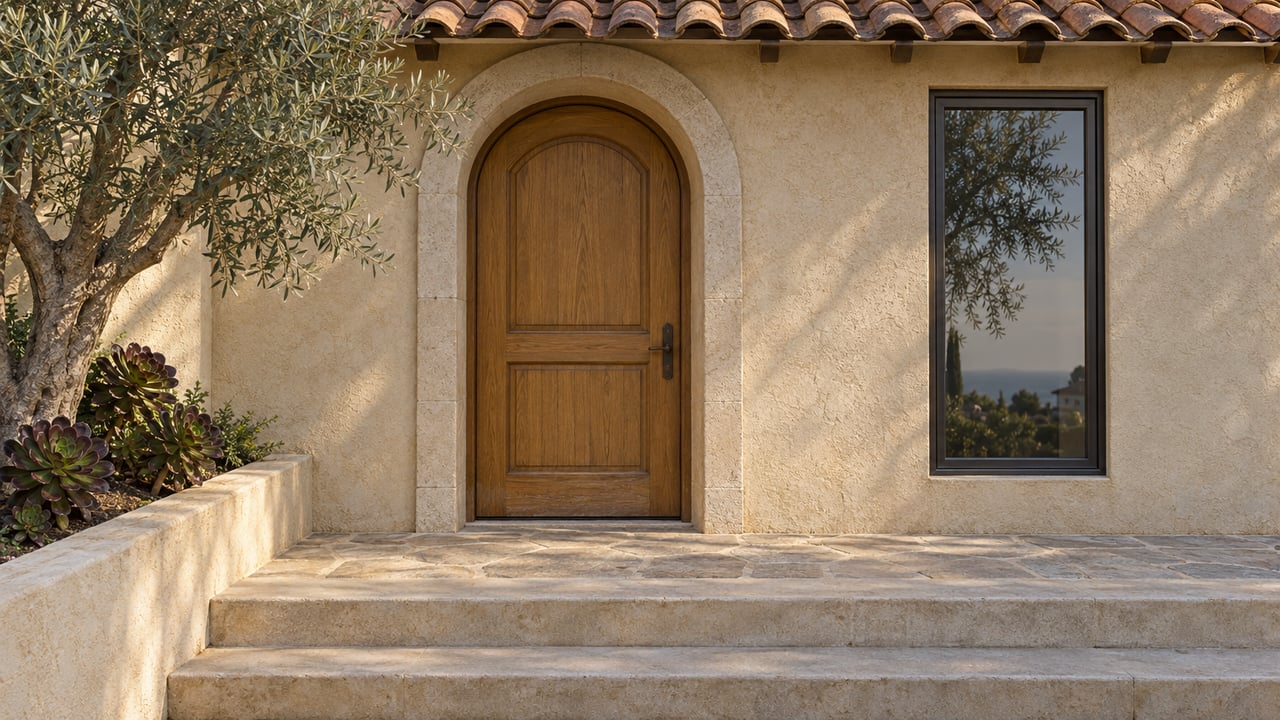
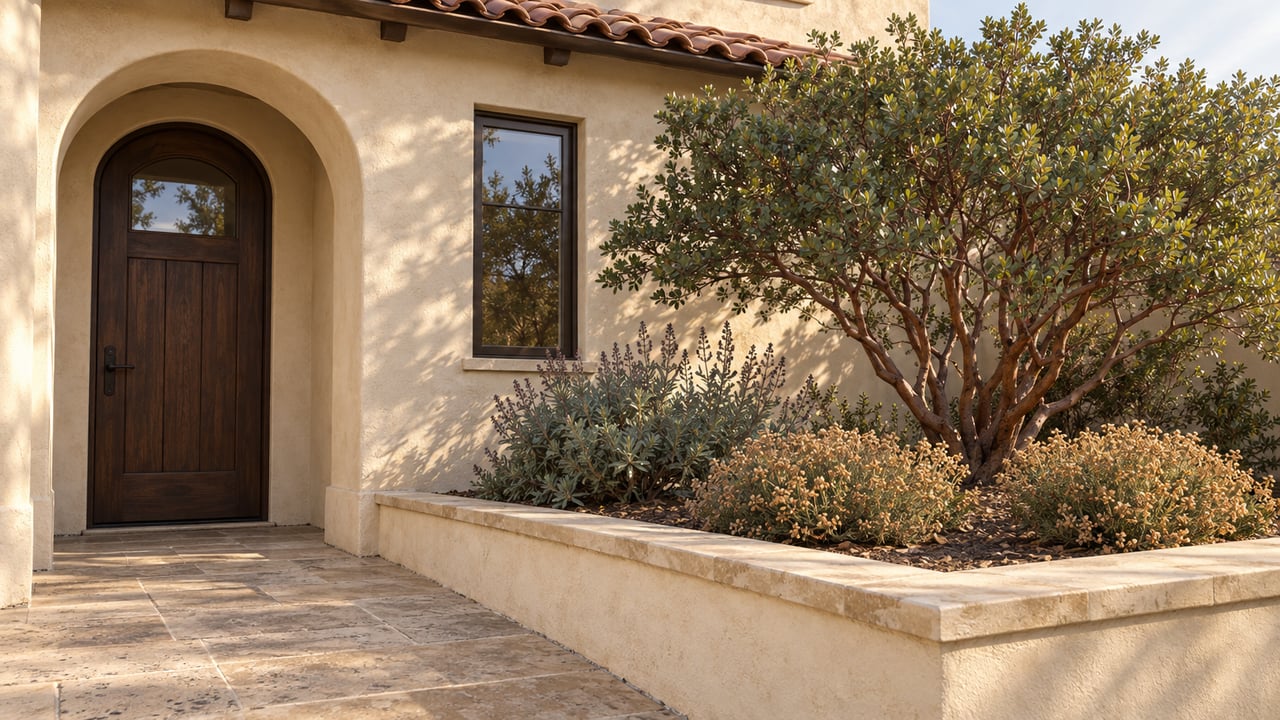
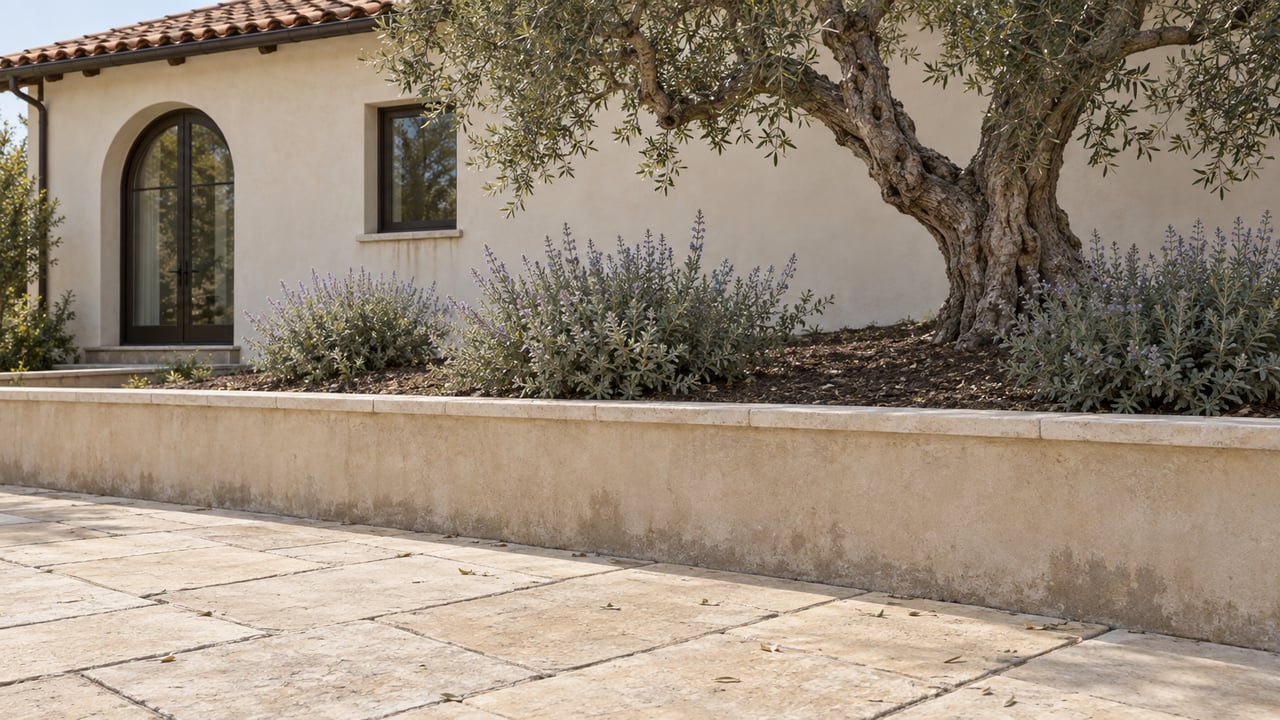
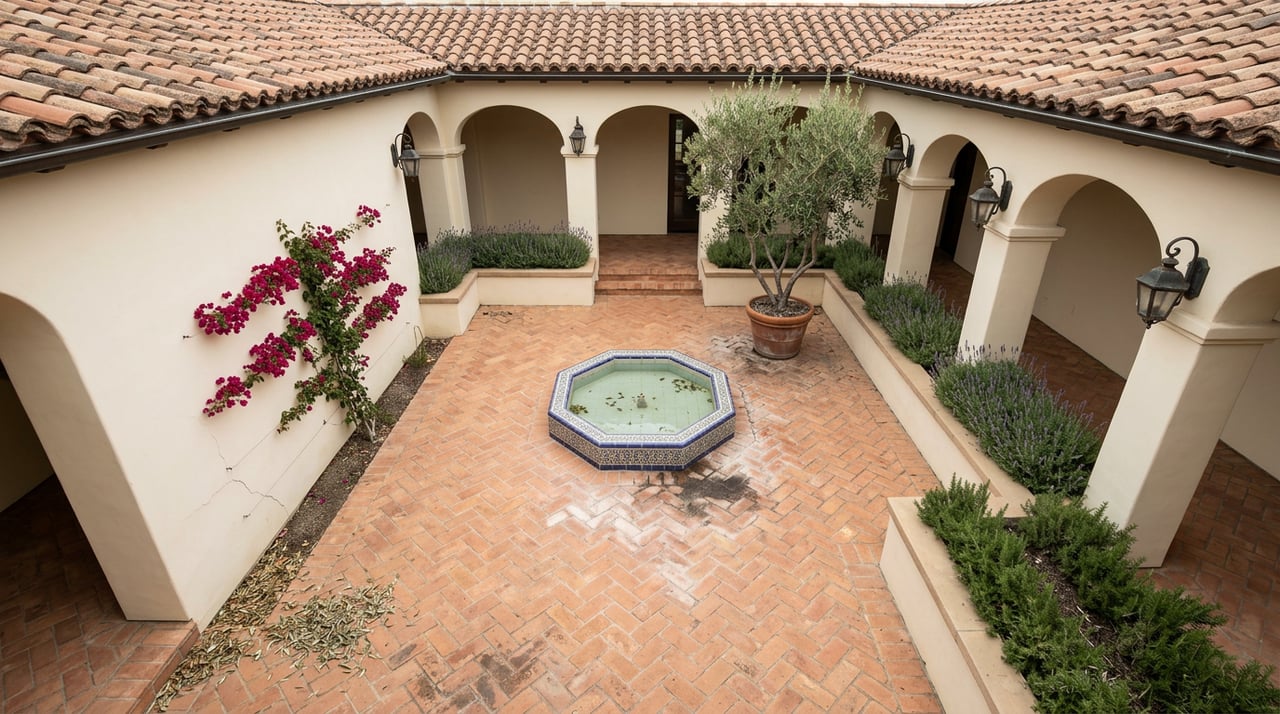
The building itself is a five-level, roughly 16,550-square-foot structure built from hollow-cast, double-walled reinforced concrete finished in stucco, with a mission tile roof that matches the Mediterranean Revival architecture found throughout the rest of Malaga Cove. It has changed only twice in nearly a century. An addition went up on the south side in 1962, and the east-side stone patio was remodeled in 1997 to improve accessibility. That is the entire renovation history of a building that predates most of the homes surrounding it.
The Calendar Nobody Circles, But Everybody Uses
What makes the library worth paying attention to isn't the architecture. It is the fact that this small branch runs on a fixed, repeatable schedule that a resident could build an entire month around without ever checking a website twice.
| Program | Frequency | What Happens |
|---|---|---|
| Malaga Cove Book Sale | Third Friday and Saturday, 10 a.m. to 4:30 p.m. | More than 25,000 books, large-print titles, music CDs, records, and puzzles, with new donations arriving daily |
| Book Club | First Saturday, 2 p.m. | A single book read and discussed as a group, open to anyone regardless of when they join |
| Storytime | Regularly scheduled | Librarians and puppets lead stories, songs, and dancing for kids ages two to four |
| Peninsula Origami Group | Third Saturday, 12 to 3 p.m. | A standing meetup for anyone interested in the craft, no registration required |
None of this requires an RSVP. None of it is seasonal or one-off. It repeats, month after month, which is precisely why it tends to go unnoticed by people who assume a library's only job is quiet reading rooms.
Where the Books Keep Coming From
The book sale is the clearest evidence that this branch operates differently than a typical neighborhood library. Once a month, on the third Friday and Saturday, the same folding tables fill with more than 25,000 items, and new stock arrives daily between sales. That volume does not happen by accident. For more than 50 years, these sales have funded specific, named parts of the library's operation: Sunday hours, children's reading programs, the Teen Annex, and the expansion of the local history collection.
The volume of donations has actually become its own small problem. As of this year, the Peninsula Library Friends Foundation updated its donation policy so that drop-offs are now accepted only on the second Saturday of the month, a change made specifically to manage the overwhelming amount of material coming in and to address safety concerns tied to that volume. That is not the kind of adjustment an underused program needs to make.
The foundation behind all of this was established in 1961 and now channels close to $300,000 a year into the Palos Verdes Library District, funding all three branches, Malaga Cove, Miraleste, and Peninsula Center. The district itself is governed by a five-member elected Board of Trustees who serve without pay, which means the entire operation, from the Friday sale tables to the Sunday hours they fund, is running on a mix of volunteer labor and community reinvestment rather than a large administrative budget.
The Library Also Grows Vegetables
Here is the detail that surprises even longtime residents. During a recent summer giveaway, the library gave away fresh romaine lettuce, green star lettuce, and basil, all grown on-site using a hydroponic farm machine housed inside the building. Anyone could stop in during business hours, bring their own bag, and take home what was available while supplies lasted.
It is a small program, but it says something about how this branch sees its role. A library that is willing to grow food for its neighbors, and to give it away with no strings attached, is not treating itself as a quiet room full of shelves. It is treating itself as infrastructure for daily life, in the same category as a farmers market or a corner grocery.
The Clubs That Don't Need an RSVP
The origami group and the book club share a quality that makes them easy to underestimate: they ask nothing of you before you show up. No membership fee, no sign-up sheet, no minimum commitment. The book club reads one title a month and welcomes newcomers whenever they arrive, whether that is their first meeting or their fiftieth. The origami group meets on a fixed third Saturday, rain or shine, whether three people show up or thirty.
Those gatherings are part of the library's wider Saturday calendar.
Planning a Month of Saturdays in PVE
If you wanted to map out the library's regular Saturday offerings across a month, they would look something like this:
- Morning: drop off a bag at the second-Saturday donation window if you have books, CDs, or records to clear out
- Midday: catch the first-Saturday book club discussion if the timing lines up, or check what the current title is for next month
- Afternoon: browse the third-Saturday book sale tables, or sit in on the origami group if that Saturday happens to be the third one
None of this requires planning ahead more than a glance at a monthly calendar. Malaga Cove Library offers books, produce, and a standing invitation to show up without an appointment.
Its programs are one part of the broader life of Palos Verdes Estates.
If you are curious about what else makes this stretch of the Peninsula work the way it does, from the school district boundaries to the quieter streets tucked behind Malaga Cove, Gayle Probst has spent years getting to know this community from the inside. Reach out anytime for a complimentary market consultation or a free home valuation, no obligation, just a conversation with someone who knows this Peninsula well.