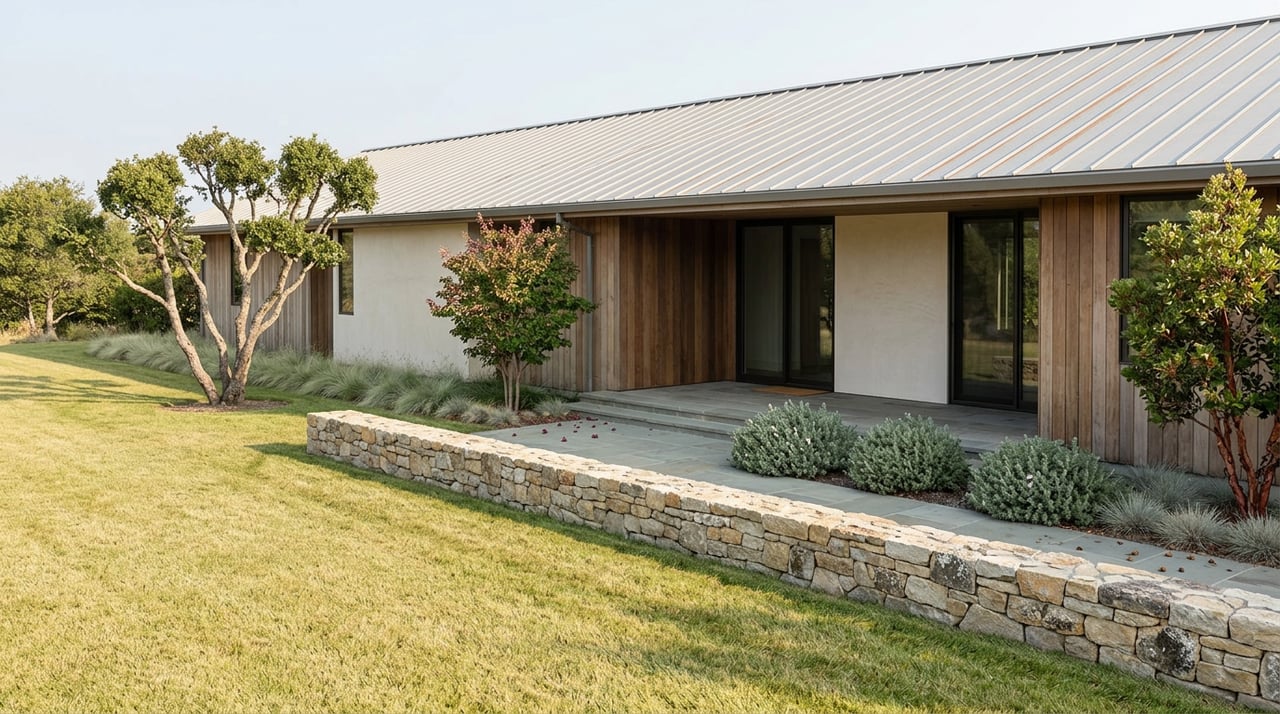
If your Palos Verdes home feels bigger than your daily needs, you are not alone. Many Peninsula homeowners reach a point where stairs, yard work, and ongoing upkeep start to matter more than extra square footage. Downsizing to a Beach Cities condo can simplify life, unlock equity, and put you closer to coastal amenities, but the numbers and timing deserve careful planning. Let’s dive in.
Why downsizing can make sense
A move from a Palos Verdes house to a condo in the Beach Cities is often about more than moving into a smaller space. It can be a shift from maintaining a private lot to enjoying a lock-and-leave lifestyle near the coast. Depending on where you buy, it may also change your monthly costs and how much equity you keep available for retirement, travel, or other goals.
That said, this is not a one-size-fits-all move. According to Realtor.com market data for the Palos Verdes Peninsula, the median home sale price was $2,669,950 in December 2025. In nearby Beach Cities snapshots, Redondo Beach was about $1.60 million, Hermosa Beach about $2.55 million, and Manhattan Beach about $4.25 million, which means a condo move may create substantial savings in one area and only a modest price difference in another.
Compare Palos Verdes and Beach Cities pricing
Before you sell, it helps to compare your likely sale price with realistic condo options in your preferred coastal area. If your goal is to reduce both space and total housing cost, Redondo Beach may offer a different equation than Hermosa Beach or Manhattan Beach. The right target depends on whether your priority is maximizing equity release, staying close to the water, or keeping monthly ownership costs predictable.
In addition, market pace varies by city. Realtor.com reports median days on market of 37 in Manhattan Beach, 44 in Hermosa Beach, 65 in Redondo Beach, 86 on the Palos Verdes Peninsula, and 46 in Palos Verdes Estates. That gap matters because your current home and your next condo may not move on the same timeline.
Think beyond the purchase price
A condo’s list price is only part of the story. The California Department of Real Estate homebuyer guidance notes that buyers typically need a 5% to 20% down payment plus about 3% to 7% of the purchase price for closing costs. The same guidance also reminds buyers to account for special taxes, assessments, and HOA dues.
For downsizers, the monthly budget often matters more than the headline price. A lower purchase price may still come with meaningful HOA dues, insurance needs, and property taxes. If your current home is largely paid off, you will want to compare your full monthly carrying cost, not just your estimated mortgage payment.
Understand HOA dues and what they cover
One of the biggest lifestyle changes in a condo is trading direct maintenance for shared ownership costs. In recent Beach Cities condo examples from Zillow, HOA dues ranged from about $300 per month for a Manhattan Beach condo to $398 in one Redondo Beach listing, $710 at 615 Esplanade in Redondo Beach, and $1,265 for another oceanfront Redondo Beach condo. Those examples show how much monthly dues can vary based on location, building type, and amenities.
In many cases, those dues support features that can make condo living more appealing. Listings may highlight direct beach access, pools, spas, fitness centers, controlled-access garages, storage, and ocean views. If you are downsizing to simplify life, it is worth asking whether the amenities you will actually use justify the recurring cost.
Know how condo ownership differs
Condo ownership in California is part of a common-interest development structure. The California Department of Real Estate explains that when you buy a condominium, HOA membership is automatic, and the development is typically governed by CC&Rs, bylaws, and operating rules. Those documents may affect pet rules, parking, use of amenities, remodeling, and other everyday details.
This is an important shift if you are coming from a detached home on a private lot. Instead of handling decisions entirely on your own property, you are stepping into a shared governance model. For many downsizers, that feels like a welcome reduction in responsibility, but it is still something to review closely before you commit.
Review HOA finances carefully
The most important condo due diligence often has nothing to do with views or finishes. The DRE warns about underfunded HOAs because weak reserves can lead to deferred maintenance, large repair bills, and special assessments that may reach into the tens of thousands of dollars. A beautiful building can still be a risky purchase if the association has not planned properly for future expenses.
Before you buy, review the HOA budget, reserve information, and annual financial documents. You will also want to understand whether the building has upcoming repairs, how often dues have increased, and whether the association has a pattern of special assessments. This step can protect both your budget and your peace of mind.
Consider Proposition 19 tax benefits
For many longtime homeowners, property taxes are one of the biggest concerns in a downsizing move. Under California Proposition 19, qualifying homeowners who are at least 55, severely and permanently disabled, or victims of a wildfire or natural disaster may transfer their factored base-year value to a replacement principal residence anywhere in California. If the replacement home is of equal or lesser value, the transferred taxable value is not adjusted, and if it is more expensive, the excess value is added.
Prop 19 can be a major planning tool, especially for Palos Verdes owners who bought years ago and have a favorable tax basis. The purchase or new construction generally must occur within two years of the original sale, and the claim must be filed within three years of the replacement purchase or completion. The Board of Equalization also notes that this base-year transfer may be used up to three times by eligible homeowners.
Plan the timing early
A downsizing move has two separate clocks. One is your sale in Palos Verdes, and the other is your condo purchase in the Beach Cities. Since local markets move at different speeds, it is smart to prepare for some overlap rather than assume both escrows will line up perfectly.
Prop 19 adds another timing factor. The Board of Equalization explains that the replacement property can be bought before the original sale, or within the first or second year after the sale, with different equal-or-lesser-value thresholds of 100%, 105%, and 110% of the original home’s full cash value. If preserving tax advantages is part of your plan, it is wise to map out the sale and purchase strategy before your home goes live.
Expect insurance to change
Insurance also works differently in a condo than in a detached house. The California Department of Insurance says condo unit-owner policies generally cover personal property, loss of use, liability, and interior improvements, while the HOA typically insures the building structure and common areas. This split makes it important to understand exactly where the association’s policy ends and your personal policy begins.
The same department notes that standard condo, home, and renter policies do not cover earthquake damage. Insurers must offer earthquake coverage, and condo owners may also need loss-assessment coverage if the HOA assesses owners after a covered event. For coastal condo buyers, this is another key part of the monthly-cost conversation.
Focus on lifestyle tradeoffs
The best downsizing decisions balance finances with daily living. A Palos Verdes house may offer more interior space, private outdoor areas, and separation from neighbors. A Beach Cities condo may offer easier maintenance, walkability, shared amenities, and closer access to dining, parks, and the coast.
Realtor.com’s Manhattan Beach market overview describes the area as a coastal market with parks, dining, and a walkable downtown, while coastal access and amenities also influence value in Hermosa Beach. That is why this move is often less about “giving something up” and more about choosing a different type of convenience. The right answer depends on what you want your next chapter to look like.
A practical downsizing checklist
If you are considering a move from Palos Verdes to a Beach Cities condo, start with a clear framework:
- Estimate your current home’s likely sale price
- Compare condo options by city, price, and HOA dues
- Review your full monthly housing cost, not just purchase price
- Check whether you may qualify for Proposition 19
- Plan sale and purchase timing as separate transactions
- Review HOA documents, reserves, and financial statements
- Clarify insurance responsibilities between you and the HOA
- Prioritize the lifestyle features that matter most to you
A well-planned downsizing move can reduce upkeep, protect flexibility, and help you stay connected to the coastal lifestyle you enjoy. If you want experienced local guidance on selling in Palos Verdes and evaluating Beach Cities options, connect with Gayle Probst to schedule a complimentary market consultation or request a free home valuation.
FAQs
What does downsizing from Palos Verdes to a Beach Cities condo really mean financially?
- It depends on where you buy. Palos Verdes Peninsula had a median home sale price of $2,669,950, while recent market snapshots showed Redondo Beach around $1.60 million, Hermosa Beach around $2.55 million, and Manhattan Beach around $4.25 million, so your equity outcome can vary widely by city.
How does Proposition 19 work for Palos Verdes homeowners who downsize?
- Qualifying homeowners may transfer their factored base-year property tax value to a replacement principal residence anywhere in California, subject to timing and value rules set by Proposition 19.
What should Palos Verdes downsizers review in a Beach Cities HOA?
- You should review the HOA’s CC&Rs, bylaws, rules, current budget, reserve information, and annual financial documents so you understand both lifestyle restrictions and financial risk.
Are HOA dues in Beach Cities condos always low compared with maintaining a house?
- No. Recent examples showed monthly HOA dues ranging from about $300 to $1,265, so condo ownership may reduce direct maintenance but still carry significant recurring costs.
How is condo insurance different from insurance on a Palos Verdes house?
- A condo unit-owner policy generally covers personal property, liability, loss of use, and interior improvements, while the HOA typically insures the building structure and common areas.
Should you try to close your Palos Verdes sale and Beach Cities condo purchase on the same day?
- Usually, it is better to plan them as separate timelines because market pace differs by area, and tax-planning rules such as Proposition 19 can also affect the best sequence.