If you are shopping for a home in Rancho Palos Verdes, an HOA can be either a helpful structure or a surprise source of rules and costs. Many buyers like the idea of shared maintenance and organized common areas, but it is just as important to understand what you are agreeing to before you close. The good news is that with the right review, you can spot the key issues early and buy with more confidence. Let’s dive in.
HOA basics in Rancho Palos Verdes
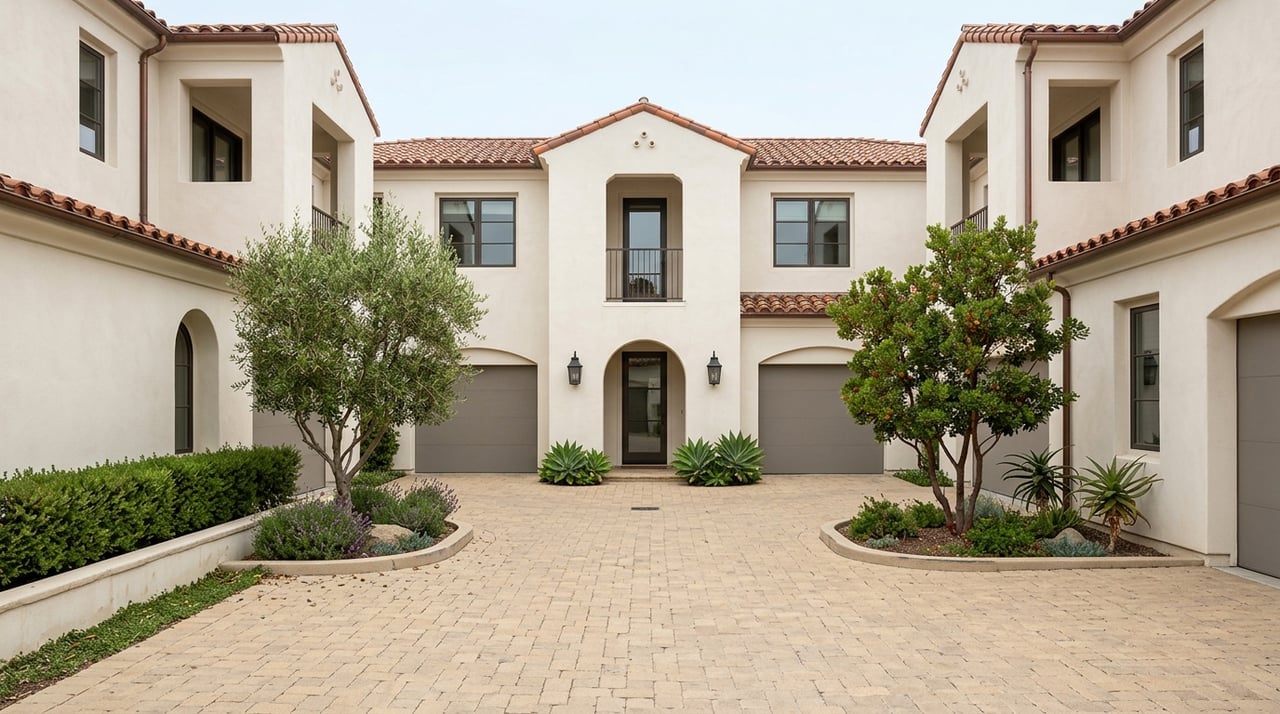
In Rancho Palos Verdes, you may come across common-interest developments that include condos, townhomes, and planned communities. In California, when you buy a property in one of these communities, HOA membership is generally automatic. The association is a private organization that makes and enforces community rules, collects assessments, and is usually run by an elected board of directors, according to the California Department of Real Estate.
Some larger communities can also have more than one association, including a sub-association and a master association. That matters because you may have more than one set of fees, rules, or responsibilities to review. If you are comparing properties, this is one of the first details to clarify.
How HOA ownership works
When you buy into an HOA community, you are not just buying the home itself. You are also agreeing to a set of governing documents that shape how the community operates and what owners can and cannot do.
Key HOA documents to review
The most important documents are the CC&Rs, bylaws, and rules. The CC&Rs run with the land and explain the rights and obligations of both the owners and the association.
These documents may cover things like:
- Architectural review requirements
- Insurance responsibilities
- Repair obligations for shared components
- Use of common areas
- Owner responsibilities versus HOA responsibilities
In many communities, the HOA handles common-area obligations while you are typically responsible for the interior of the home. The exact split depends on the governing documents, so it is important to read them carefully instead of assuming coverage.
What the HOA board does
The board of directors manages the association’s affairs. That can include collecting assessments, paying bills, maintaining common areas, and enforcing rules. Some associations hire a management company for day-to-day operations, but the board still remains responsible for how the HOA is run.
For you as a buyer, this means the quality of the HOA often depends on both the documents and the leadership. A well-managed association can support long-term upkeep, while a poorly managed one can create frustration and unexpected expense.
What HOA rules may affect
HOA rules often go beyond broad legal documents and address day-to-day living. Depending on the community, the rules may set clubhouse hours, design-review procedures, or limits on how owners can alter or improve their property.
Some associations also place restrictions on rentals or require leases to acknowledge HOA rules. In addition, associations may fine owners for violations or limit access to common-area amenities. Before you move forward, make sure the rules fit how you plan to use the property.
What HOA dues usually cover
A monthly HOA fee is only part of the picture. To understand the real cost of ownership, you will want to know what those dues cover and whether the association appears financially prepared for future needs.
Typical items in HOA budgets
According to the Residential Subdivision Buyer’s Guide, HOA budgets commonly include:
- Insurance
- Filing fees
- Utilities for shared areas
- Maintenance and repairs
- Administrative costs
- Contingency funds
- Reserve funding for major replacements like roofing or paving
These costs are spread among owners through regular assessments. In a well-run community, reserve funds are especially important because they help pay for major future repairs without creating a sudden financial burden.
Why reserves matter
If regular dues are not enough, the board can impose a special assessment for major repairs or unexpected expenses. That is why the California Department of Real Estate points to reserve disclosures as an important way to judge the long-term financial health of an HOA.
As a buyer, you should look beyond the monthly dues and ask whether the reserves appear strong, whether deferred maintenance is noted, and whether a special assessment seems likely. A lower fee is not always the better value if the association is underfunded.
Rancho Palos Verdes factors to keep in mind
Rancho Palos Verdes has local conditions that make HOA review especially important. In some parts of the city, geologic and infrastructure issues can affect maintenance planning, insurance, and long-term costs.
Landslide and bluff stability issues
The city of Rancho Palos Verdes has documented landslide and bluff-stability concerns in certain areas. The city states that in the landslide area, new residential construction, including additions, is permanently prohibited effective September 18, 2025, while repairs and restoration within the existing footprint are still allowed.
That does not mean every HOA community in Rancho Palos Verdes is affected in the same way. It does mean you should pay close attention to location-specific disclosures, maintenance obligations, and any known infrastructure issues that may affect the property or association.
Why local coordination matters
The city’s RPV Landslide Complex Working Group includes HOA board members, utility representatives, and residents. This shows how some local communities may need to coordinate closely on safety, utilities, and shared planning.
If you are considering a hillside or coastal property, it is wise to review the HOA materials with a careful eye. In these settings, the condition of reserves, insurance summaries, and maintenance planning can carry extra weight.
What to review before buying
One of the best protections you have as a buyer is the disclosure package. California law requires sellers in resale HOA transactions to provide a detailed set of documents that can help you understand the community’s financial condition, rules, and known issues.
Required resale HOA disclosures
Under California Civil Code Section 4525, the seller must provide items that include:
- Governing documents
- The most recent annual budget and reserve materials
- Current assessment information
- Unresolved violation notices
- Notice of approved but not yet due assessment changes
- Rental restrictions, if any
- Recent board minutes, if requested
- The latest required inspection report, if applicable
This package can tell you a great deal about how the association operates and whether there are signs of financial or maintenance stress.
Important financial items to check
As you review the documents, pay special attention to the reserve summary, reserve funding plan, insurance summary, and any statements about deferred maintenance or expected special assessments. These are specifically included in the annual budget report requirements to help owners and buyers understand the HOA’s financial position.
If the property is in a condo project, the annual budget report also includes FHA and VA certification status. That can affect financing options for some buyers and may also matter later when you sell.
New construction communities
If you are buying in a new subdivision, the key disclosure document is the DRE public report. It must be provided before you become obligated to buy, and it covers HOA costs, assessments, CC&Rs, and other material disclosures.
This report can be especially useful if you want a clearer picture of how the new community is structured from the beginning. It is one more reason to slow down and review the paperwork with care.
Questions to ask about an HOA
When you compare HOA homes in Rancho Palos Verdes, a few practical questions can make your decision much easier:
- What exactly do the dues cover?
- How well funded are the reserves?
- Are there any pending or likely special assessments?
- What repairs or maintenance have been deferred?
- Are there rental restrictions?
- What approvals are needed for remodeling or exterior changes?
- Are there local hazard or infrastructure issues that could affect costs later?
These questions can help you move past surface-level impressions and focus on the true cost and flexibility of ownership.
HOA versus non-HOA homes
HOA living can work well if you value shared maintenance and a more coordinated community structure. It can also be a strong fit if you prefer clear standards for common areas and exterior upkeep.
At the same time, HOA ownership comes with ongoing dues, rules, and shared financial responsibility. If you are deciding between an HOA and a non-HOA home in Rancho Palos Verdes, the right choice often comes down to your budget, your lifestyle, and how much structure you want around property use and maintenance.
Final thoughts for Rancho Palos Verdes buyers
Buying in an HOA community in Rancho Palos Verdes is not necessarily more complicated, but it does require a more careful review of documents, finances, and local conditions. When you understand the rules, reserves, disclosures, and any location-specific issues, you are in a much better position to choose a home that fits both your plans and your comfort level.
If you want help comparing HOA and non-HOA options in Rancho Palos Verdes, Gayle Probst can help you evaluate the details, understand the paperwork, and make a more informed move.
FAQs
What is an HOA community in Rancho Palos Verdes?
- An HOA community in Rancho Palos Verdes is generally a common-interest development such as a condo, townhome, or planned community where owners automatically become members of the homeowners association when they buy.
What do HOA fees usually cover in Rancho Palos Verdes?
- HOA fees often cover shared expenses such as insurance, utilities for common areas, maintenance, administration, contingency funds, and reserves for major future repairs like roofing or paving.
What HOA documents should buyers review in Rancho Palos Verdes?
- Buyers should review the CC&Rs, bylaws, rules, annual budget, reserve materials, insurance summary, assessment information, and any notices about violations, deferred maintenance, or future assessment changes.
Can HOA rules limit rentals in Rancho Palos Verdes communities?
- Yes, some HOA communities may restrict rentals, limit the number of rented homes, or require lease language that acknowledges the association’s rules.
Why are reserve funds important in Rancho Palos Verdes HOA communities?
- Reserve funds help an HOA plan for major repairs and replacements over time, and stronger reserves may reduce the chance of large special assessments later.
Are there local issues that matter when buying in an Rancho Palos Verdes HOA?
- Yes, in some Rancho Palos Verdes areas, landslide and bluff-stability conditions can make it especially important to review disclosures, maintenance planning, insurance information, and HOA financial health carefully.