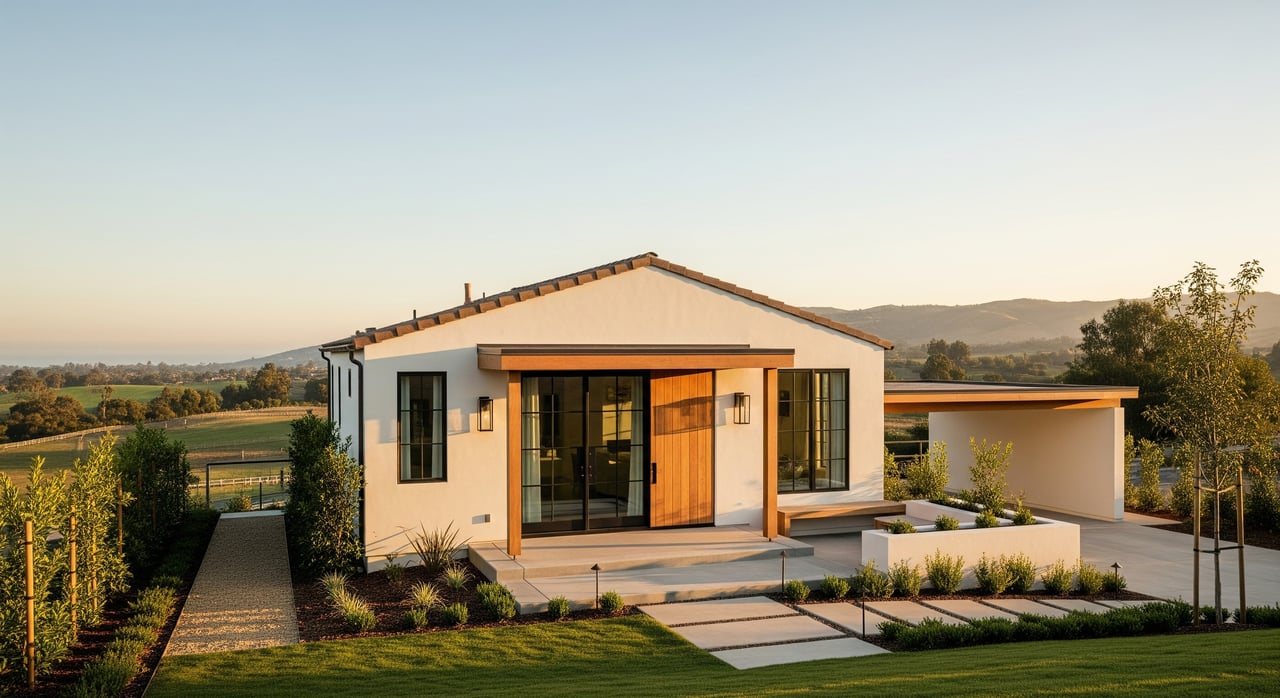
Thinking about adding an accessory dwelling unit to your Rolling Hills Estates property? An ADU can create flexible living space, generate rental income, and boost long-term value. You also face hillside lots, CC&Rs, fire-safety requirements, and a detailed permit path that is easy to underestimate. This guide gives you the ground rules, the local site realities to plan for, and a practical ROI framework so you can decide if an ADU makes sense for your property. Let’s dive in.
ADU types you can consider
Understanding ADU options helps you match the design to your site and goals.
- Detached ADU. A new, stand-alone structure located on the same lot as your primary home.
- Attached ADU. An addition that shares at least one wall with your main residence.
- Conversion ADU. A garage, workshop, or other accessory structure converted into a dwelling.
- Junior ADU (JADU). A compact unit created within the existing home. JADUs are commonly limited to about 500 square feet and typically share some facilities with the main home.
Each type has different construction impacts, utility needs, and layout constraints. In Rolling Hills Estates, site slope, access, and utility runs often drive that choice as much as design preference.
State rules that guide RHE approvals
California law sets broad guardrails that cities must follow. Rolling Hills Estates implements these rules through its municipal code and objective standards.
- Ministerial review. If your ADU meets objective standards, it is generally reviewed ministerially. That means no public hearing and a more streamlined path through plan check.
- Number of units. Many single-family lots can pursue one ADU plus one JADU, while multifamily properties may allow more. Confirm your parcel’s specific allowance with the City.
- Parking. State law restricts when cities can require new or replacement parking. For example, replacement parking is commonly not required when converting an existing garage to an ADU. Local rules vary by context, so verify your site conditions.
- Impact fees. Smaller ADUs may be exempt from certain impact fees under state law. Ask the City for the current fee schedule and thresholds.
- Owner-occupancy. State rules have evolved. Many places no longer require owner-occupancy for ADUs, though JADUs often retain some form of owner-occupancy. Check the current Rolling Hills Estates policy.
- Building and safety. All ADUs must meet building, fire, and health codes. On the Peninsula, expect attention to wildfire defensible space and vegetation management.
Use the City’s planning counter and California HCD guidance to confirm which standards apply to your lot before you spend on design.
Rolling Hills Estates site realities
Local context is often the make-or-break factor for ADUs in Rolling Hills Estates.
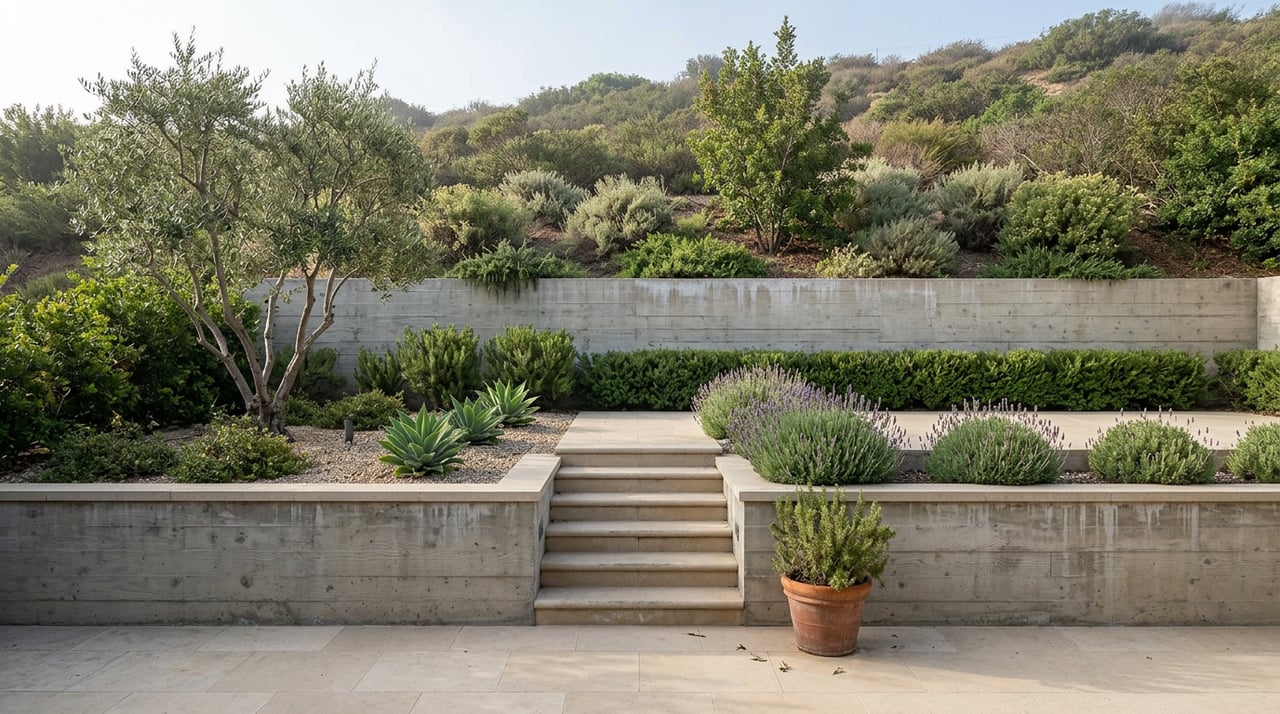
- Sloped terrain. Many parcels require grading, retaining walls, and geotechnical studies. These items add cost and time and can influence where the ADU can sit.
- Sewer vs septic. Most homes connect to municipal sewer, but some areas may rely on septic or older laterals. Connection, upgrades, or septic-compatible design affect feasibility and budget.
- Utilities and stormwater. Long runs for water, gas, power, and stormwater management can be significant cost drivers on larger or hillside lots.
- Wildfire and vegetation management. Brush clearance, ignition-resistant construction, and access standards can shape your design and timeline.
- CC&Rs and HOAs. Many Peninsula neighborhoods have private restrictions that may limit rentals, require architectural review, or set design criteria. CC&Rs can be binding even when the City allows an ADU.
- Scenic and hillside overlays. Some properties fall under additional review to preserve character or views. That can add steps and design standards.
Plan early for these realities so your design, budget, and permit strategy align with what your site can support.
Permit path and timing
Most homeowners follow a similar process to permit and build an ADU.
- Pre-application and feasibility
- Confirm zoning, setbacks, and lot coverage for your parcel.
- Review CC&Rs or HOA rules for any limits on ADUs or rentals.
- Map utilities, topography, and access. Identify whether you will need grading or geotechnical work.
- Design and plans
- Hire an architect or designer with hillside experience or use a qualified plan set. Prepare structural, energy, and site plans.
- Submit for building permit
- Apply for building, mechanical, plumbing, and electrical permits. Some sites also require grading and fire reviews.
- Plan check and revisions
- Respond to plan check comments and, if needed, provide third-party reports such as geotechnical or structural updates.
- Issuance and construction
- Proceed through inspections to final sign-off and occupancy.
If your project meets objective standards, review is typically ministerial and faster. Plan check cycles often run 4 to 12 weeks depending on workload. Projects that require grading, geotechnical approvals, or discretionary review can take longer.
Costs and ROI basics
ADU budgets are highly site-specific in Rolling Hills Estates. Focus on the full cost picture and how it ties to your income or value goals.
Key cost categories
- Hard costs. Foundation, framing, roofing, windows, finishes, HVAC, plumbing, and electrical.
- Site work. Grading, retaining walls, drainage, and driveway or access improvements.
- Utilities. Sewer or septic, water, gas, electric service upgrades, meters, and off-site improvements if required.
- Soft costs. Architecture, engineering, energy documentation, geotechnical reports, permits, and fees.
- Carrying costs and contingency. Contractor overhead, construction interest, and a 10 to 20 percent contingency for surprises.
- Exterior work. Landscaping, fencing, walkways, and any parking or fire-access requirements.
Local cost drivers to watch
- Slope and soils. Steeper sites and marginal soils increase foundation and retaining wall costs.
- Utility runs. Long laterals and service upgrades can materially change the budget.
- Fire resilience. Ignition-resistant materials and defensible-space work may add cost.
- HOA standards. Architectural committees may require higher finishes or specific exterior treatments.
Financing options to explore
How you finance can make or break the return profile.
- Cash or savings. Simple and fast, with no interest expense. Consider opportunity cost.
- HELOC or home equity loan. Often flexible for homeowners with strong equity. Rates and limits vary.
- Construction or renovation loan. Structured for draw schedules, inspections, and conversion to a permanent loan.
- Refinance and cash-out. Can lower overall monthly costs if rates and terms align with your goals.
Match financing to your project schedule and cushion for plan check and construction delays.
How to model ADU returns
Use a simple framework and test a few scenarios before you commit.
- Gross Rent Multiplier (GRM). Home price or project cost divided by annual rent. Lower is generally better.
- Capitalization rate. Net operating income divided by total project cost.
- Cash-on-cash return. Annual pre-tax cash flow divided by your initial cash invested.
- Payback period. Total project cost divided by annual net cash flow.
Build three scenarios
- Conservative. Higher construction costs, modest rent, and a small vacancy allowance.
- Typical. Midpoint assumptions for both cost and rent.
- Optimistic. Favorable site conditions and stronger rent, with on-budget delivery.
Tips for better estimates
- Use local rental comps for 1-bedroom and 2-bedroom units on the Peninsula and nearby markets. Scarcity of ADUs can support competitive rents, but verify with current listings.
- Confirm fee schedules, utility connection charges, and inspection timelines directly with the City and local agencies.
- Talk to two or three ADU builders experienced with hillside work to refine cost ranges.
- Ask the Los Angeles County Assessor how your improvement will be assessed. New construction typically adds to assessed value without triggering a full reassessment of your entire property.
Rental demand and value context
On the Palos Verdes Peninsula, many properties are owner-occupied, and ADUs are less common than in denser parts of Los Angeles. That scarcity can support stronger demand for well-designed units. Likely renter profiles include extended family, local professionals, and downsizers who want to stay near community amenities. Short-term rentals are frequently restricted by city code or CC&Rs, so verify your ability to operate before underwriting any nightly rental income.
In terms of resale, buyers often value flexible space for multigenerational living or supplemental income. The actual value uplift depends on ADU size, finishes, and legal compliance, as well as current market demand.
Parking, fire, and access
Day-one feasibility often hinges on a few practical items.
- Parking. If you convert an existing garage to an ADU, state law generally does not require replacement parking. Other ADU types can trigger parking standards unless an exemption applies. Verify the rules for your parcel.
- Fire and defensible space. Expect brush clearance and ignition-resistant construction requirements where applicable. Early coordination avoids redesigns.
- Access. Narrow streets, tight driveways, and hillside staging can affect construction and inspection logistics. Plan for deliveries and trades access.
Homeowner feasibility checklist
Use this checklist to move from idea to action with fewer surprises.
- Confirm allowance
- Call the Rolling Hills Estates Planning Division to confirm ADU types, setbacks, and objective standards for your lot.
- Review CC&Rs and HOA rules
- Identify any restrictions on rentals, secondary units, or exterior design and submit for architectural review early if required.
- Gather property documents
- Plot plan, survey, prior permits, and utility maps help your designer set the ADU footprint and utility runs.
- Assess site conditions
- Locate sewer connection and capacity, identify slope or soils issues, and flag any retaining walls or driveway work. Check fire access and defensible-space needs.
- Get estimates
- Seek preliminary pricing from two or three local ADU builders plus an architect with Peninsula hillside experience.
- Run an ROI model
- Build conservative, typical, and optimistic scenarios that include financing, taxes, insurance, and a vacancy factor.
- Pre-application and permits
- Schedule a pre-application discussion with the City, then submit for plan check when ready.
- Coordinate HOA approvals
- If applicable, submit to your architectural committee in parallel with City review.
Risks to plan for
- Cost overruns. Sloped sites, utility surprises, and specialty materials can push budgets.
- Private restrictions. CC&Rs can limit rentals or require approvals even when the City says yes.
- Longer timelines. Geotechnical reports, grading permits, and discretionary reviews add months.
- Market risk. Rents and buyer preferences can shift; ADU value depends on demand and execution.
- Regulatory changes. Fee schedules and short-term rental rules can change; confirm the current code before you start.
Get local help and next steps
Your best first step is a feasibility check with the City’s Planning and Building Division, followed by calls to the Los Angeles County Assessor and your local utility providers. Then, assemble a design-build team that knows Peninsula hillside conditions and HOA processes. Finally, pressure-test your ROI with three scenarios before committing to a schedule and financing.
If you want a sounding board on how an ADU could affect resale, buyer demand, or long-term strategy on the Peninsula, reach out to Gayle Probst for a local market consultation.
FAQs
How many ADUs can I build on a Rolling Hills Estates single-family lot?
- Most single-family parcels commonly allow one ADU plus one JADU under state rules, but you should confirm the exact allowance and any overlays with the City.
Will building an ADU in Rolling Hills Estates raise my Los Angeles County property taxes?
- New construction typically increases the assessed value by the improvement amount without fully reassessing your existing home; verify specifics with the County Assessor.
Are short-term rentals allowed for ADUs in Rolling Hills Estates?
- Long-term rentals are commonly allowed, but short-term rentals may be restricted by City code and CC&Rs; check both sources before planning nightly rentals.
Do I need to replace parking if I convert my garage to an ADU in Rolling Hills Estates?
- State law often prohibits requiring replacement parking for a garage conversion, though other ADU types may trigger parking standards; confirm site-specific rules with the City.
Can I build an ADU on a steep or hillside lot in Rolling Hills Estates?
- Many hillside lots can support ADUs, but you may need geotechnical reports, grading permits, and enhanced foundations, which can increase cost and time.