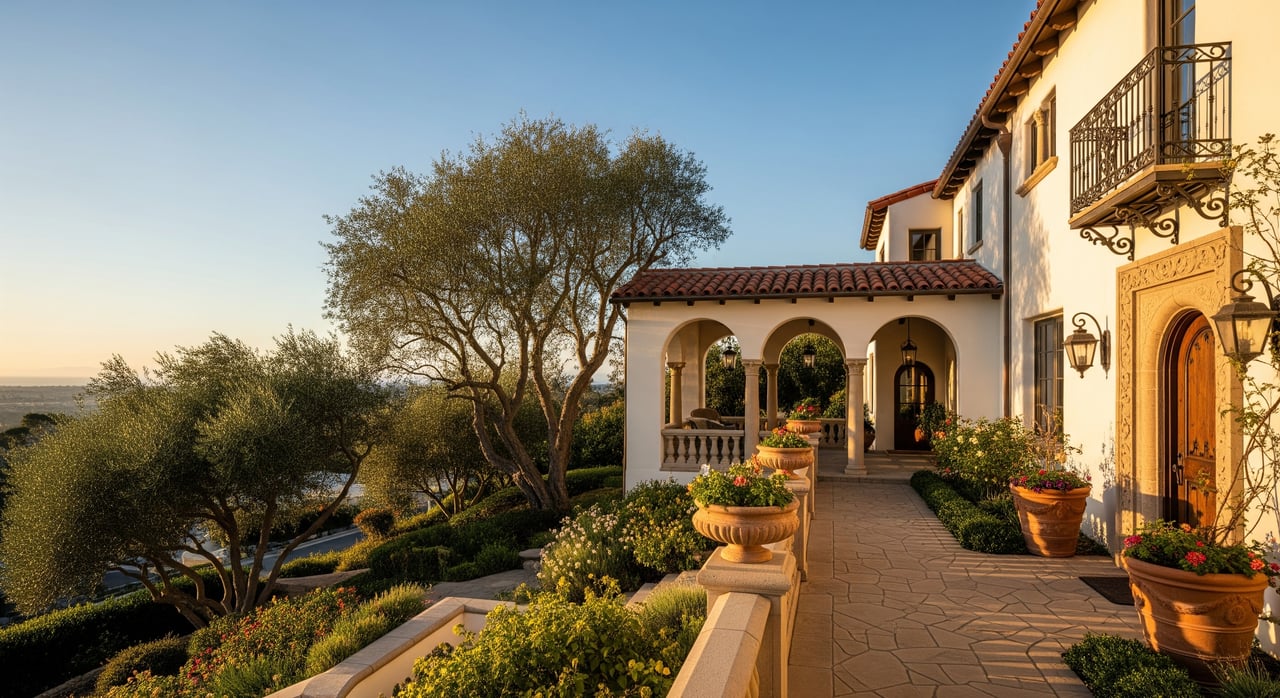
What draws you to Palos Verdes Estates — the ocean views or the timeless homes lining winding streets? If you appreciate architecture, you notice how the city feels cohesive yet varied. You also want practical guidance on what each style means for value, maintenance, and remodeling. This guide breaks down the main architectural styles you will see in Palos Verdes Estates, the local context that shaped them, and what to consider as a buyer or seller. Let’s dive in.
Why PVE looks cohesive
Palos Verdes Estates was planned in the early 20th century, especially during the 1920s and 1930s. The original development guidelines emphasized scenic streets, landscaping, and architectural harmony. That early framework favored Mediterranean and Spanish-inspired designs with tile roofs, stucco, and coordinated setbacks that still define the look today.
Growth after World War II brought Ranch and Mid-Century Modern homes, while later decades added contemporary remodels and custom builds. The bluff coastline, panoramic views, and steep topography also guided design choices. Many homes use terraces, stepped forms, retaining walls, and large windows to make the most of the setting.
How to spot key styles
Below are the most common styles you will find across Palos Verdes Estates, along with visual cues and local notes.
Spanish Colonial Revival and Mediterranean Revival
- Era: 1920s to 1930s.
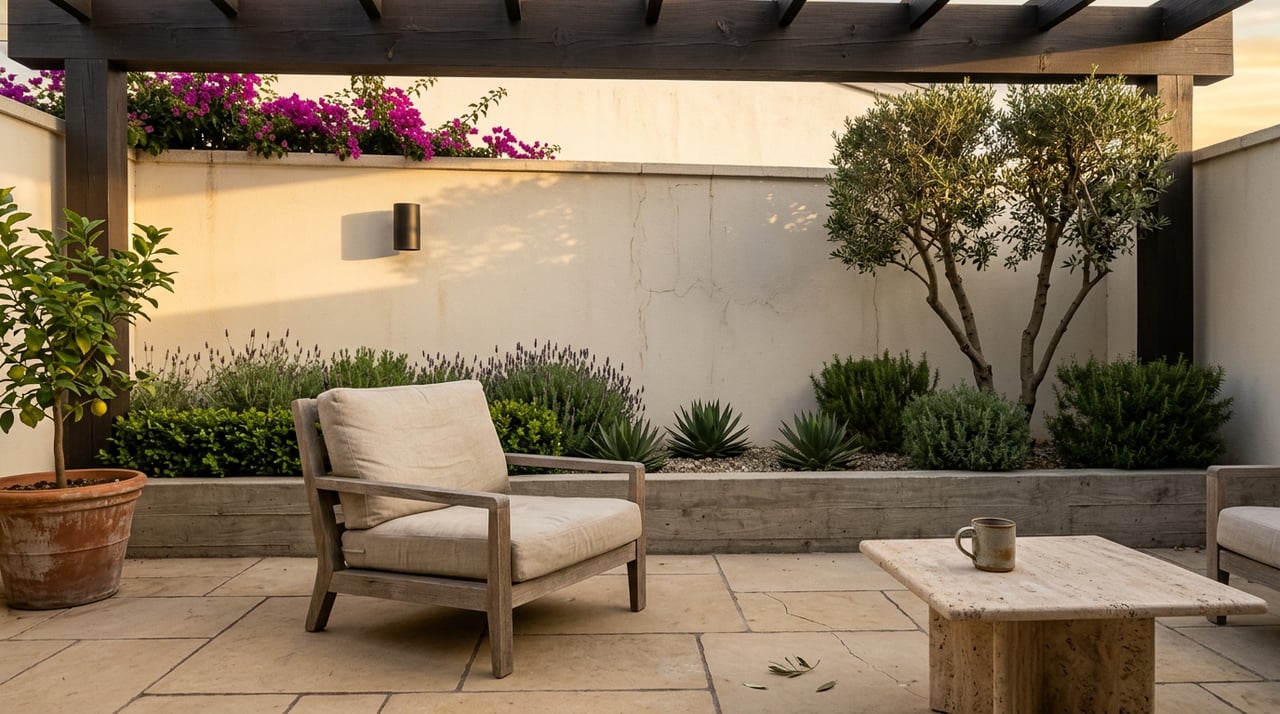
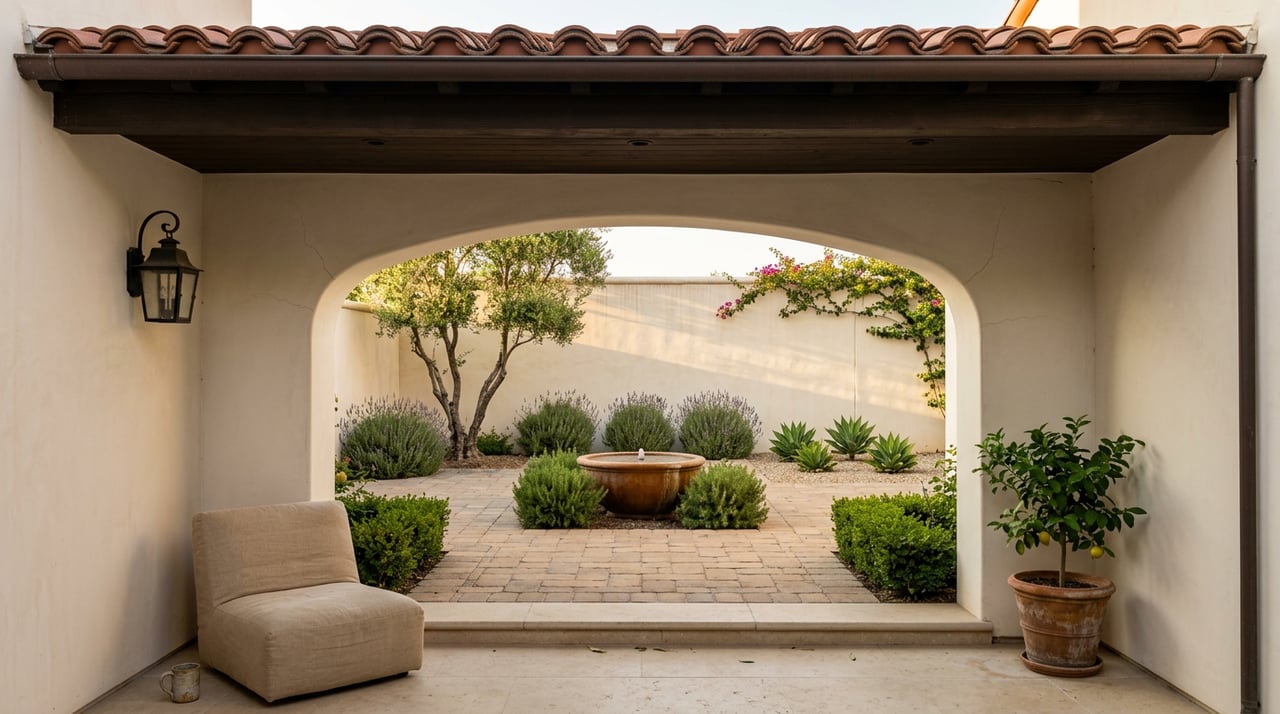
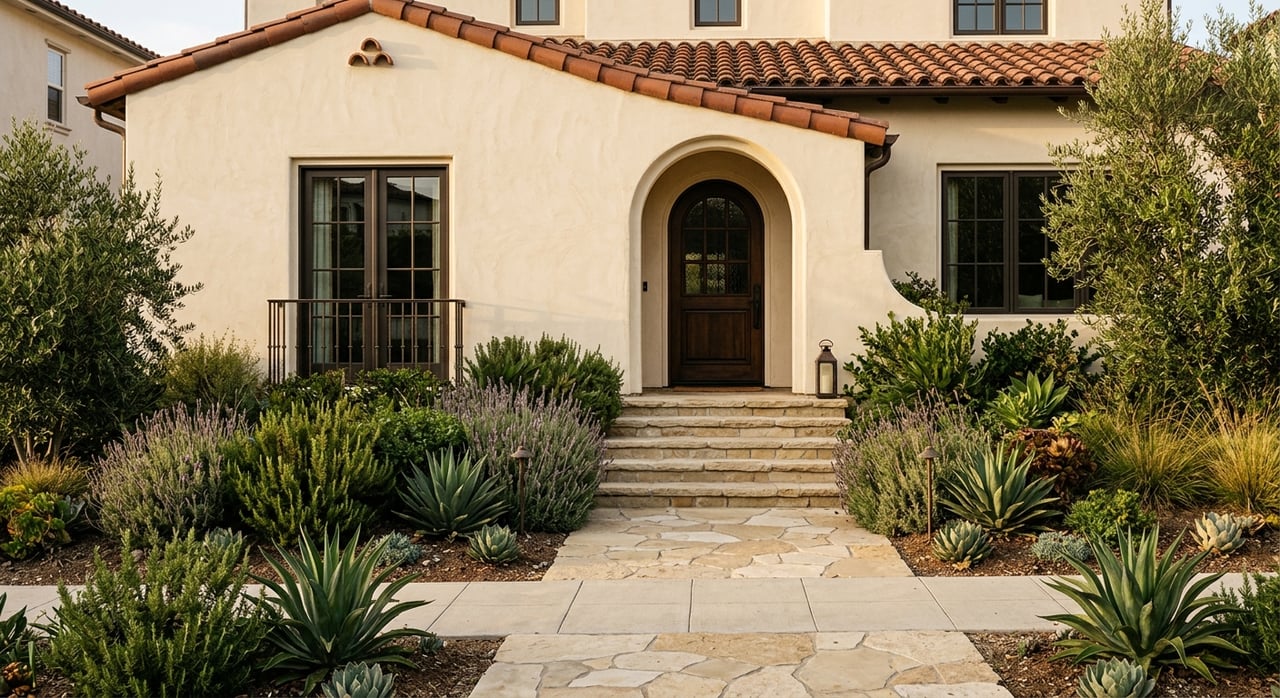
- What to look for: White or light stucco, red barrel clay tile roofs, arched openings, wrought-iron balconies, decorative tile, and courtyards or arcades.
- Local notes: Stucco and clay tile suit the setting but need periodic maintenance. Expect stucco crack repair and clay tile fastener checks. Authentic period details are highly marketable.
Mediterranean and Italianate variants
- Era: 1920s to 1930s.
- What to look for: Symmetrical villa forms, loggias, classical columns, and more ornate cornices alongside stucco and tile roofs.
- Local notes: Landscaping and irrigation historically support the style’s formal look. Materials and maintenance needs mirror Spanish Revival.
Tudor Revival and English Cottage
- Era: 1920s to 1930s, found in select pockets.
- What to look for: Steeply pitched roofs, decorative half-timbering, casement windows, masonry or stucco walls, and prominent chimneys.
- Local notes: Roof and chimney upkeep matters. Buyers often seek the storybook character these homes offer.
American Craftsman and California Bungalow
- Era: 1910s to 1930s.
- What to look for: Low-sloped gabled roofs with exposed rafters, tapered porch columns, wood siding or stucco, and built-in woodwork inside.
- Local notes: Many have been expanded over time. Original wood elements can require restoration in the coastal climate.
Ranch and Postwar California Modern
- Era: 1940s to 1960s.
- What to look for: Single-story living, horizontal massing, attached garages, open floor plans, and large glass sliders for indoor-outdoor flow.
- Local notes: These homes were common during postwar growth and are often updated. Some have been replaced with larger homes.
Mid-Century Modern and Contemporary Coastal Modern
- Era: 1950s to present, with more remodels and custom homes since the 1980s.
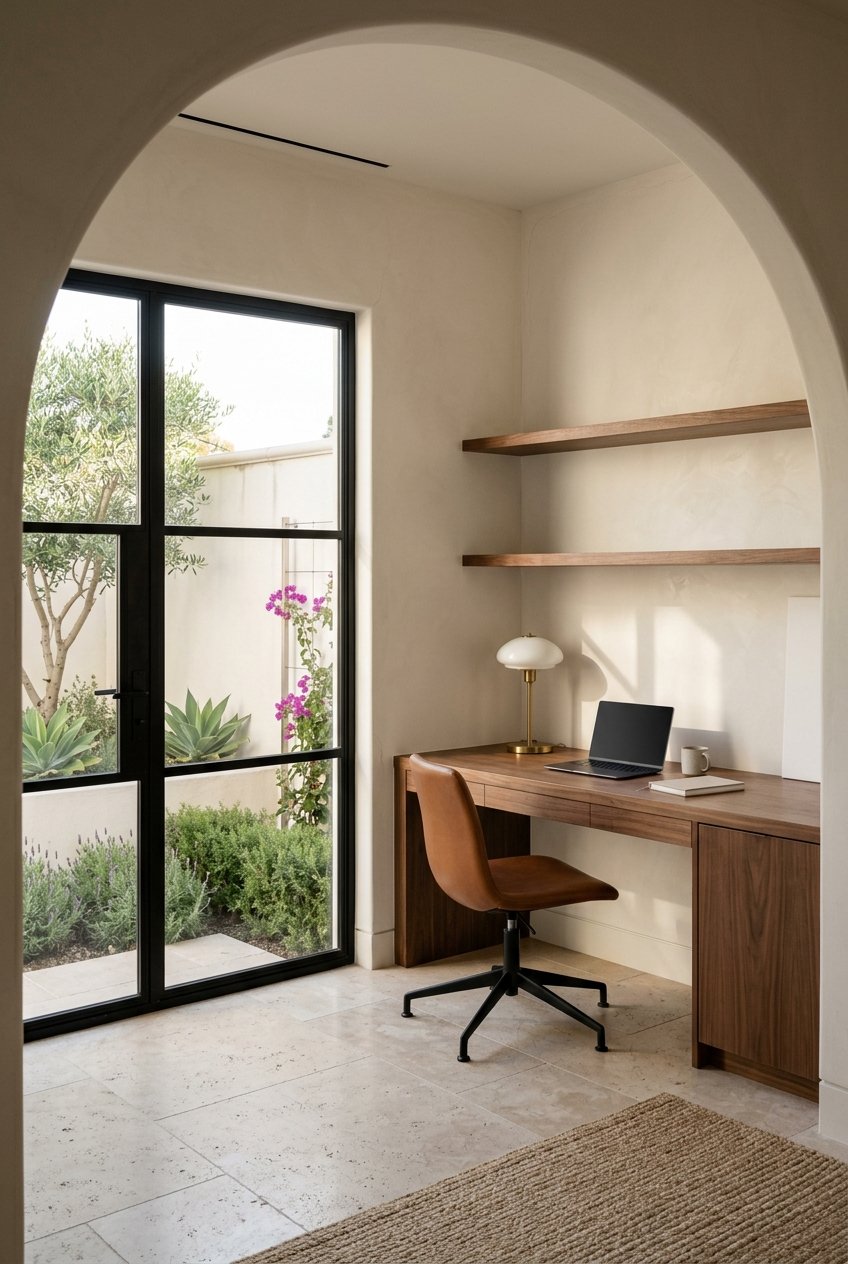
- What to look for: Clean lines, expansive glass to capture ocean views, open interiors, minimal detailing, steel and wood structure, and flat or low-pitched roofs.
- Local notes: Coastal exposure makes window quality and metal corrosion resistance important. These designs appeal to buyers who prioritize light, views, and modern finishes.
Eclectic and Custom Estates
- Era: Ongoing.
- What to look for: Larger custom homes that blend revival details with contemporary elements. Scale varies and many maximize ridge-top or bluff locations.
- Local notes: Expect site-specific design choices that prioritize views, privacy, and outdoor living.
Planning and review basics
Palos Verdes Estates uses a municipal design review and permitting process for many exterior changes, additions, and new construction. Larger projects may require discretionary approval. Always confirm the latest procedures with the city’s Planning and Building departments.
Some homes or clusters may be listed or eligible as historic resources. Renovation or demolition of older homes can trigger additional review in designated areas, so verify with the local historic or cultural resource inventory.
Parts of the Palos Verdes Peninsula fall within the California Coastal Zone. If a property is in that area, certain projects may require a Coastal Development Permit or review through the city’s Local Coastal Program. On bluff or cliff-front lots, geotechnical studies and setback rules often guide what you can add or rebuild.
Also review HOA or CC&R restrictions where applicable. Many older properties have been modified over the years, so check for permits on past work. Verifying permit history helps you plan your timeline and budget.
What style means for value
Style matters to many buyers, but location and views often have the greatest impact on price in Palos Verdes Estates. Even so, there are trends to note:
- Well-maintained Spanish or Mediterranean Revival homes with authentic details often command a premium.
- Mid-Century and Coastal Modern homes draw strong interest for open plans and views, especially on bluff and ocean-view lots.
- Ranch homes and modest bungalows can perform very well when updated and sited on desirable lots.
If you are selling, highlight what your style does best. Authentic tilework, mature landscaping, and indoor-outdoor flow are buyer magnets. If you are buying, look beyond finishes to the site, orientation, and potential for view improvements within local regulations.
Renovation and maintenance tips
Every style has recurring maintenance needs in a coastal environment. A targeted plan helps with inspections and budgeting.
- Stucco: Watch for hairline cracks and signs of moisture intrusion. Ask for moisture testing on older stucco over wood framing.
- Clay tile roofs: Tiles are durable, but underlayment ages. Inspect for slipped or broken tiles and plan for re-roofing with modern underlayment.
- Wood elements: Exposed rafters, fascia, and decks can show rot or termite damage. Coastal humidity increases maintenance, so regular painting and repairs pay off.
- Windows and metals: Salt air accelerates corrosion. Consider stainless or coated fasteners and window systems designed for coastal exposure.
- Foundations and slopes: On steep or bluff lots, engage qualified engineers for additions or major grading. Drainage and retaining walls deserve close attention.
Cosmetic updates like new kitchens and baths typically bring solid returns in a high-demand coastal market. Restoring original details can add value, although costs are higher. Additions that improve bedroom and bath count or expand glazing to capture views can materially increase resale value, subject to permits and zoning limits.
Seismic and climate resilience
Older homes often benefit from seismic retrofits. Masonry chimneys, unreinforced foundations, and soft-story conditions can be addressed for safety and marketability. Insurance costs may be higher near the coast, so get quotes early in the process.
Consider long-term climate impacts. For bluff-edge properties, review geotechnical guidance and local planning maps related to erosion and sea level rise. Future-proofing your home can reduce risk and enhance buyer confidence.
Next steps for buyers and sellers
If you are buying, align style preferences with site quality and regulatory realities. Confirm permit histories, assess coastal materials, and budget for upgrades that boost performance and comfort.
If you are selling, audit your home’s condition before listing. Repair stucco and roofing issues, address wood and window maintenance, and spotlight architectural strengths in your marketing.
When you are ready, connect with a local advisor who understands PVE’s planning process, coastal construction, and market expectations. A thoughtful strategy can help you maximize both enjoyment and value.
Ready to talk through your goals in Palos Verdes Estates? Reach out to Gayle Probst to schedule a complimentary market consultation or request a free home valuation.
FAQs
What defines Spanish Colonial Revival in Palos Verdes Estates?
- Look for white or light stucco, red clay tile roofs, arched openings, wrought iron, and decorative tilework, most common in homes built during the 1920s and 1930s.
How do Mediterranean and Italianate homes differ from Spanish Revival locally?
- You will see similar stucco and tile, but with more classical symmetry, columns, and ornate cornices that read as villa-like compositions.
Which PVE styles are most popular with today’s buyers?
- Well-kept Spanish or Mediterranean Revival for period charm and Mid-Century or Coastal Modern for open plans and views tend to draw strong interest.
What permits or reviews might I need for exterior changes?
- Many exterior changes and additions require city design review and building permits, and coastal zone properties may also need a Coastal Development Permit.
What maintenance should I prioritize for older coastal homes?
- Focus on stucco condition, clay tile roof underlayment, window and metal corrosion, wood rot and termites, drainage, and any retaining walls or slopes.
How do bluff or view lots affect remodeling plans?
- Expect geotechnical studies and setback rules that guide expansion or rebuilding, especially for projects near bluffs or within the coastal zone.