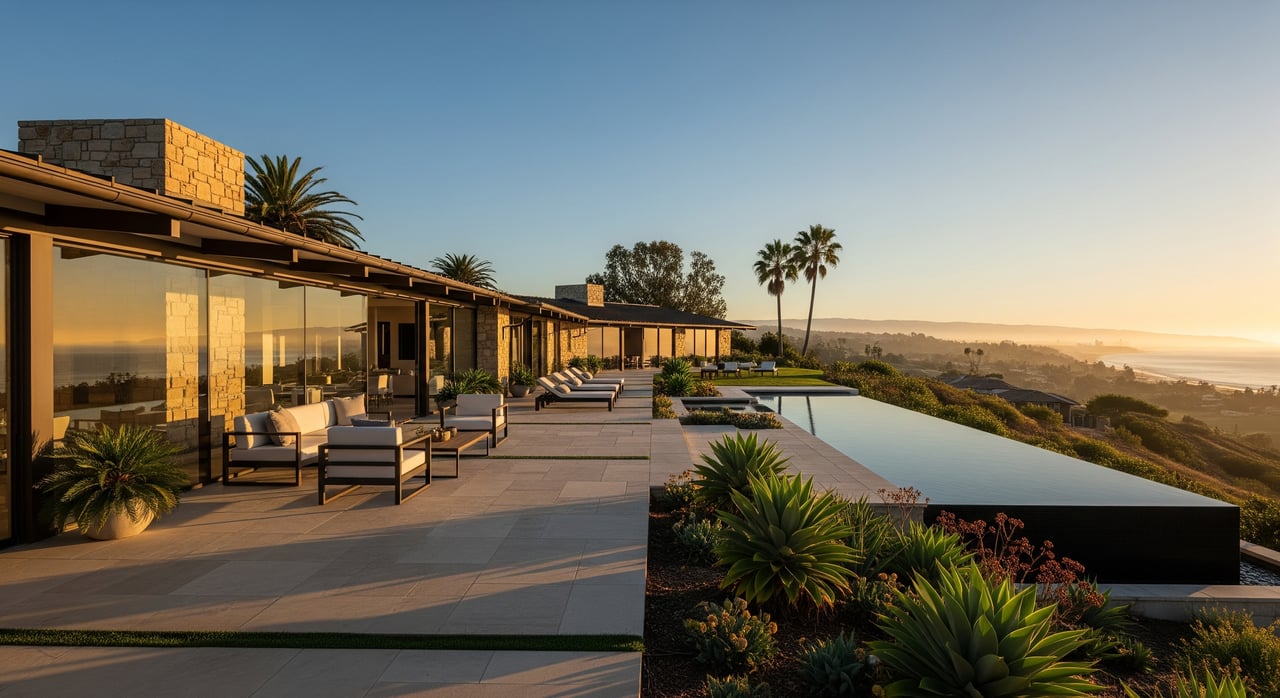
Choosing between the Beach Cities and Palos Verdes can feel like picking between two great lifestyles. You might want the energy of a walkable beach town or the calm of a hilltop home with views. This guide helps you compare both so you can decide what fits your daily life, budget, and long-term plans. You will see how each area stacks up on housing, schools, commute, lifestyle, and risk. Let’s dive in.
Beach vs hill lifestyle
The Beach Cities offer flat, compact neighborhoods with quick beach access and a lively downtown feel. You can walk or bike to cafés, retail, and the ocean.
Palos Verdes, including Rolling Hills Estates, sits on rolling hills with coastal bluffs and open space. You get larger lots, more privacy, and a quieter pace. Trail networks, nature preserves, and viewpoints define the rhythm of life.
Who each area fits
- Beach Cities: You want a highly walkable lifestyle near the sand with dining, cafés, and nightlife close by.
- Palos Verdes: You value privacy, space, bigger lots, and views, with quieter streets and easy access to trails.
- Rolling Hills Estates: You want the Peninsula lifestyle with a suburban and equestrian flavor, often more square footage per dollar than prime beachfront areas.
Home types and pricing
Beach Cities tend to command higher prices per square foot because of walkability and direct beach access. Manhattan Beach often sets the top tier, followed by Hermosa, with Redondo offering more variation by neighborhood. Condos, townhomes, and small-lot single-family homes are common, and you see more infill and vertical builds.
Palos Verdes concentrates value in lot size, views, and privacy. Most inventory is single-family with larger yards, including ranch and mid-century styles. Many buyers plan a longer hold here. Rolling Hills Estates often sits between Redondo and Manhattan Beach in price and offers mid-to-high-end single-family homes, some with larger or equestrian-friendly lots.
Market pace can vary. Beach Cities often have strong resale demand and some investor interest where short-term rentals are allowed. On the Peninsula, homes may take longer to turn over but draw buyers focused on long-term use and schools.
Commute and transportation
Both areas are largely car dependent. Typical drive times vary by time of day and exact address.
- To LAX: about 15 to 35 minutes. Beach Cities can be slightly closer on average.
- To Westside or Downtown LA: about 25 to 60+ minutes depending on congestion.
- To South Bay job centers like El Segundo, Torrance, and Redondo: about 10 to 30 minutes.
Hills and winding roads on the Peninsula can add minutes. Public transit is limited compared with central LA. The Metro C Line serves parts of the South Bay, and an extension toward Torrance is planned. Walkability is stronger in the Beach Cities, while most Palos Verdes neighborhoods rely on a car.
Schools and districts
Public school reputation is a common driver here. Palos Verdes Unified and Manhattan Beach Unified are widely recognized for strong academics. Hermosa and Redondo areas have varied configurations, and many neighborhoods across the South Bay offer well-regarded options.
School boundaries can change. Always confirm district and school assignments directly with the district and review boundary maps as part of your purchase process. Private school options are available across both regions if you want alternatives.
Lifestyle and amenities
In the Beach Cities, you get direct access to the ocean, The Strand, beach volleyball, surf breaks, and lively pier districts. Dining and retail are concentrated and easy to reach on foot.
On the Peninsula, you find coastal trails, cliffside views, golf, equestrian facilities, and nature preserves. Retail and dining clusters are present but more spread out. Community events in the Beach Cities often center on the beach and piers, while Peninsula events lean into outdoor recreation and community programming.
Space and remodel rules
If you want room to spread out, Palos Verdes and Rolling Hills Estates offer larger lots with potential for horizontal expansion, accessory buildings, and outdoor spaces. Design review can be stricter in hillside cities, which may lengthen timelines for major additions.
Beach Cities have smaller lots, and expansion often goes vertical. Zoning and coastal development rules can influence setbacks and project scope, especially within the Coastal Zone. Condo and HOA rules can add another layer of review.
Safety and insurance
Every South Bay buyer should factor natural hazards into their due diligence.
- Beachfront exposure: Near-shore properties can face storm surge and coastal permitting constraints, and may require added insurance.
- Hillside exposure: Parts of the Peninsula include historic landslide zones, such as the Portuguese Bend area in Rancho Palos Verdes. Slope stability can affect insurability and disclosures.
- Earthquakes: Like all of Southern California, older structures may need seismic retrofits.
Insurance availability and premiums vary by elevation, slope, and exact address. It is smart to get early insurance quotes and review county hazard maps during inspections.
Buyer checklist
- Confirm school boundaries and programs with the district.
- Get preliminary insurance quotes for home, earthquake, and flood if relevant.
- If hillside, review geologic reports, slope stability, and related disclosures.
- If coastal, confirm Coastal Zone rules and any permit needs.
- Ask about HOA or design review processes.
- Test your commute at rush hour from the property to key destinations.
- Understand local rules on ADUs, rentals, and remodel scope.
Rolling Hills Estates profile
Rolling Hills Estates sits between the Beach Cities and the hilltop communities, blending suburban convenience with Peninsula calm. Many neighborhoods feature larger lots and an equestrian-friendly lifestyle, along with access to trail networks. You can find single-family homes with more space and privacy, yet you are a straightforward drive to South Bay job centers.
For many buyers, Rolling Hills Estates offers a balanced value: Peninsula schools and open space with a central location and a variety of home styles. If you want room to grow, enjoy outdoor living, and still reach the beach and El Segundo or Torrance with ease, this city is worth a close look.
Next steps
Choosing between these areas comes down to your daily rhythm and long-term plans. If you want a walk-to-everything beach routine, the Beach Cities deliver. If you want privacy, views, and larger lots, the Peninsula calls. Rolling Hills Estates may be the sweet spot if you want space and central access.
If you are weighing options, let a local expert guide you through school boundaries, hazard review, remodel rules, and pricing patterns by block. Schedule a complimentary market consultation or call Gayle Probst for a free home valuation.
FAQs
What are the key lifestyle differences between the Beach Cities and Palos Verdes?
- Beach Cities emphasize walkability and beach access, while Palos Verdes focuses on space, privacy, views, and outdoor trails.
How do public schools compare across these areas?
- Palos Verdes Unified and Manhattan Beach Unified have strong reputations, but verify current boundaries and programs directly with each district.
What are typical commute times from these neighborhoods?
- Expect about 15 to 35 minutes to LAX, 25 to 60+ minutes to Westside or Downtown, and 10 to 30 minutes to nearby South Bay job centers.
What hazards should I consider when buying near the coast or on a hillside?
- Beachfront areas face storm surge and coastal permitting, while hillside areas can involve slope and landslide considerations; earthquakes affect the entire region.
Is it generally easier to remodel in Beach Cities or on the Peninsula?
- Beach Cities face coastal and zoning constraints, while Peninsula cities often have stricter design review and hillside rules that can lengthen timelines.
Where do I typically get more space for my budget?
- Palos Verdes, including Rolling Hills Estates, often offers larger lots and more privacy compared with similarly priced homes in prime Beach Cities.