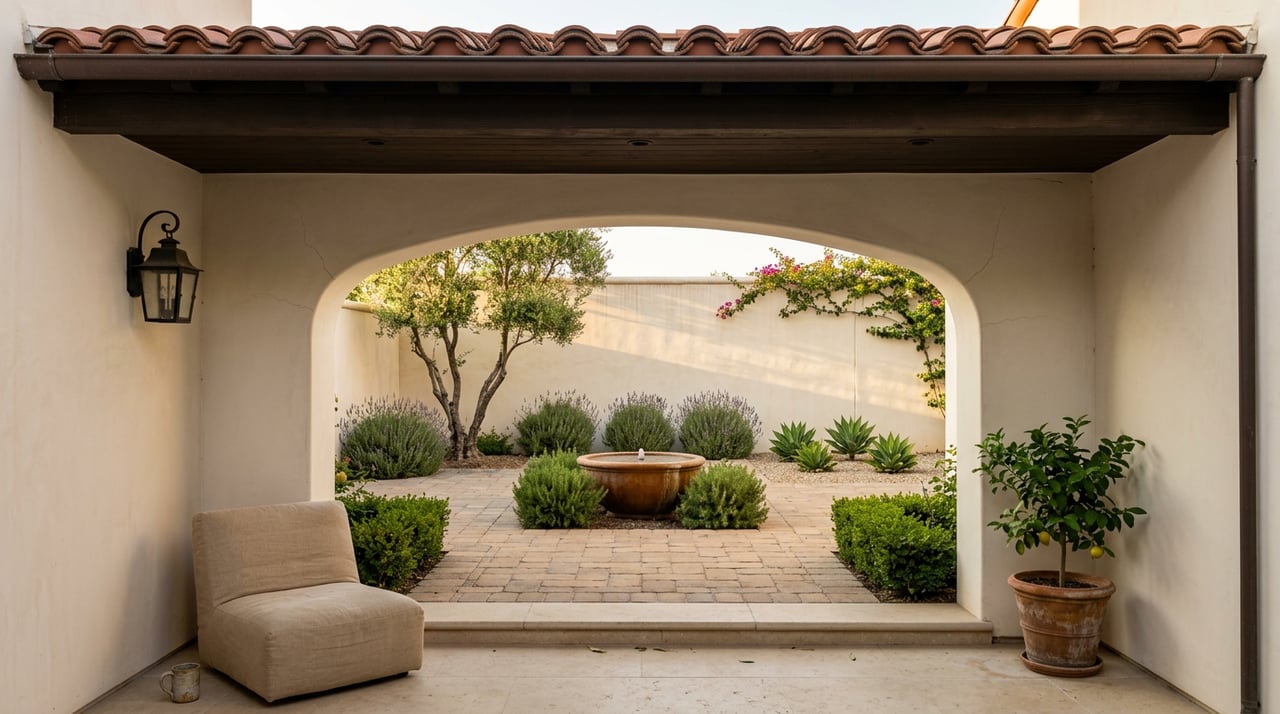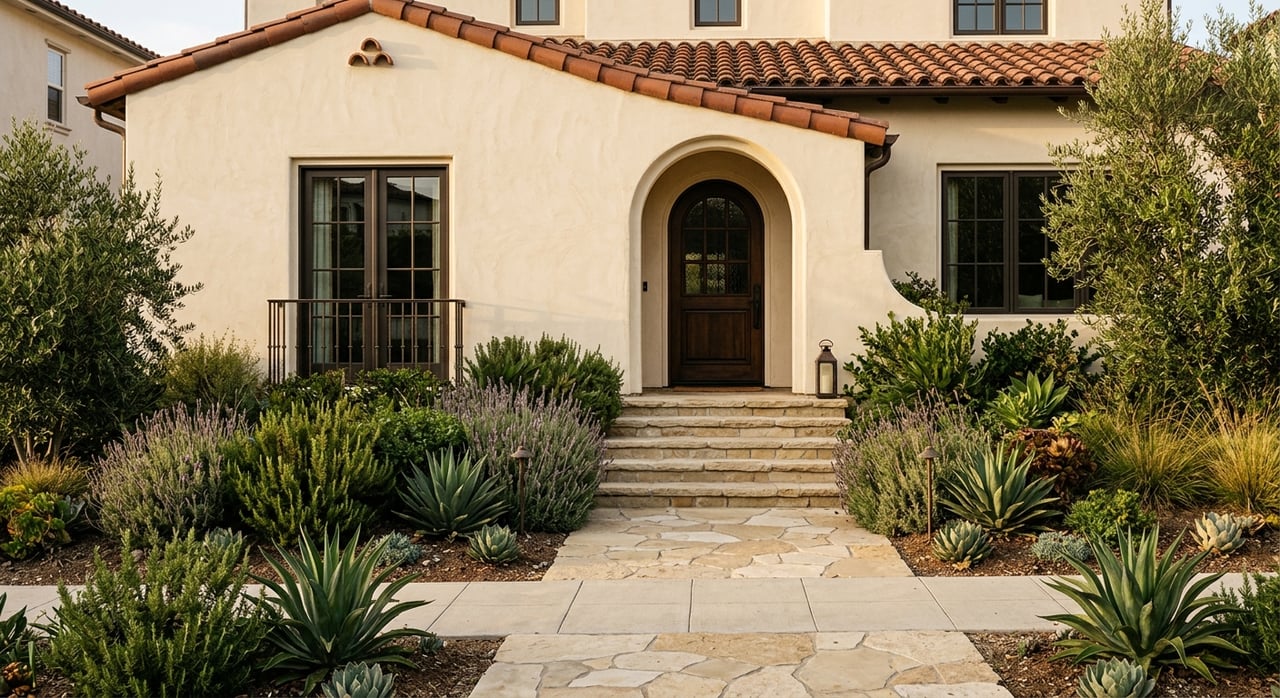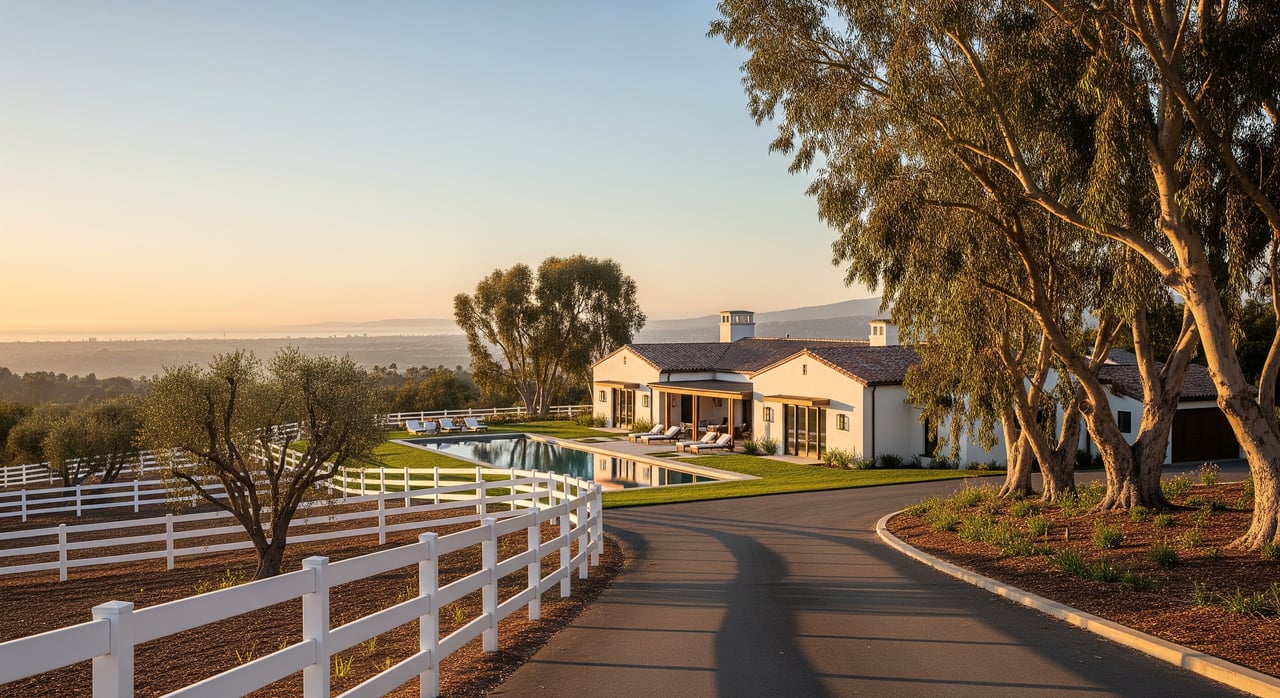
When is the best time to put your Rolling Hills home on the market? In a gated, low-inventory community with large lots and equestrian properties, the calendar matters, but strategy matters more. If you want top results with as little stress as possible, you need a plan that fits the local market, your property type, and your move date. This guide breaks down seasonality, school-year timing, property-specific tips, and a realistic prep-to-close timeline so you can list with confidence. Let’s dive in.
Why timing in Rolling Hills is unique
Rolling Hills is not a typical suburban tract market. Most homes sit on large parcels, many are custom or equestrian-friendly, and inventory is limited. These traits create fewer direct comps and a buyer pool that is selective and often from in and around Los Angeles.
Privacy is also a real factor. Gated entries and appointment-only showings are common, which can change how you schedule tours and market the home. Seasonality still plays a role, but it is less predictable than in high-volume neighborhoods. Families often plan around the school calendar, while luxury and estate buyers move based on life events and opportunity.
Finally, Rolling Hills sits within the larger Los Angeles, Long Beach, and Glendale metro. Interest rates, regional job trends, and in-migration affect demand. Even so, local supply constraints and the nature of estate properties often dictate your timing more than metro-wide averages.
Seasonal patterns in the South Bay
Southern California’s mild climate softens seasonality, but buyer behavior still follows a rhythm.
- Late winter to spring (February to April): Historically the most active window. More buyers are out, and listings see strong traffic. This is a prime time if you want broad exposure and a summer closing.
- Late spring to early summer (May to June): Family-focused activity stays strong as buyers aim for summer moves. Listing here can yield quick contracts, especially for well-prepared homes.
- Late summer (July to August): Activity remains steady, but vacations can affect showing schedules. Well-priced homes still sell, though buyer urgency may vary.
- Early fall (September to October): A smart window if you want less competition. Weather is great, and motivated buyers who missed spring are active.
- Late fall and holidays (mid-November to January): The buyer pool is smaller. That said, serious buyers remain in the market, and unique or luxury homes can do well with curated, private showings.
Timing scenarios: choose your path
Different goals call for different strategies. Use the scenario that fits your needs.
Maximize price and exposure
- Prepare in late winter and list in early spring (February to April).
- Benefit from higher buyer traffic and more tours.
- Aim for a late spring or early summer closing.
Align with the school year
- If your likely buyer is a family, plan for a summer move.
- List in late winter or early spring so you can close between May and August.
- If you need to list later, a well-presented May or June launch can still close by summer.
Reduce competition or sell quickly
- Consider early fall (September to October).
- Fewer new listings can help your home stand out.
- Motivated buyers who delayed earlier in the year are active.
Privacy-first luxury sale
- Timing is flexible for estates and custom homes.
- Coordinate with a targeted marketing plan, private showings, and specialty media.
- Focus on quality presentation, not just the calendar.
Equestrian or large-acreage property
- Listing month matters less than reaching the right buyer networks.
- Highlight stables, arenas, and improvements with specialty marketing.
- Plan showings and liability steps in advance to keep visits smooth and safe.
Map your timeline: prep to close
A clear plan helps you hit your ideal move date without rushing.
- Pre-listing prep: 2 to 8 weeks depending on property size, repairs, staging, and media.
- Marketing and showings: 1 to 4 weeks depending on pricing and demand.
- Escrow and closing: 30 to 45 days is common. Allow more time for complex estate or out-of-area buyer transactions.
Example: planning for a summer move
- Desired closing by late June.
- Start pre-listing work in March. Complete inspections, repairs, landscaping, and staging by early April.
- Launch the listing in mid-April. Allow 1 to 3 weeks for showings and offers.
- Open escrow in late April or early May to close by late June.
Property-type tips that change timing
Equestrian and ranch properties
The buyer pool is narrower and more specialized. Your listing will benefit from custom marketing such as drone footage, acreage maps, stable and arena features, and outreach through equestrian channels. Plan extra time for showings and safety protocols. Listing date is less important than reaching the right audience with the right assets.
High-end custom and luxury estates
Luxury buyers are less tied to spring cycles and more focused on quality, privacy, and timing that fits their personal schedule. Prioritize polished presentation: twilight photography, cinematic video, and private appointment systems. An early fall launch can be strategic when you want fewer competing properties.
Traditional single-family homes
You will see more effect from seasonality. If broad exposure and competitive offers are the goal, aim for February to April. If your ideal buyer is a family, line up a summer move by listing in late winter or early spring.
Condos or smaller-lot homes nearby
These segments can be more price sensitive and more affected by inventory swings. Spring advantages are pronounced, though early fall can help you stand out if supply is high in spring.
What to check before you pick a date
Review a few key indicators with your agent so you can tailor timing to current conditions.
- Inventory and months of supply: Low supply favors sellers and rewards listing sooner. Rising supply suggests more competition.
- Buyer demand signals: Showing activity, offers per listing, and weekend turnout help gauge momentum.
- Days on market: Shortening DOM can indicate strong conditions you want to catch.
- Price trend: Look at 3 to 6 month moving averages for Rolling Hills and nearby Peninsula areas. In a rising market, listing sooner can help. In a softening market, pricing and presentation need to be sharper.
- Mortgage rate direction: Lower rates expand buying power. If rates are rising, listing earlier can capture demand before budgets tighten.
- Local context: The LA metro’s job market and migration patterns can nudge demand up or down. Always use fresh, local data.
Confirm current figures from the local MLS, Palos Verdes Peninsula Association of REALTORS reports, the California Association of REALTORS, and other professional sources. Because Rolling Hills is small, one large sale can skew monthly medians. Use multiple comps and rolling averages for accuracy.
Smart pricing by season
- In spring with strong traffic: Price at market or slightly above when your presentation is top tier. Aim to create healthy competition.
- In slower windows or when competing inventory is high: Lead with a compelling price and strong media. Virtual tours and floor plans help attract out-of-area buyers.
- For unique or luxury homes: Expect a longer marketing runway and more negotiation. The right buyer may take time, so build that into your plan.
Pre-listing checklist for Rolling Hills sellers
- Order a comparative market analysis using recent Peninsula comps.
- Complete pre-listing inspections as appropriate: roof, pest, septic or sewer, pool equipment, and stable structures.
- Gather property documents: permits for improvements, surveys, title details, any easements, and association rules if applicable.
- Improve curb appeal: drought-tolerant refresh, driveway and gate maintenance, exterior paint touch-ups.
- Schedule photography and video at optimal light, plus drone where appropriate. Confirm permits and neighbor privacy considerations.
- Plan staging: luxury or bespoke staging can take 1 to 3 weeks to install.
- Align marketing logistics: MLS entry, luxury placements, targeted email lists, and equestrian networks if relevant.
- Decide on showings: open house vs. private appointments. Many Rolling Hills homes do best with scheduled tours.
Questions to ask your agent
- What are current inventory and days-on-market trends in Rolling Hills and nearby Peninsula neighborhoods?
- Who is most likely to buy my home right now, local or out-of-area? How will we reach them?
- How will the marketing plan highlight my property’s strengths, such as acreage, views, or equestrian features?
- What is the pricing strategy for the first two weeks on market, and how will we respond if demand is stronger or weaker than expected?
- How does the school calendar and my desired move date affect our launch and escrow plan?
Ready to plan your sale?
The best time to list in Rolling Hills depends on your goals, your property type, and current market signals. Spring and early summer often bring the most activity, early fall can be a strategic second window, and luxury or equestrian homes perform best when marketing is tailored and timing is coordinated with qualified buyer demand.
If you want a timing plan grounded in local data and a clear prep-to-close roadmap, schedule a conversation with Gayle Probst. You will get a practical strategy that fits your move date, your property, and the Rolling Hills market.
FAQs
What month is usually best to list a home in Rolling Hills?
- Spring, especially February to April, typically brings the most buyer activity in Southern California. For estate and equestrian properties, marketing quality and pricing can matter more than the exact month.
How does the school year affect my listing date?
- Many families prefer to move during summer break. Listing in late winter or early spring helps you secure a contract and close between May and August.
Is the holiday season a bad time to sell in Rolling Hills?
- Buyer traffic is lighter from mid-November through January, but serious buyers remain active. Unique or luxury listings can still do well with private, curated showings.
Should I wait for mortgage rates to drop before listing?
- Lower rates can expand the buyer pool, but waiting also risks changes in inventory and demand. If local supply is low and demand is steady, listing sooner may be best.
How far in advance should I start preparing my home?
- Start 6 to 12 weeks before your target closing. This allows time for inspections, repairs, staging, professional media, marketing, and a typical 30 to 45 day escrow.
What if my property is equestrian or has significant acreage?
- Focus on specialty marketing and buyer targeting rather than the calendar. Plan for detailed media, safety protocols for showings, and outreach to equestrian networks.