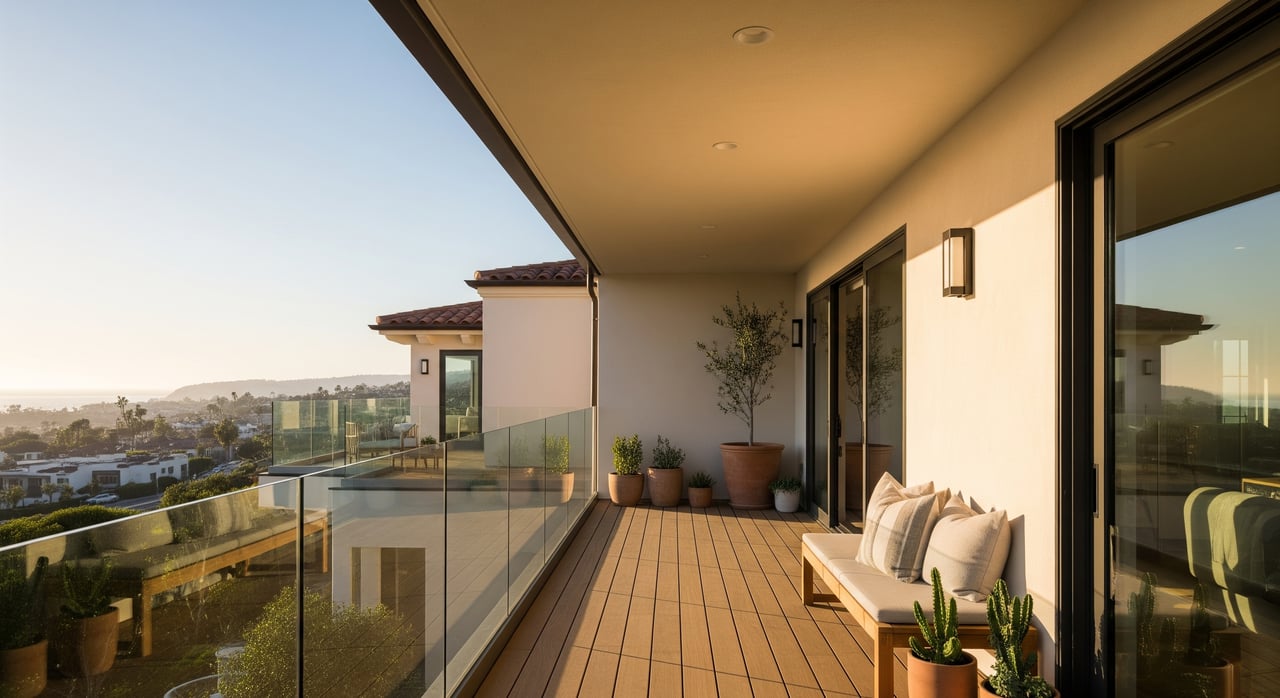
Salt air is part of the charm of life near the beach, but it can be tough on buildings. If you own a condo or townhome near Rolling Hills Estates, you may notice metal rusting faster, paint fading sooner, or doors that stick after a foggy morning. You want your home to look great and perform well, without surprise repairs or insurance headaches.
This guide shows you how coastal exposure affects key components, what to check and when, and how to coordinate with your HOA to stay ahead of issues. You will get an easy maintenance calendar, a simple owner checklist, and practical tips for materials that last. Let’s dive in.
Why coastal air changes your plan
Rolling Hills Estates sits on the Palos Verdes Peninsula with a marine-influenced Mediterranean climate. Morning marine layer, onshore breezes, and salt-laden air reach inland regularly. The result is faster corrosion on exposed metal, quicker wear on exterior coatings and sealants, and more moisture retention on shaded surfaces than inland areas.
Common local building types include low- to mid-rise multifamily buildings, stacked condos, and attached townhomes with wood framing and stucco or EIFS cladding. Balconies, exterior corridors, and podium decks are typical and require close attention in a coastal setting.
Balconies and decks
What to inspect
- Waterproofing membrane or surface coating condition
- Drainage and scuppers, especially after storms
- Cracks in toppings or tile grout, and the condition of expansion joints
- Railing anchors and attachment points
Failure signs
- Ponding water or soft spots and deflection
- Rust stains near anchors or base plates
- Delamination of membranes or flaking finishes
Frequency and actions
- Visual check yearly; schedule a professional balcony inspection every 3 to 5 years
- Repair or replace membranes, re-secure corroded anchors, and re-coat with marine-grade or elastomeric systems when deterioration appears
Railings, guardrails and fasteners
What to inspect
- Base plates, through-bolts, and welds
- Paint and coating condition
- Movement or looseness under hand pressure
Failure signs
- Pitting, rust-through, flaking paint
- Creaking or movement when loaded
Frequency and actions
- Visual check annually; perform a hands-on load check every 3 to 5 years and after major wind events
- Use stainless steel or hot-dip galvanized fasteners in repairs and apply appropriate primers and topcoats
Sealants and flashings
What to inspect
- Caulking at windows, doors, control joints, and penetrations
- Continuity of head flashings and sill pans
Failure signs
- Cracked or missing caulk and staining below joints
- Water stains or mold at window heads
Frequency and actions
- Owner visual check annually; plan re-caulking every 3 to 7 years depending on exposure and product
- Confirm shingle-style flashing and proper sill pans where stucco or EIFS meets windows and doors
Stucco and EIFS
What to inspect
- Hairline to wide cracks and separation at joints
- Staining, mildew, efflorescence, or soft spots
Failure signs
- Water intrusion, bulging, delamination, or corrosion of embedded metal
Frequency and actions
- Visual check annually; if issues appear, use moisture meters or small probe cuts to assess behind the cladding
- Ensure EIFS systems have proper drainage and flashing at penetrations before patching
Roofs, gutters, and drainage
What to inspect
- Roofing membranes or shingles, and flashings at penetrations
- Gutter and downspout clogging and secure attachments
Failure signs
- Standing water on low-slope roofs or podium decks
- Interior leaks and rusted flashings
Frequency and actions
- Inspect roofs and clean gutters in spring and fall and after major storms
- Schedule professional roof evaluations every 3 to 5 years
Windows, sliders, and tracks
What to inspect
- Smooth operation of sliders and the condition of tracks and rollers
- Weatherstripping and sweep seals
- Insulated glass for fogging
Failure signs
- Sticking or binding, water at thresholds, and fogged glass indicating seal failure
Frequency and actions
- Inspect annually and clean tracks; replace worn rollers and seals as needed
Mechanical systems and exterior equipment
What to inspect
- Corrosion on HVAC condenser fins, cabinets, and fasteners
- Secure mounting and clear condensate lines
- Operation of exterior exhaust fans
Failure signs
- Reduced HVAC efficiency, rust accumulation, or condensate leaks
Frequency and actions
- Service HVAC annually, and check outdoor units and condensate twice yearly
- Where possible, locate condensers on the leeward side and provide screening that does not block airflow
Shared systems to watch
What to inspect
- Common plumbing risers and backflow preventers
- Fire sprinklers for visible corrosion
- Slope and condition of common drainage and sump pumps
Failure signs
- Recurring leaks, low pressure, corrosion, or failed backflow tests
Frequency and actions
- Follow HOA testing cycles and code requirements, often annually for fire systems
- Clarify in CC&Rs whether the HOA or owner is responsible for laterals and shared lines
Pests, moisture, and landscaping
- Coastal humidity and irrigated landscaping increase the risk of wood-destroying pests and fungal decay
- Schedule an annual pest inspection and fix drainage or over-irrigation that creates conducive conditions
Work with your HOA
California common-interest communities follow the Davis–Stirling Act and each association’s CC&Rs, bylaws, and rules. These documents define who maintains what, how reserves are funded, and how approvals work. Many HOAs manage common-area elements such as exterior walls, roofs, balcony structures, and shared systems. Owners typically handle interiors and items listed as owner responsibility.
- Review your CC&Rs to confirm balcony membranes, railings, windows, and drainage responsibilities
- Use your HOA’s architectural review before changing railings, enclosing balconies, or installing new window types
- Ask your board to maintain a current reserve study, updated fully every 3 years and reviewed annually
HOA inspection and repair best practices
- Complete an annual visual inspection with a prioritized repairs list
- Schedule professional inspections of balconies, roofs, and stucco on a multi-year cycle
- Specify coastal-grade materials such as elastomeric coatings and stainless fasteners
- Prequalify contractors with coastal multifamily experience and document warranties and maintenance intervals
- Define emergency repair authority for items like failed balcony anchors
Materials that last near the beach
- Use 316 stainless steel or properly specified hot-dip galvanized fasteners for exposed connections
- Select UV-resistant, marine-rated coating systems with the right primer and surface prep
- Choose balcony membranes designed for pedestrian traffic and tile-over systems if tile is used
- Detail head flashings, sill pans, and shingle-style weatherproofing, and ensure claddings have a drainage plane
Insurance, permits, and code
- Coastal exposure can increase corrosion-related claims. Review your HO-6 and the HOA master policy to understand deductibles and coverage for interiors versus building shell
- Check flood maps for your property and review local drainage concerns, even if you are above typical flood elevations
- Plan permits for structural balcony work, railing replacement, roofing, and stucco remediation, and confirm guardrail heights and load ratings with local code requirements
Your annual maintenance calendar
Annual
- Inspect balconies, railings, and deck joints
- Clear gutters, downspouts, and balcony scuppers; scan roofs for storm damage
- Check exterior sealants at windows, doors, and penetrations; touch up as needed
- Service HVAC and clear condensate drains
- Schedule a pest inspection
- HOA reviews reserve status and schedules professional inspections
Spring and fall
- Clear drainage paths and test sump or backflow devices
- Clean sliding door tracks and lubricate rollers; replace worn sweeps
Every 3 to 5 years
- Professional moisture and structural inspections of balconies and podiums
- Re-caulk and re-seal exterior joints and window perimeters as indicated
- Repaint or re-coat exterior surfaces with marine-grade or elastomeric systems
- Review and test life-safety systems per code
Every 10 to 20 years
- Plan for major replacements such as roofs, balcony membranes, and cladding remediation depending on material and exposure
Simple owner checklist
Use this list to track what you see and share it with your HOA:
- Balcony surface, membrane, and drainage look good; no ponding
- Railing posts feel solid; no movement or rust at base plates
- Exterior caulking is intact; no staining below joints
- Stucco shows no bulging, soft spots, or active cracking
- Gutters and scuppers are clear after storms
- Sliders operate smoothly; tracks are clean and dry
- HVAC outdoor unit is free of corrosion and debris; condensate is draining
- No recurring plumbing leaks; water pressure is normal
- No pest activity; landscaping irrigation is not soaking walls or footings
Staying proactive in Rolling Hills Estates means fewer surprises and a stronger building envelope against salt, moisture, wind, and UV. If you are planning updates or a sale in the next year, aligning your maintenance with HOA schedules can boost value and reduce buyer concerns.
Ready to review your property’s maintenance plan or discuss timing a sale around upcoming HOA projects? Schedule a complimentary market consultation or call Gayle for a free home valuation.
FAQs
How does salt air affect Rolling Hills Estates condos?
- Salt-laden breezes accelerate corrosion on exposed metals, wear exterior coatings and sealants faster, and increase moisture retention on shaded surfaces compared to inland areas.
How often should I inspect my condo balcony near the coast?
- Do a visual check annually and schedule a professional inspection every 3 to 5 years, or sooner if you see ponding, soft spots, or rust stains.
Who is responsible for balcony waterproofing in an HOA?
- Responsibilities vary by CC&Rs; many HOAs treat balcony structures and membranes as common area, while owners handle interior finishes and owner-installed items.
What metal should I request for railing repairs near the beach?
- Use 316 stainless steel or appropriately specified hot-dip galvanized fasteners and components, paired with the right primer and topcoat.
Do I need permits to replace railings or repair stucco in Los Angeles County?
- Structural balcony work, railing replacement, roofing, and significant stucco remediation typically require permits and inspections under the California Building Code and local rules.