How close to the sand should you live if you want the South Bay lifestyle without daily hassles? It is a big decision, and the right answer depends on your budget, comfort, and the way you spend your time. You might dream of stepping onto the Strand each morning, or you may prefer a quieter hilltop setting with more space. In this guide, you will learn how distance from the beach changes price, comfort, parking, risk, and maintenance, plus how Rolling Hills Estates compares as an inland alternative. Let’s dive in.
Price near the sand
Buying close to the shoreline carries a premium. Academic work on West Coast housing shows a large, nonlinear jump in value within the first few hundred feet of the ocean, with prices falling quickly as you move inland. One study found very large differences between homes within 500 feet of the coast compared to those several miles away, with the steepest premiums packed into the closest blocks to the water. You can review that coastal premium research in the Journal of Real Estate Finance and Economics for context on the pattern of values near the shore here.
Local market snapshots also reflect this gradient. As of early 2026, median sale prices trend higher in Manhattan Beach and Hermosa Beach, with strong price per square foot near the Strand and pier areas. Redondo Beach offers a broader mix of price tiers along the Esplanade, harbor, and inland streets. Rolling Hills Estates, set inland on the Palos Verdes Peninsula, posts a different profile with larger lots and estate settings at a median that often sits between Redondo and the northern Beach Cities. Street-by-street comps will always tell the truest story, but the patterns align with the research. The first few blocks off the sand tend to command the biggest dollar differences.
Microclimate and comfort
The shoreline has its own daily rhythm. A Pacific marine layer often brings cool, gray mornings to the beach that clear later in the day. Forecasts for the Los Angeles coastal zone routinely show a wide “beaches to inland” temperature spread on the same day, with many afternoons several degrees warmer inland. You can see that pattern described in National Weather Service forecast discussions for the coastal zone here.
Research on urban microclimates also notes that local topography and features like the Catalina eddy create meaningful block-to-block differences in summer and during heat events. Practically, the closer you are to the water, the cooler your summer afternoons and the milder your winters are likely to feel. If you love crisp sea breezes and afternoon walks in mild air, near-beach living fits. If you want strong morning sun and a warmer feel, a few blocks to a mile inland can be more comfortable. For deeper context on how these temperature gradients play out in cities, see current microclimate research summaries here.
What this means for your home
- HVAC sizing that works inland may be more than you need right on the coast. You may value dehumidification and good insulation even more near the water.
- Materials and finishes should be selected with the marine environment in mind. Choosing coastal-appropriate systems can lower long-term maintenance headaches.
Access, parking, and noise
Daily convenience changes a lot in the first few blocks from the beach. Many close-in parcels have narrow lots and tighter parking. Municipal lots and meters also shape the experience near commercial corridors and the piers.
- Hermosa Beach manages a network of metered lots, street meters, and residential permits. To get a feel for where and how the city manages turnover, explore the public parking directory and rules here.
- Manhattan Beach operates multiple public lots and structures with time limits and some resident systems. Details and updates are posted by the city here.
Event days add energy and crowding. Summer concert series and civic fairs draw visitors to pier plazas and waterfront streets. If you love walkable nightlife and scheduled community events, this can be a plus. If you want quiet evenings and easy guest parking, it can be a tradeoff. You can preview seasonal event calendars that highlight concert nights across local cities here.
A quick rule of thumb for walk times helps with planning. At an average pace of about 3 miles per hour, 0.25 mile is roughly a 5-minute walk, 0.5 mile is about 10 minutes, and 1 mile is about 20 minutes. You can review a simple walking-time conversion guide here.
Physical risk and upkeep near the ocean
Flood and sea level rise
State and federal tools map potential coastal flooding from tides and storms over the coming decades. In Southern California, the USGS CoSMoS model and related datasets help planners estimate parcel-level exposure in different scenarios. You can learn more about those hazard maps and how they are used here.
California policy summaries also note that sea level is expected to rise in coming decades, with the amount varying by scenario. That does not mean immediate issues for every property. It does mean you should check elevation, local shoreline protections, and the long-term fit for your hold period. An accessible state overview of the planning issues is available here.
Insurance is another practical layer. Standard homeowner policies usually exclude flood damage from tidal inundation. If a home sits in a FEMA flood zone or shows exposure in local models, you may need separate flood coverage. It is smart to speak with your insurance advisor early and run parcel-level maps during discovery.
Salt, corrosion, and materials
Salt air accelerates corrosion of metals and can shorten the life of exterior finishes. Homes right on or near the Strand usually need marine-grade choices. That includes 316 stainless for exposed fasteners and hardware, corrosion-resistant fixtures, and more frequent paint or finish cycles. A practical overview of why marine-grade materials matter in coastal settings is provided here.
Distance tradeoffs at a glance
- On the sand or first row: unmatched daily access and views. Expect the highest purchase price, tighter parking, more foot traffic, and more frequent exterior maintenance.
- Two to eight blocks inland, about 0.1 to 0.5 mile: easy beach access at a lower price point with better odds of private parking and a little more space.
- Half a mile to one mile inland: often quieter residential streets, larger yards, and private garages at a materially lower cost. You will likely walk 10 to 20 minutes or take a quick bike or drive to the beach.
A quick buyer checklist
- Budget and price per square foot. Pull same-block comps and compare to homes 1 to 3 blocks inland. Academic evidence shows the premium is steepest in the first few hundred feet. Review the coastal premium pattern summarized in the research here.
- Access and parking. Confirm private parking or garage. If not, check the local parking rules and permits for your block. Hermosa maintains a public directory here.
- Noise and activity. Visit the property on weeknights and weekend mornings. Review local event calendars for recurring concert nights or fairs here.
- Microclimate fit. Do you want cool afternoons and foggy mornings or warmer, sunnier mornings inland? See how the marine layer shapes daily temperatures in NWS coastal forecasts here.
- Long-term exposure and upkeep. Ask for the home’s elevation, flood zone, and recent exterior rehab records. Study parcel-level hazards using tools and datasets explained here.
- Resale and liquidity. Beachfront homes are a niche with strong premiums and a smaller buyer pool. Near-coast homes tend to serve a wider audience. Compare days on market and inventory at the street level with your agent’s current comps.
Rolling Hills Estates as an inland alternative
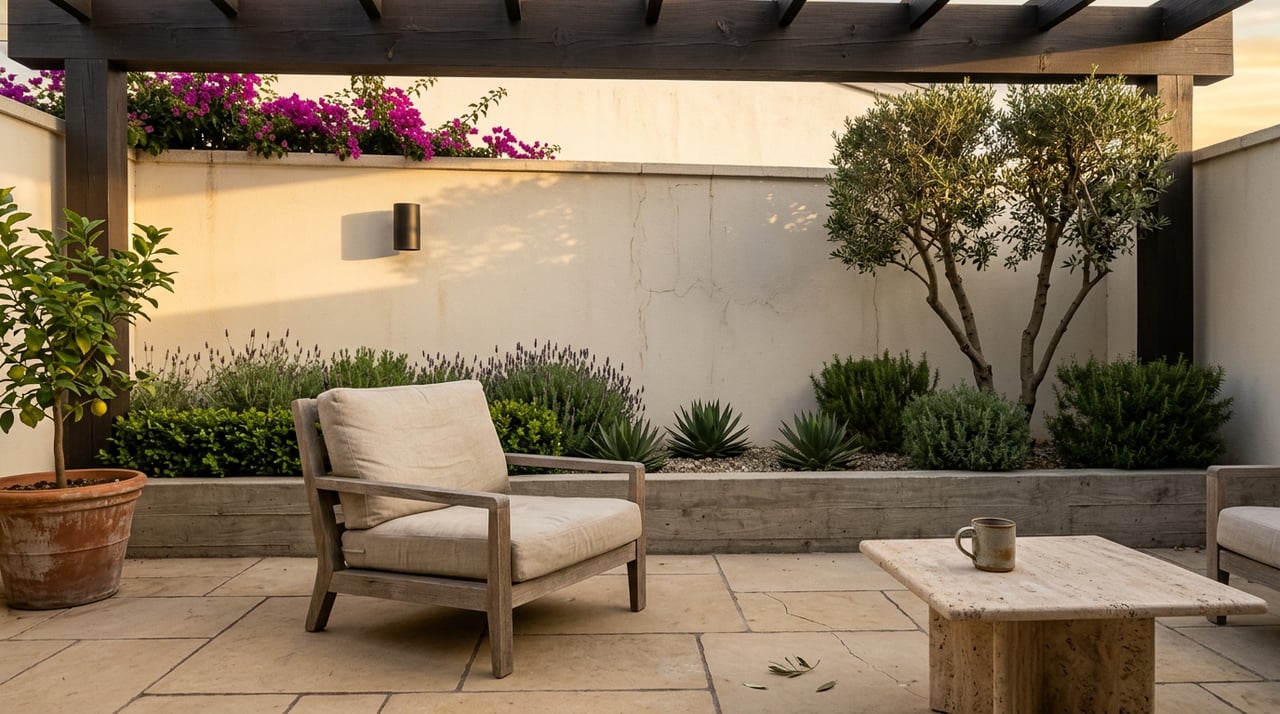
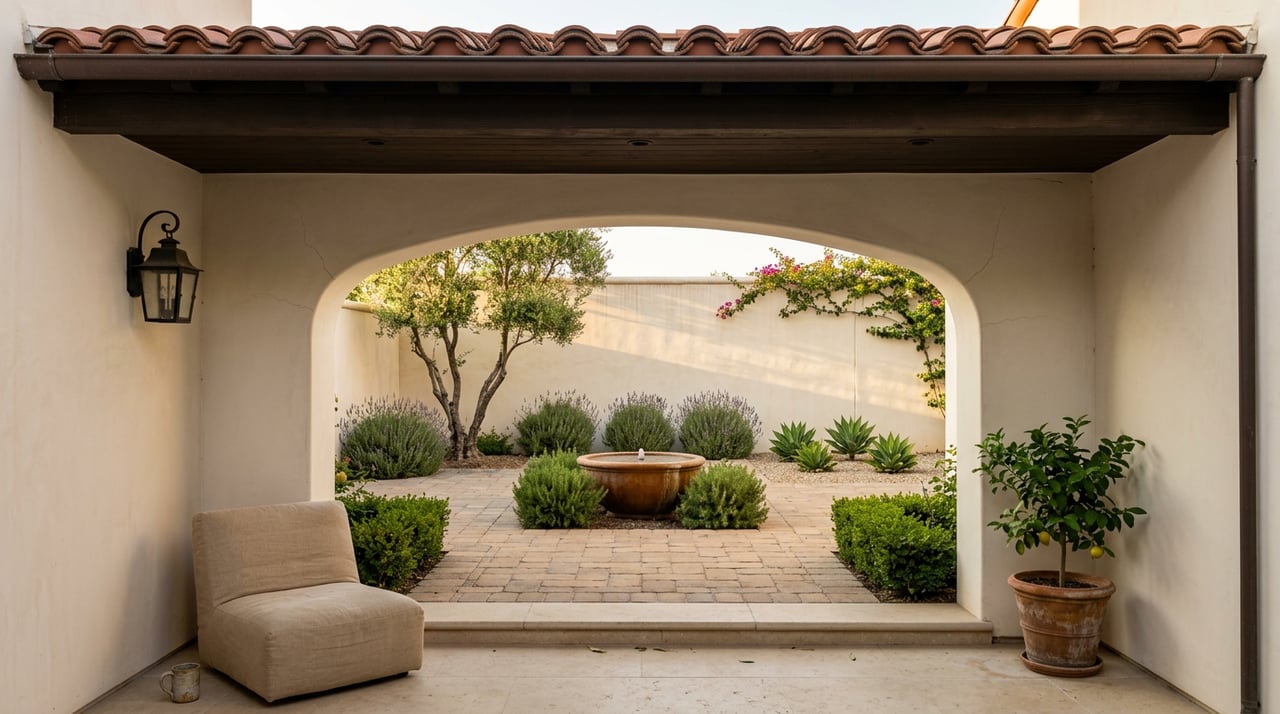
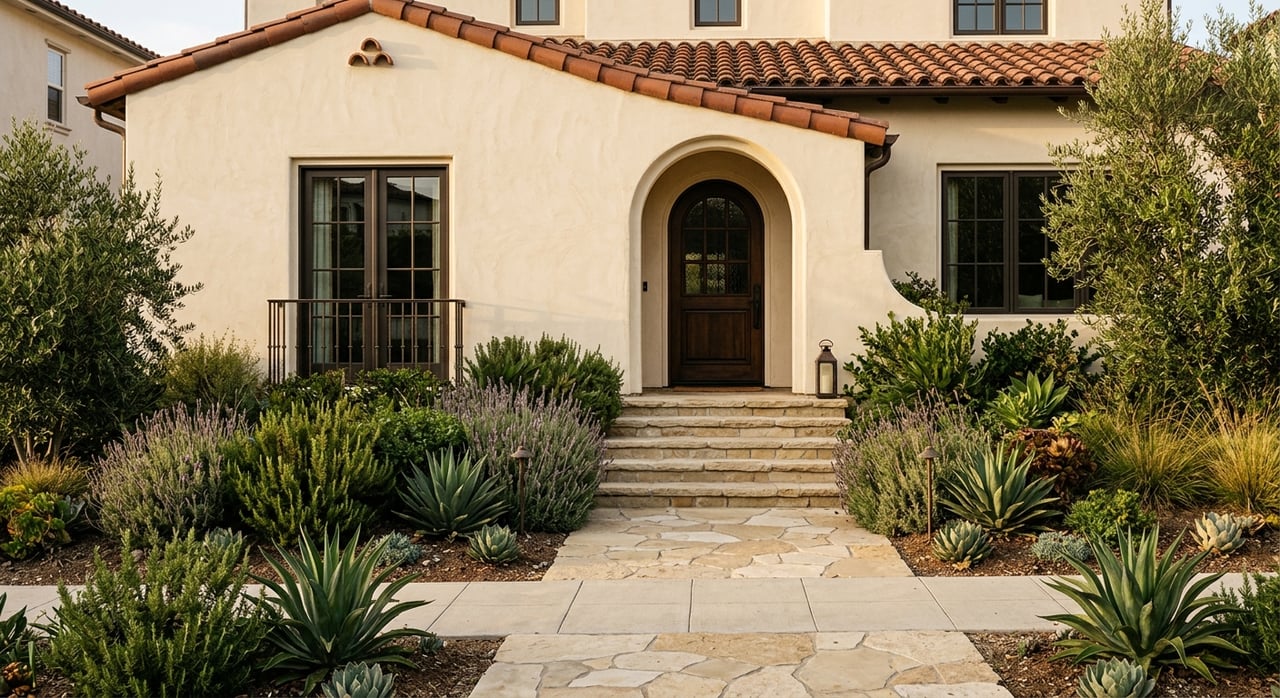
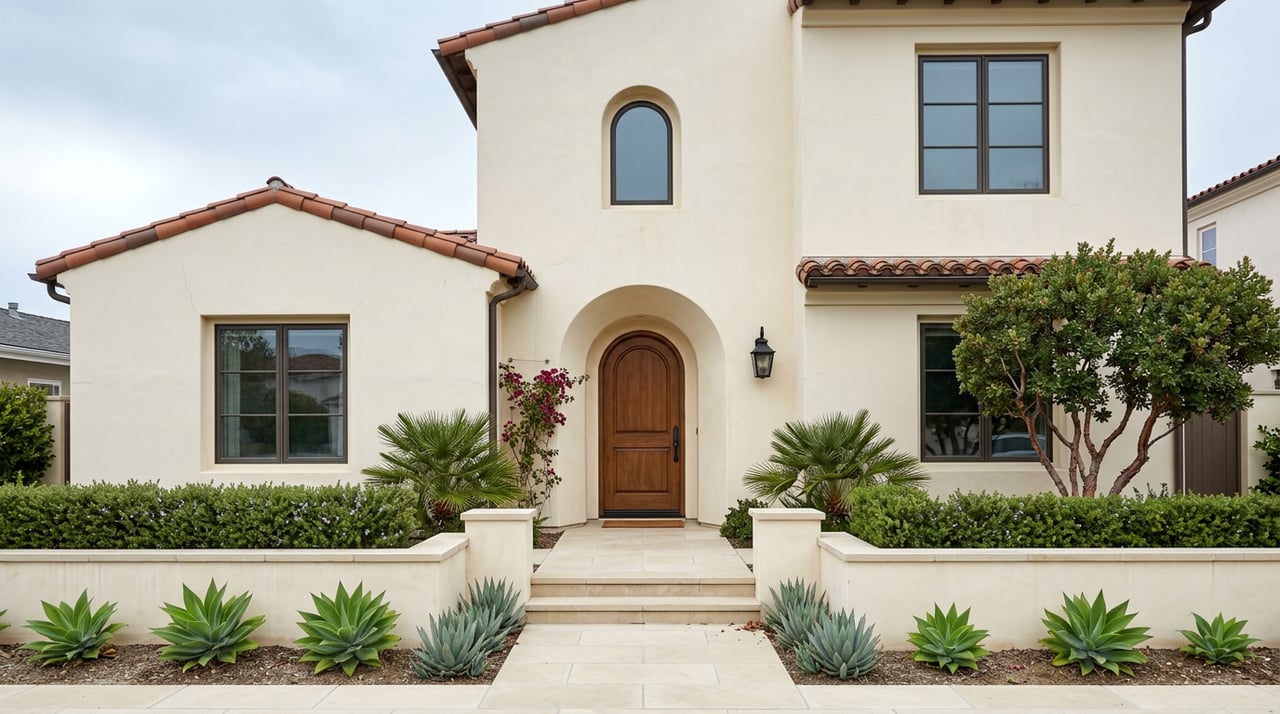
Rolling Hills Estates offers a different coastal lifestyle. You trade daily sand access for larger lots, privacy, and a hilltop setting on the Palos Verdes Peninsula. Many buyers choose RHE for space to spread out, equestrian amenities in some areas, and the calm of tree-lined streets that sit well away from summer tourism.
The drive to the Beach Cities is straightforward, and you can still enjoy ocean views from many parts of the Peninsula. If you want a quiet home base and you do not need to step onto the Strand daily, RHE often delivers strong value. It is a smart option to place on your list if you want more house and lot for your budget while staying within the South Bay.
Next steps
Your best move is to walk specific blocks at different times of day, compare exact comps, and map parking and event patterns. If you would like a clear side-by-side on a few addresses in Manhattan, Hermosa, Redondo, or Rolling Hills Estates, reach out. Gayle Probst can help you benchmark pricing, lifestyle fit, and long-term considerations so you can buy with confidence.
FAQs
How close to the sand should a daily beachgoer buy in the Beach Cities?
- If daily Strand access and views are your top priorities, focus on the first row or within 2 to 3 blocks, understanding you will pay a premium and accept tighter parking and more activity.
How does the marine layer affect comfort and energy use near the coast?
- Coastal mornings are often cooler and cloudier, with milder afternoons, which can reduce A/C needs but may increase the value of good insulation and dehumidification in some homes, as seen in NWS coastal forecasts and microclimate research.
What parking differences should I expect near the piers?
- Close-in blocks rely more on metered lots, time limits, and permits, with heavier turnover and seasonal crowding, as managed by cities like Hermosa and Manhattan Beach, so confirm rules for your specific block.
Do beachfront homes face higher maintenance from salt air?
- Yes. Salt accelerates corrosion and wear, so marine-grade hardware like 316 stainless and more frequent exterior finish cycles are smart investments for near-surf properties.
Should I consider Rolling Hills Estates if I want quiet and space?
- Yes. RHE offers larger lots, privacy, and a hilltop setting away from beach crowds while keeping you within an easy drive of the Beach Cities, which suits buyers who do not need daily sand access.