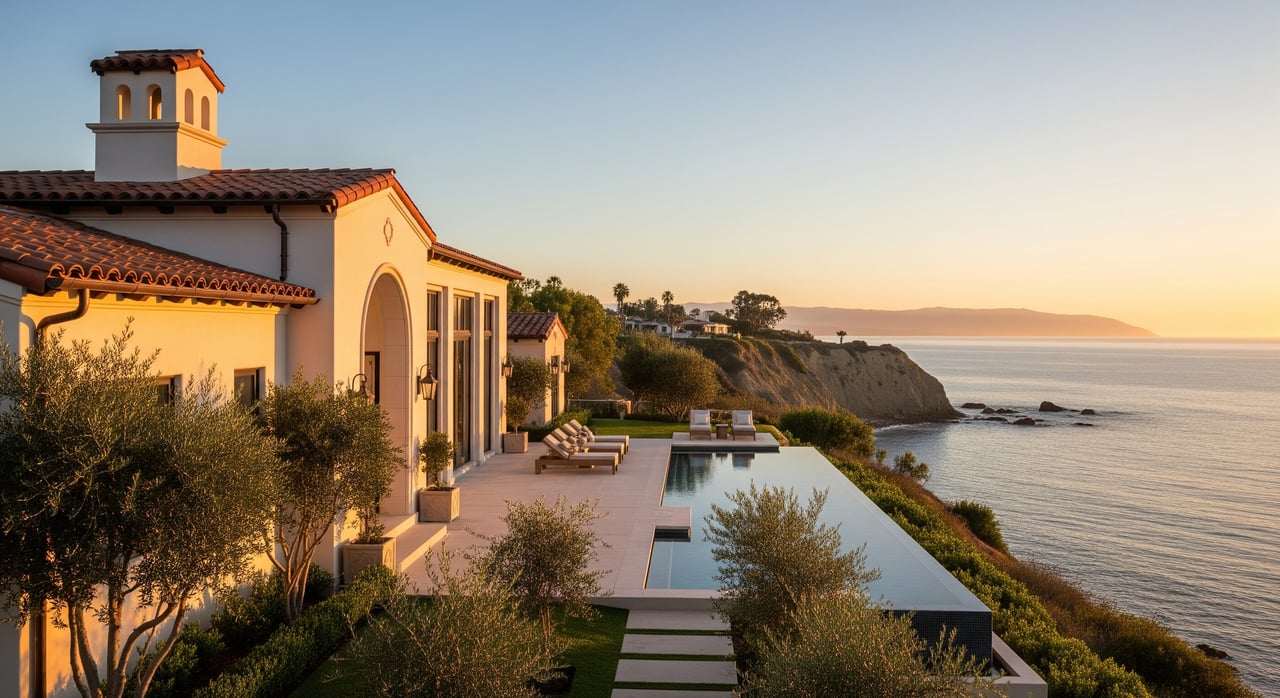
Torn between Palos Verdes Estates and Rancho Palos Verdes? You are not alone. Both offer coastal beauty, strong schools, and a relaxed Peninsula lifestyle, but the day-to-day feel can be very different. In this guide, you will compare neighborhoods, housing styles, lifestyle perks, and practical buying considerations so you can choose with confidence. Let’s dive in.
Palos Verdes Estates vs. Rancho Palos Verdes
Palos Verdes Estates (PVE)
- Small, highly planned city with a cohesive, village-like feel.
- Established homes, traditional architecture, and walkable pockets around areas like Malaga Cove and Lunada Bay.
- Community-centric lifestyle with neighborhood parks and local services close at hand.
Rancho Palos Verdes (RPV)
- Larger and more varied, with dramatic coastal bluffs, hillside neighborhoods, and open space.
- Broad mix of homes, including ocean-view estates, newer builds, and larger lots in some areas.
- Outdoor-focused living with trail systems, coastal access, and resort-style amenities.
Housing and market feel
- Property types: PVE leans toward single-family homes with mid-century and early 20th-century character, scaled to a planned neighborhood aesthetic. RPV offers greater variety, from contemporary remodels to bluff-top and hillside properties, including gated enclaves.
- Lot sizes and views: PVE tends toward smaller-to-medium lots in established neighborhoods. RPV often provides larger parcels and more opportunities for expansive ocean and bluff views.
- Supply and pricing dynamics: PVE’s limited parcels and cohesive character support steady demand and can preserve price premiums. RPV’s larger footprint creates more inventory variety, with view premiums that can also introduce price swings.
- Trends and timing: Both markets experience low turnover at times. Always verify current numbers like median price, days on market, and inventory through recent MLS data and local market reports before making offers.
Schools and family factors
- District: Both cities are served by the Palos Verdes Peninsula Unified School District (PVPUSD). The district is widely regarded as strong in Los Angeles County.
- Campuses: Local high schools include Palos Verdes High School and Peninsula High School. Attendance areas can vary by address, so confirm current school boundaries and enrollment policies.
- What to do next: Review district resources and state education data when comparing specific schools. Boundaries and programs can change, so verify details for any property you are considering.
Lifestyle and amenities
- Outdoor recreation: You will find bluff-top trails, coastal overlooks, and regional preserves across the Peninsula. RPV highlights include extensive trail networks such as the Portuguese Bend Reserve and access to resort-style destinations in the Terranea area. PVE emphasizes parks and intimate village centers with a classic neighborhood feel.
- Shopping and dining: PVE offers smaller-scale village shopping clusters and local services. RPV is more spread out, and residents often drive to nearby South Bay centers for major shopping needs.
- Community feel: PVE’s planned aesthetic and village pockets appeal if you want a cohesive neighborhood vibe. RPV’s varied topography and privacy appeal if you prefer more space and dramatic natural settings.
Commute and transportation
- Car-first reality: Both cities are primarily car-dependent suburbs. Public transit exists but is limited compared with urban parts of Los Angeles.
- Routes matter: Commute times depend on your neighborhood and route choices, including the 110 and 405 corridors and arterials like Hawthorne Boulevard. Test your drive during peak hours from the exact area you are considering.
Practical due diligence
- Design review and permits: PVE is known for stricter design and architectural controls in certain neighborhoods to preserve its planned character. Expect detailed review and potentially longer timelines for major remodels or rebuilds. RPV also requires permits and reviews that vary by zoning and neighborhood. Contact city planning early if you plan improvements.
- Geology and coastal hazards: Some RPV areas, especially around Portuguese Bend and select bluff-top zones, have a history of landslides and erosion. In both cities, confirm whether a property sits in a mapped landslide or erosion area, ask about past stabilization work, and plan for geotechnical reports when remodeling or building near bluffs or on steeper slopes.
- Insurance considerations: Standard homeowners insurance is available, but premiums can vary based on age and condition of the home. Coastal exposure and bluff proximity may require special endorsements or affect coverage. Earthquake insurance is separate statewide; obtain quotes early in your search.
- Taxes and assessments: LA County’s base property tax rate is approximately 1% of assessed value, plus local assessments and any bonds. Some neighborhoods may have additional assessments or HOA fees. Verify the parcel tax bill and any HOA documents during your contingency period.
- Inspections: In addition to general, roof, and pest inspections, consider sewer lateral evaluations, foundation and retaining wall assessments, and geotechnical reports for hillside or bluff-adjacent properties. For older homes common in PVE, budget for potential electrical or plumbing upgrades and check for historic materials.
Which city is right for you?
- You want village charm and walkable pockets: PVE’s cohesive design, intimate parks, and established homes may be a match.
- You want sweeping ocean views and privacy: RPV’s bluff and hillside neighborhoods, larger lots, and trail access often fit this priority.
- You want a mix of both: Focus on the edges where city boundaries meet, and compare specific streets to balance amenities, lot size, and views.
- You plan a major remodel or new build: Weigh PVE’s design-review timelines against your project goals. In RPV, factor in geotechnical requirements depending on location.
- You are selling: Both markets reward turnkey condition and well-presented outdoor spaces. View orientation, lot usability, and neighborhood context are key pricing drivers.
Decision checklist
- Verify the assigned schools and current district policies for the property address.
- Review recent MLS data for each city: median sale price, days on market, and relevant comparable sales.
- Confirm zoning, design-review requirements, and any HOA or CC&Rs.
- Pull the parcel’s tax bill to identify special assessments or bonds.
- Order a preliminary title report to surface liens or encumbrances.
- For bluff or hillside properties, obtain geotechnical and engineering evaluations.
- Get homeowners and earthquake insurance quotes early, noting any coastal or erosion-related exclusions.
- Ask the seller for disclosures about any landslide history, bluff stabilization, or geotechnical permits.
- Talk with city planning about permit timelines for your intended improvements.
- Visit the neighborhood at different times, including commute hours, to gauge traffic and noise.
Choosing between PVE and RPV comes down to your priorities. If village ambiance and classic architecture speak to you, PVE delivers. If you want space, trails, and expansive views, RPV offers variety. Either way, careful due diligence and neighborhood-specific guidance will help you buy with confidence.
Ready to compare properties or plan a sale? Connect with Gayle Probst to schedule a complimentary market consultation or request a free home valuation.
FAQs
Which city has better schools in Palos Verdes?
- Both cities are served by the Palos Verdes Peninsula Unified School District; verify your address assignment and review current district and state resources when comparing campuses.
Are home prices higher in PVE or RPV?
- It varies by neighborhood, lot size, and especially by view; confirm current median prices and trends through the latest MLS data before deciding.
How risky are landslides in Rancho Palos Verdes?
- Some RPV areas, notably around Portuguese Bend and certain bluff-top zones, have documented geotechnical activity, so obtain reports and review public hazard maps during due diligence.
Are permits harder to get in Palos Verdes Estates?
- PVE can have stricter architectural and design-review processes in certain neighborhoods, which may extend timelines; contact city planning early if remodeling or rebuilding.
Is walking to shops easier in PVE or RPV?
- PVE has more compact village centers with walkable pockets, while RPV is more spread out and typically requires driving for most errands.
Will coastal exposure affect my insurance?
- It can; proximity to bluffs and coastal conditions may influence coverage and cost, and earthquake insurance is separate, so get quotes early.
Do properties have extra taxes or fees in these cities?
- LA County’s base tax is about 1% of assessed value plus local assessments, and some neighborhoods add HOA fees or bonds, so review the parcel’s tax bill and HOA documents.