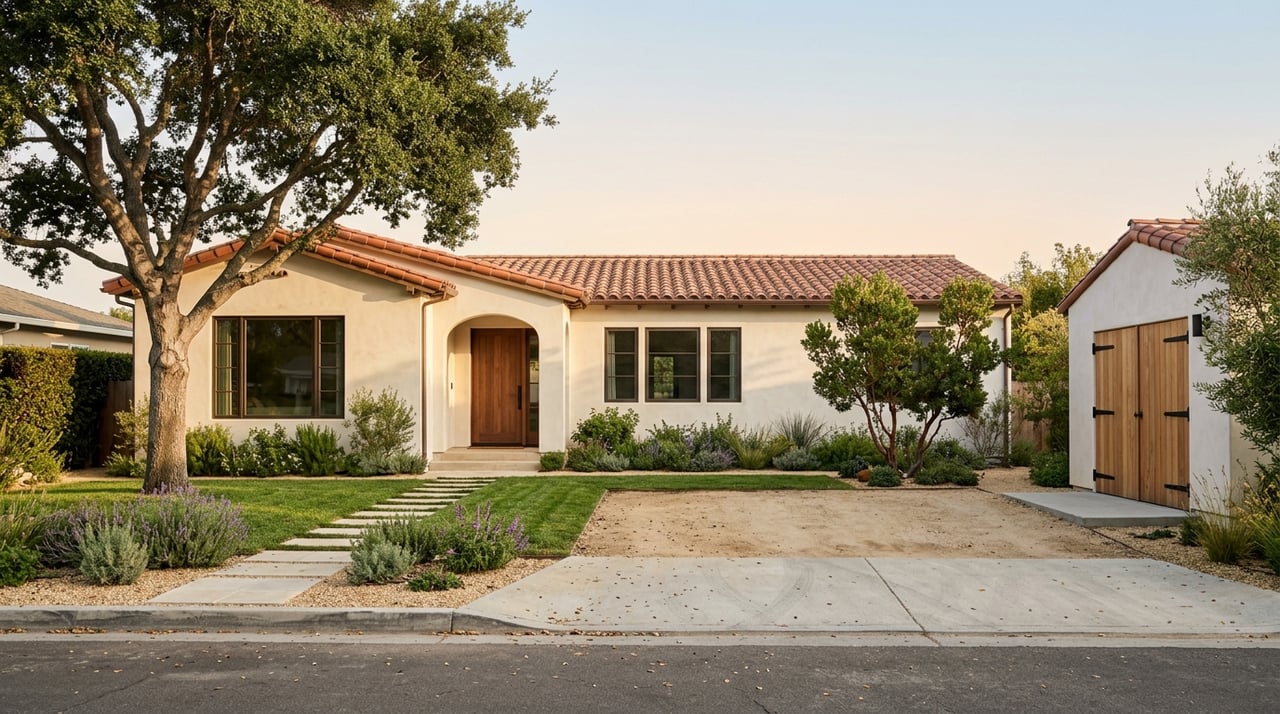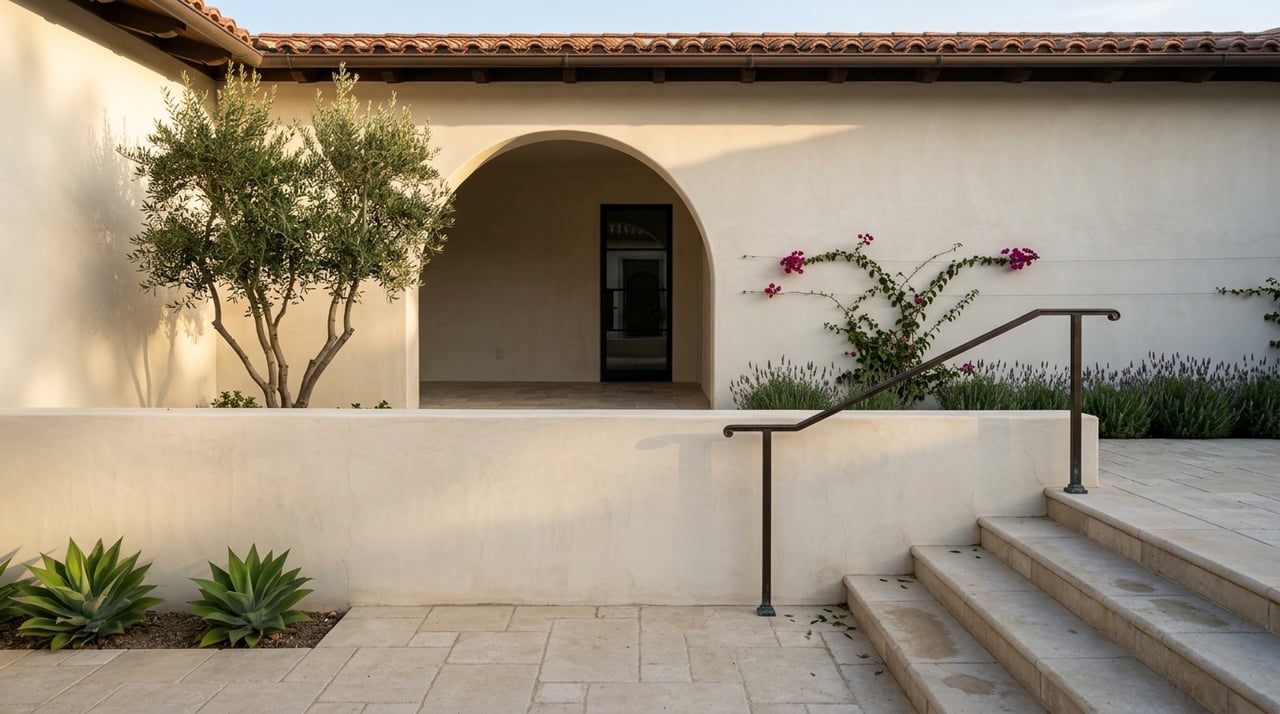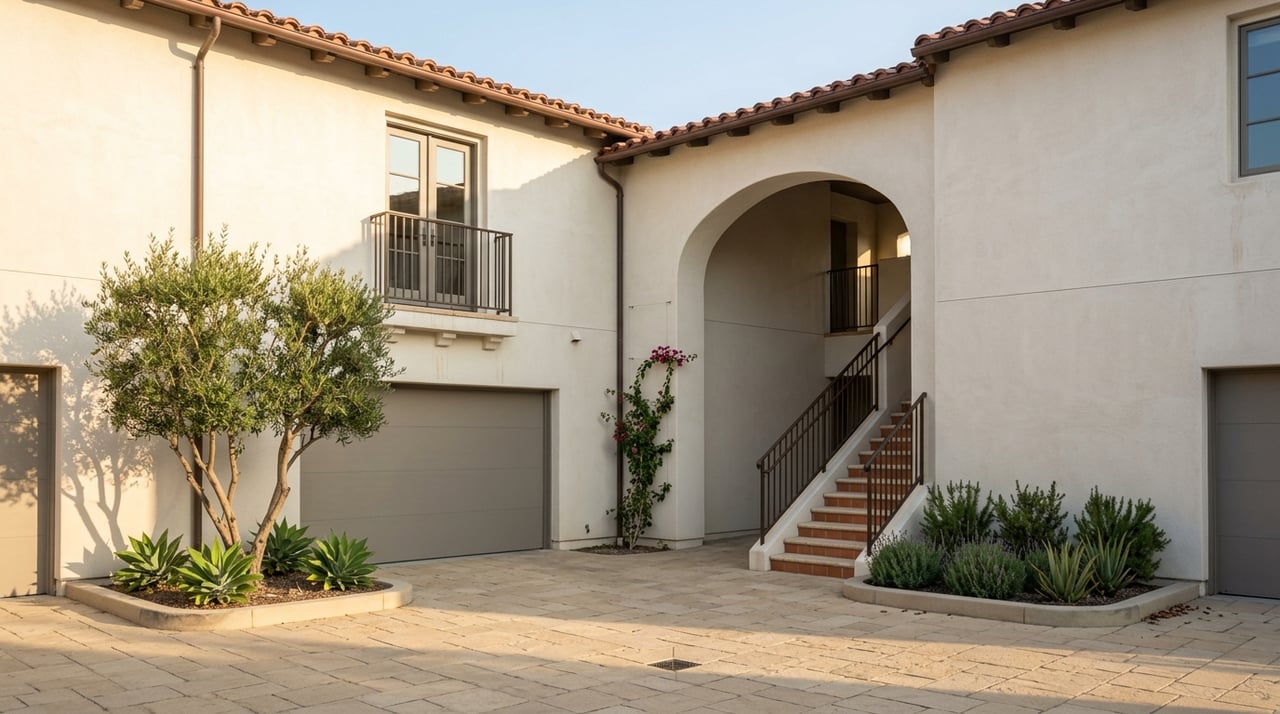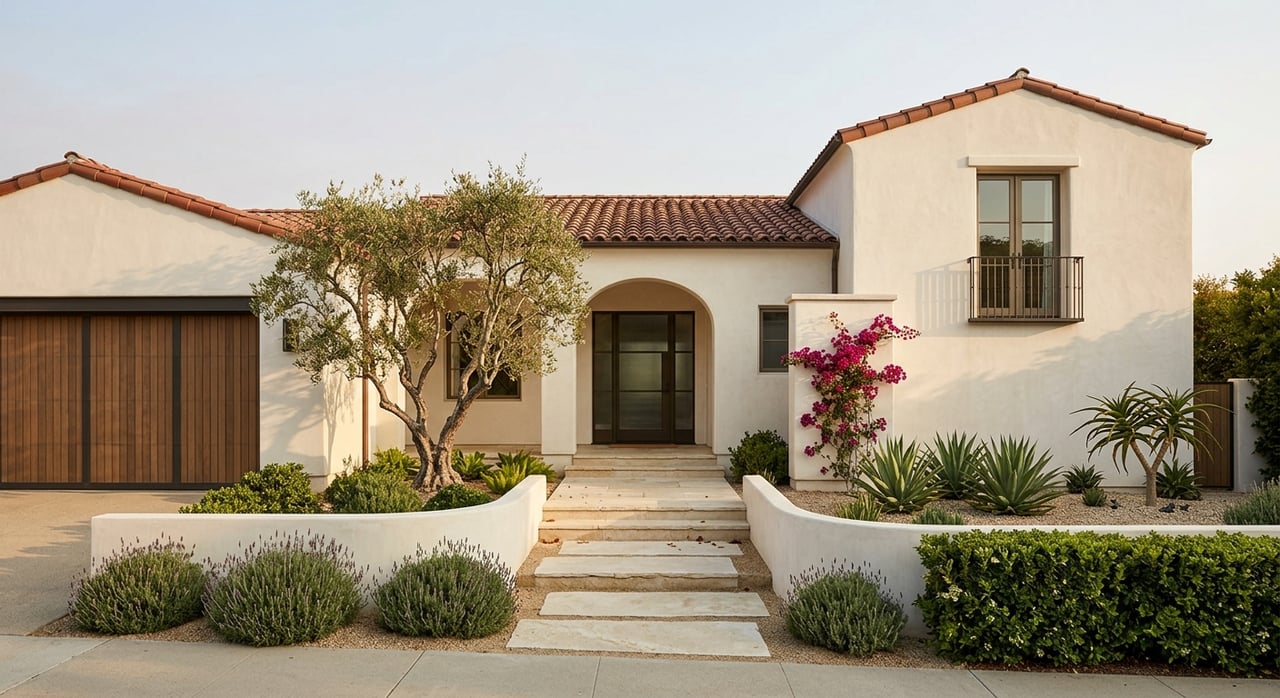
Thinking about trading Westside energy for ocean views, hillside streets, and more breathing room? If you are moving from Santa Monica, Venice, or Playa Vista to the Palos Verdes Peninsula, you are not just changing your address. You are changing how your days flow, how you get around, and what matters most in your home search. This guide will help you understand the biggest differences, what to watch closely, and how to relocate with more confidence. Let’s dive in.
What Changes When You Move
For many Westside buyers, the biggest shift is convenience versus space. On the Westside, you may be used to a denser setting with more walkable retail, more direct transit options, and quicker access to a busy coastal rhythm. On the Palos Verdes Peninsula, daily life often feels quieter, more residential, and more connected to open space.
That shift is rooted in the character of the Peninsula’s four cities: Palos Verdes Estates, Rancho Palos Verdes, Rolling Hills, and Rolling Hills Estates. Local city descriptions emphasize parkland, scenic views, trails, coastal bluffs, rolling hills, and preserved open space. If you are moving for more privacy, more land, and a calmer pace, the Peninsula often delivers exactly that.
Know the Four Peninsula Cities
The Palos Verdes Peninsula is not one city. It includes four separate cities, and each has a different feel, housing pattern, and set of local considerations. Understanding those differences early can save you time and narrow your search.
The Peninsula’s emergency-readiness system also treats these as four distinct cities and highlights how geography shapes daily life here. That matters because hillside roads, coastal access, and evacuation planning are part of owning a home in this area. It is a practical part of Peninsula living, not just a background detail.
Palos Verdes Estates
Palos Verdes Estates has a highly planned, design-sensitive character. The city says the original community was laid out by the Olmsted Brothers, and about 28 percent of its land area is permanent open space. That gives many neighborhoods a preserved, scenic feel that buyers often notice right away.
If you are considering remodeling, this city deserves extra attention during due diligence. Palos Verdes Estates says much of its Planning Commission work involves Neighborhood Compatibility applications, and most projects also require preliminary approval from the Palos Verdes Homes Association. In simple terms, you should not assume that future additions or exterior changes will be straightforward.
Lifestyle here leans toward passive recreation and coastal scenery. The city highlights bluff-top trails, pedestrian pathways, passive parks, and beach access from the 300 block of Paseo Del Mar. It also notes that the incline is steep and access is by walking only, which is useful to know if nearby beach access is high on your list.
Rancho Palos Verdes
Rancho Palos Verdes is the largest and most topographically varied part of the Peninsula. The city describes it through dramatic coastal setting, rolling hills, expansive open space, and a broad trail and park system. If you want variety in setting, views, and lot positions, this is often where you see it most clearly.
A major lifestyle draw is the Palos Verdes Nature Preserve. The city says the preserve covers about 1,500 acres across 15 reserves, with Portuguese Bend Reserve as the largest at 424 acres. For buyers who want hiking, biking, equestrian trails, and a strong connection to nature, this is a defining part of the Rancho Palos Verdes experience.
Rancho Palos Verdes also comes with one of the most important buyer caution points on the Peninsula. The city reports increased land movement since spring 2023 in parts of the Portuguese Bend area, including Seaview, Portuguese Bend Beach Club, and Portuguese Bend Community Association, with impacts including roadway damage, utility loss, and tagged homes. The city also says the landslide area has restrictions on new residential construction, which makes parcel-specific review essential in affected areas.
Rolling Hills Estates
Rolling Hills Estates offers a more suburban, equestrian-oriented setting. The city says it has more than 175 acres of park area, 25 miles of bridle paths, seven parks, 10 miles of bicycle paths, a tennis club, and stables. If you are leaving a compact Westside footprint and want more room with a trail-oriented lifestyle, this city often stands out.
Its location on the northeast side of the Peninsula can also matter for commute planning, depending on where you work. Buyers often appreciate the calmer setting while still wanting practical access to work, errands, and regional routes. That balance can make this area especially appealing for households trying to combine outdoor space with everyday function.
Rolling Hills
Rolling Hills has a more private, estate-like, and horse-oriented identity. City materials describe 25 to 30 miles of private equestrian trails open to riders and joggers from the city and neighboring jurisdictions, plus public open spaces, tennis courts, and riding rings. The terrain also includes steep hillsides and canyons, which shapes both the feel of the community and some property considerations.
For the right buyer, this pastoral setting is the point. If you want a more secluded environment and are comfortable giving up some of the immediacy of urban conveniences, Rolling Hills may feel like a strong fit. It is less about walkable activity and more about space, privacy, and landscape.
Commutes Feel Different Here
If you are coming from the Westside, transportation is one of the biggest adjustments. Metro’s current schedules show dense Westside service, including the E Line to Santa Monica and several major bus lines. On the Peninsula, transit is much more limited, with Metro Line 344 serving Palos Verdes via Hawthorne Boulevard, along with local Palos Verdes Peninsula Transit Authority service.
That does not mean transit is absent. Metro’s fare information confirms Palos Verdes Peninsula Transit Authority is part of the agencies that accept the Base EZ pass. Still, the practical reality is that most buyers moving from the Westside will compare driving routes and peak traffic patterns more than they will rely on direct rail service.
The smartest question is not just, “How far is the office?” It is, “Which route will I actually use at 8:00 a.m. or 5:30 p.m., and how often will I need to make that trip?” That answer can shape where on the Peninsula you feel happiest.
Why Route Redundancy Matters
One Peninsula-specific transportation issue deserves special attention. Rancho Palos Verdes says Palos Verdes Drive South typically accommodates about 16,000 daily trips, and the land-movement area has affected roadway reliability. If you commute often, host visitors regularly, or depend on service providers reaching your home easily, road access matters more than many first-time Peninsula buyers expect.
This is where local guidance becomes valuable. Two homes may look similar online, but their route options, hillside setting, and day-to-day accessibility can feel very different in real life. Testing your likely drive before you buy can help you avoid surprises.
Schools Require Address-Level Verification
For many relocating households, school planning is a major reason to move. Palos Verdes Peninsula Unified School District says it serves about 11,000 students across the four cities and the unincorporated Peninsula area. The district also notes that it includes two early childhood centers, ten elementary schools, three intermediate schools, two comprehensive high schools, one continuation school, and one distance-learning academy.
The district highlights 36 AP courses and a 97.3 percent four-year graduation rate. Those are useful facts, but the most important relocation takeaway is more practical: city name does not always equal school assignment. You should always verify school boundaries by property address.
That point matters because the district says some areas of Rolling Hills Estates and Rancho Palos Verdes are technically zoned for Los Angeles Unified School District. Eastview in Rancho Palos Verdes is one example specifically identified by the district. If school assignment is central to your move, address-level confirmation should happen early in your search, not after you fall in love with a home.
Recreation Becomes More Nature-Based
On the Westside, you may be used to lifestyle convenience tied to restaurants, shopping streets, and nearby activity. On the Peninsula, recreation often centers more on trails, parks, bluffs, preserve land, and club-based amenities. That shift can feel refreshing if you want more outdoor space built into your routine.
Each city expresses that lifestyle differently:
- Palos Verdes Estates focuses on passive parks, bluff-top trails, pedestrian pathways, and walking access to the beach.
- Rolling Hills Estates emphasizes equestrian trails, parks, bike paths, tennis, and stables.
- Rancho Palos Verdes centers on preserve land, trails, tidepool access, and open space.
- Rolling Hills leans into private equestrian trails, open space, and a more pastoral setting.
If you are relocating for a lifestyle change, this is where the Peninsula often shines. The appeal is less about being in the middle of everything and more about having beauty, quiet, and outdoor access close to home.
Review Rules Matter Before You Buy
One of the biggest mistakes Westside buyers can make is assuming future plans will be easy to execute. On the Peninsula, neighborhood compatibility rules, design review, and community-specific requirements can play a bigger role than expected. This is especially true if you are planning a renovation, addition, exterior update, or major landscape change.
Palos Verdes Estates is the clearest example, with formal Neighborhood Compatibility review and preliminary Palos Verdes Homes Association approval required for most projects. In other areas, the concerns may be more site-specific, such as hillside conditions, access, or land movement. Either way, it is smart to review these details before you make an offer based on a remodeling vision.
A Smart Relocation Checklist
A move from the Westside to the Peninsula usually goes more smoothly when you approach it as both a lifestyle change and a property search. The homes may be beautiful, but the right fit often comes down to details you cannot see in listing photos.
Use this checklist as a starting point:
- Verify the school boundary by exact address.
- Test-drive the commute at the actual time you will make it.
- Review HOA rules, design review requirements, and neighborhood compatibility standards.
- Ask detailed questions about road access and alternate routes.
- In hillside or coastal locations, order the right inspections and review disclosures carefully.
- In parts of Rancho Palos Verdes, pay special attention to parcel-specific geotechnical conditions and land-movement disclosures.
- Learn your evacuation zone through the Peninsula’s coordinated emergency-readiness system.
Why Local Guidance Helps
Relocating within Los Angeles can still feel like moving into a different world, and that is especially true when you move from the Westside to the Palos Verdes Peninsula. The Peninsula rewards buyers who look beyond square footage and finishes and think carefully about commute patterns, neighborhood rules, geography, and how they want daily life to feel.
That is where experienced local guidance can make a real difference. A Peninsula-focused advisor can help you compare city-by-city lifestyle tradeoffs, narrow down neighborhoods that match your priorities, and catch location-specific issues before they become costly surprises. If you are planning a move, Gayle Probst can help you explore the Peninsula with practical insight, clear communication, and personalized support.
FAQs
What is the biggest lifestyle change when moving from the Westside to the Palos Verdes Peninsula?
- The biggest shift is usually moving from a denser, more transit-rich, walkable environment to a quieter, more car-dependent community centered on space, views, open land, and neighborhood-specific character.
What should Westside buyers know about commuting from the Palos Verdes Peninsula?
- Most buyers should expect to rely more on driving routes than direct rail access, and they should test likely commute corridors at peak times before choosing a location.
What should homebuyers know about Rancho Palos Verdes land movement?
- In parts of the Portuguese Bend area, the city reports active land movement affecting roads, utilities, and some homes, so parcel-specific disclosures, inspections, and geotechnical review are especially important.
What should families know about Palos Verdes Peninsula school boundaries?
- School assignment should always be verified by address because some areas of Rolling Hills Estates and Rancho Palos Verdes are zoned for Los Angeles Unified School District rather than Palos Verdes Peninsula Unified.
What should buyers know about remodeling rules in Palos Verdes Estates?
- Buyers should know that Palos Verdes Estates has formal Neighborhood Compatibility review, and the city says most projects also require preliminary approval from the Palos Verdes Homes Association.
What makes recreation on the Palos Verdes Peninsula different from the Westside?
- Recreation on the Peninsula is generally more nature-based, with trails, preserves, parks, bluff-top access, equestrian amenities, and outdoor space playing a bigger role in daily life.