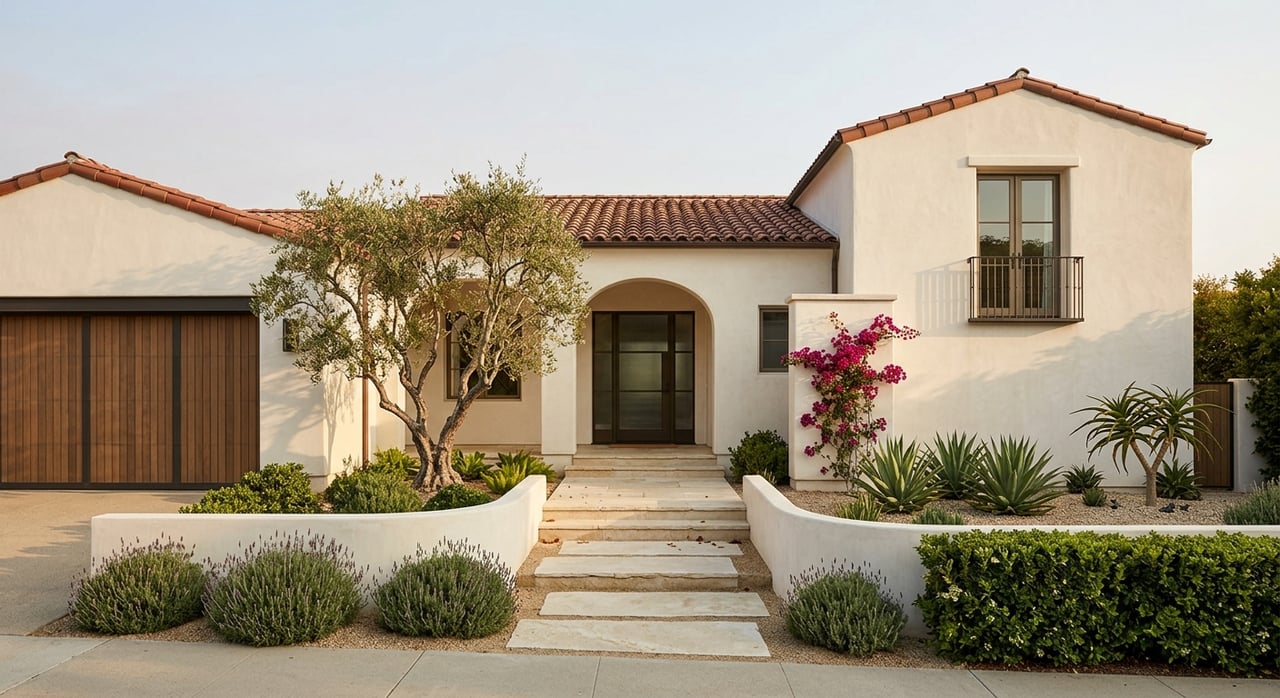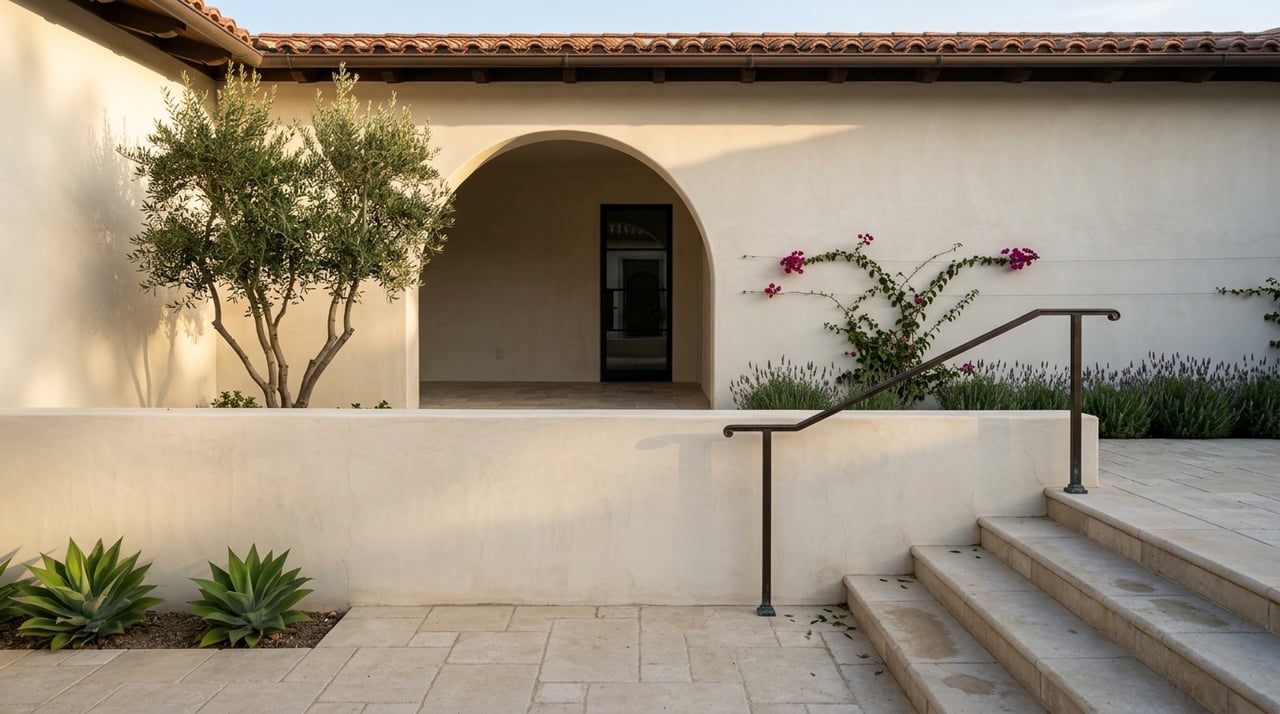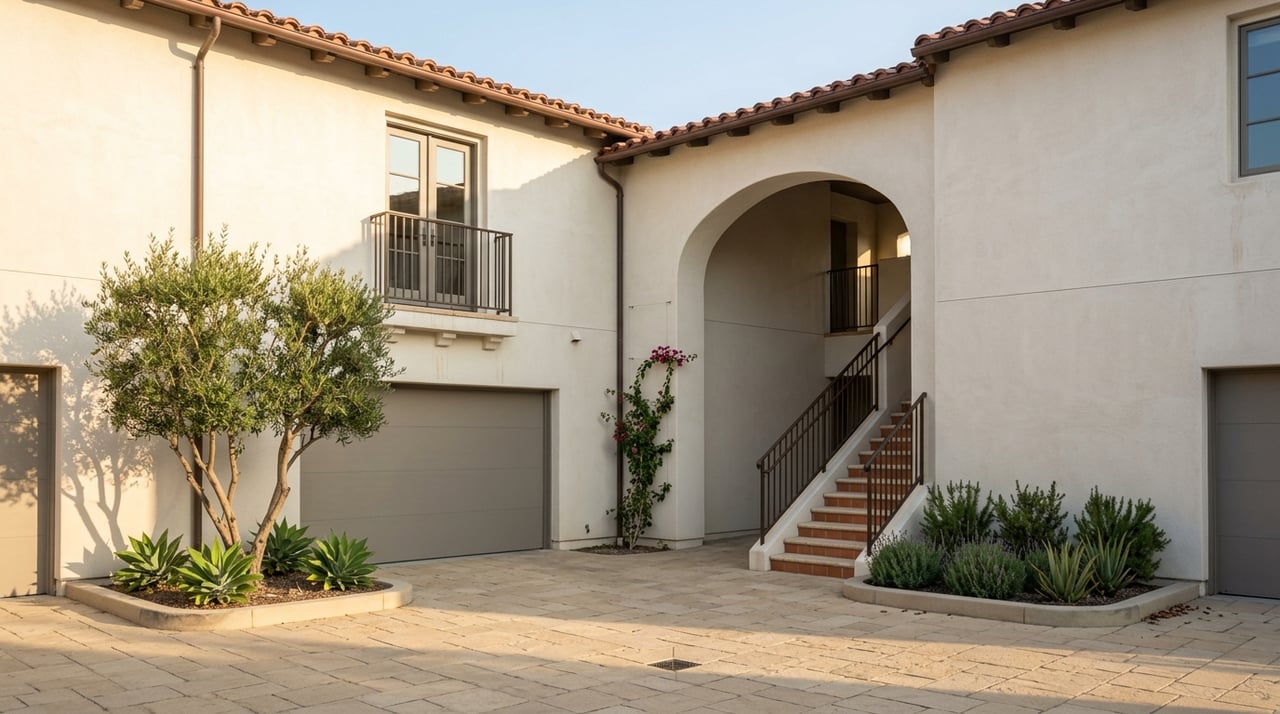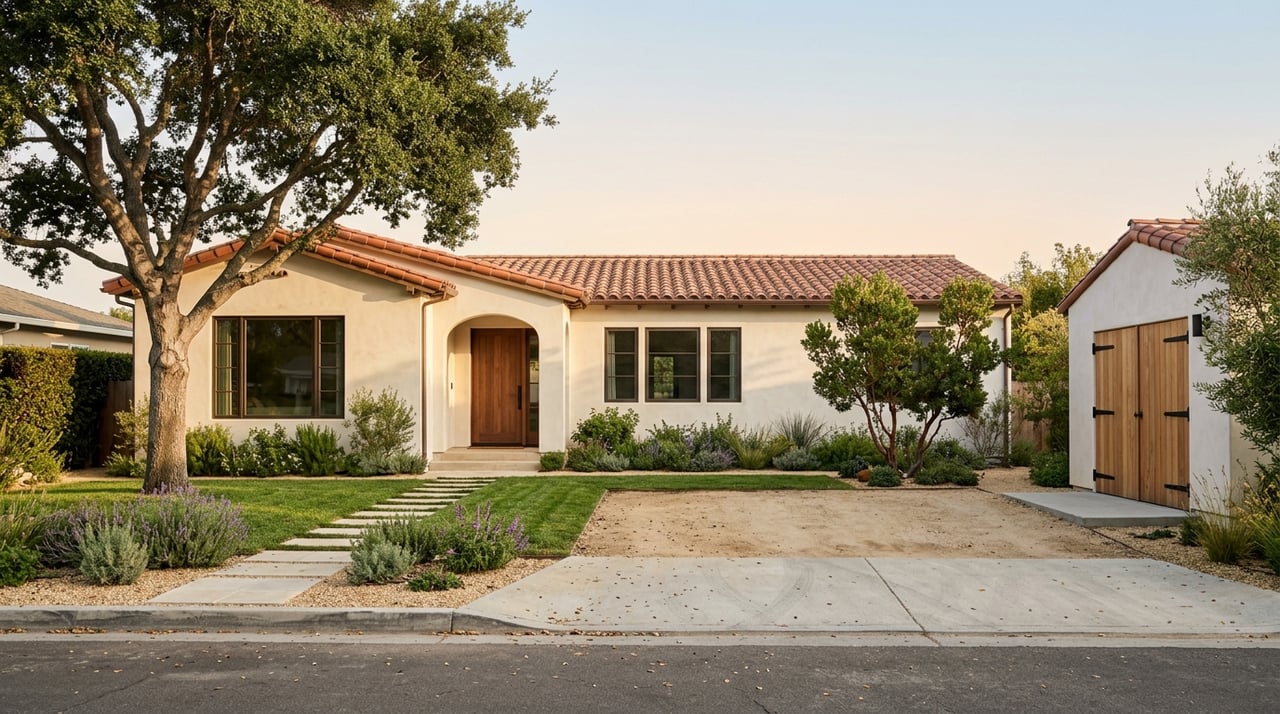
If your townhome no longer fits the way you want to live, moving to a ranch home in Rolling Hills Estates can feel like a meaningful upgrade, not just a change of address. You may be looking for more privacy, more outdoor space, or a simpler single-level layout that works better for the years ahead. This move comes with different pricing, property rules, and timing decisions, and understanding those details can help you plan with confidence. Let’s dive in.
Why Rolling Hills Estates Feels Different
Trading a townhome for a ranch home in Rolling Hills Estates is often about more than square footage. In this city, the shift is usually from attached or compact living to a lower-density setting where lot size, privacy, and neighborhood character play a much bigger role.
Rolling Hills Estates describes itself as a community shaped by a rural atmosphere and equestrian lifestyle. The city is known for rolling hills, white fences, bridle trails, and open space, which creates a very different feel from a typical townhome environment. The housing element also notes that the city covers about 3.6 square miles and had a 92% owner-occupied rate in the 2018 American Community Survey cited in that plan.
That owner-resident pattern helps explain why many buyers see the area as stable and established. It also means your move is not just about buying a detached home, but about stepping into a community with a distinct ownership model and long-term residential character.
What a Ranch Home Often Means Here
In Rolling Hills Estates, ranch-style living is closely tied to the city’s detached-home landscape. According to the housing element, 97% of the housing stock is single-family, while multi-family and mobile homes make up the remaining 3%.
For you as a buyer, that matters because the market here is built around detached homes on larger parcels. The same city document says the smallest allowable lot size for single-family homes is 10,000 square feet, which is very different from the lot configuration or shared-land setup common in many townhome communities.
A ranch home may also appeal if you want a single-level layout with easier day-to-day living. While every property is different, many buyers making this move are looking for more usable yard space, more separation from neighbors, and a home that feels grounded to the land rather than connected to shared walls and common areas.
Land, Privacy, and Neighborhood Identity
One of the biggest changes in this move is the way you think about value. In a townhome, value may center on interior updates, HOA amenities, and efficient use of space. In Rolling Hills Estates, land, setting, and neighborhood identity often carry more weight.
The city notes that it includes 30 neighborhood areas, each with its own character and HOA structure. That means two ranch homes with similar size can offer very different ownership experiences depending on lot configuration, views, access, neighborhood rules, and how the property sits within the community.
This is where local guidance matters. If you are used to comparing townhomes, you may need to widen your lens and look more closely at lot usability, outdoor maintenance needs, and the specific setting of each property.
Equestrian Features Are Local, Not Automatic
Rolling Hills Estates has a strong equestrian identity, but not every home is set up for horsekeeping. If horses are part of your long-term wish list, it is important to understand that this is a zoning and site-specific question, not a standard feature of every ranch property.
The city states that a property must be in the Horse Overlay zone to allow horsekeeping. It also limits properties to a maximum of four horses and requires at least 800 square feet of horsekeeping area for the first horse, plus 300 additional square feet for each extra horse.
There are also setback rules. The horsekeeping area must be at least 35 feet from any dwelling and 10 feet from a swimming pool. Those details show why you should confirm suitability carefully before assuming a parcel can support equestrian use.
Even if you do not plan to keep horses, the city’s equestrian infrastructure still shapes the lifestyle. Rolling Hills Estates says it maintains seven parks, 25 miles of equestrian trails, and 10 miles of bicycle path, along with public riding rings and the Peter Weber Equestrian Center.
What the Market Looks Like Right Now
If you are planning this move, it helps to think of pricing as a range rather than a single number. Current market reports point in the same general direction, but they measure different things on different dates.
Redfin’s April 2026 rolling data puts the median sale price at $1,558,945, with homes selling after 40 days on market and 29 homes sold in April. Redfin also describes the market as somewhat competitive, with average homes selling for about 1% below list price and going pending in around 35 days.
Realtor.com’s May 2026 summary shows 47 homes for sale, a median listing price of $1,190,000, a median sold price of $1,547,500, and median days on market of 49. It classifies the city as balanced and notes that homes sold for 99% of asking price on average.
Zillow’s April 30, 2026 snapshot shows a typical home value of $1,902,975, 34 homes for sale, and 14 new listings. Because these sources use different methodologies, the most useful takeaway is that inventory appears limited but active, and well-priced detached homes can still move quickly.
How to Plan the Townhome-to-Ranch Move
This kind of move works best when you build your strategy before your current home hits the market. If you wait until after listing to think through financing, timing, and contingencies, you may feel rushed when the right ranch home appears.
A practical starting point is to map out the basic money flow from your sale to your purchase. That includes your estimated townhome sale proceeds, your target down payment, expected closing costs, and moving expenses.
Consumer finance guidance notes that closing costs typically run about 2% to 5% of the purchase price, not including your down payment. For many move-up buyers, that means the net proceeds from the townhome sale play a major role in how comfortably the next purchase comes together.
Get Financing Ready Early
A preapproval can help you move faster when inventory is limited. Consumer finance guidance explains that a preapproval letter is tentative, often lasts 30 to 60 days, and sellers frequently want to see one before accepting an offer.
That timing matters in Rolling Hills Estates, where detached homes may not sit for long when they are priced well. If your goal is a ranch home, you will usually be better positioned if financing is in motion before you begin serious touring.
It is also wise to keep your credit and spending steady during the process. Guidance for buyers advises against taking out a car loan, making large credit-card purchases, or applying for new credit right before or during the mortgage process.
Decide on Your Sale-and-Buy Sequence
Many homeowners making this move try to sell first before buying the next home. That approach can make it easier to understand your true budget and reduce the risk of carrying two housing payments at once.
It can also help you write a stronger offer because you know what funds are available from your sale. In a market with inventory that is limited but moving, having a clear contingency strategy can make a real difference.
If you need your townhome sale to fund the ranch purchase, your timeline should be coordinated from the start. That includes pricing your current home thoughtfully, preparing it for market, and aligning your search so you are ready when the right opportunity appears.
What to Compare Beyond Price
When you move from a townhome to a ranch home, the checklist changes. Price still matters, but so do the land-related details that affect how the property lives every day.
As you compare options, focus on:
- Lot size and usable outdoor space
- Single-level layout and room flow
- Privacy from neighboring homes
- Neighborhood setting and HOA structure
- Maintenance demands for yard, slope, or exterior areas
- Whether any equestrian goals are actually supported by zoning and site conditions
These factors can shape your long-term satisfaction just as much as the floor plan. A home that looks similar on paper may feel very different once you consider the lot and setting.
Why Local Knowledge Helps
Rolling Hills Estates is not a market where every detached home fits the same mold. Neighborhood identity, lot characteristics, and local rules can all affect value and day-to-day use.
That is why a townhome owner moving into this market benefits from guidance that goes beyond the listing sheet. You want a clear read on pricing, realistic timing, and the practical differences between one neighborhood area and another.
With a move like this, the goal is not simply to buy more house. The goal is to buy the right property for how you want to live next.
If you are thinking about trading your townhome for a ranch home in Rolling Hills Estates, a clear plan can help you make the move with less stress and better timing. For personalized guidance on pricing your current home, evaluating local inventory, and building a smart buy-sell strategy, connect with Gayle Probst.
FAQs
What makes Rolling Hills Estates different from a typical townhome market?
- Rolling Hills Estates is defined by a rural atmosphere, detached homes, larger lots, neighborhood variety, and a strong owner-occupied character, which creates a very different feel from attached housing communities.
What should you know about ranch home lot sizes in Rolling Hills Estates?
- The city reports that the smallest allowable lot size for single-family homes is 10,000 square feet, so ranch home ownership here often involves more land and more site-related considerations than a townhome purchase.
Can every ranch home in Rolling Hills Estates allow horses?
- No. The city says horsekeeping requires a property to be in the Horse Overlay zone, and there are specific area and setback requirements that must be met.
How competitive is the Rolling Hills Estates housing market?
- Recent market data suggests a balanced to somewhat competitive market, with limited inventory, homes often selling close to asking price, and median days on market generally falling in the 40- to 49-day range.
Should you sell your townhome before buying a ranch home in Rolling Hills Estates?
- Many homeowners choose to sell first so they can better understand their budget, use sale proceeds for the next purchase, and reduce the risk of overlapping payments.
Why does preapproval matter when buying a ranch home in Rolling Hills Estates?
- Preapproval can help you act quickly when a well-priced home becomes available, and sellers often want to see a preapproval letter before accepting an offer.