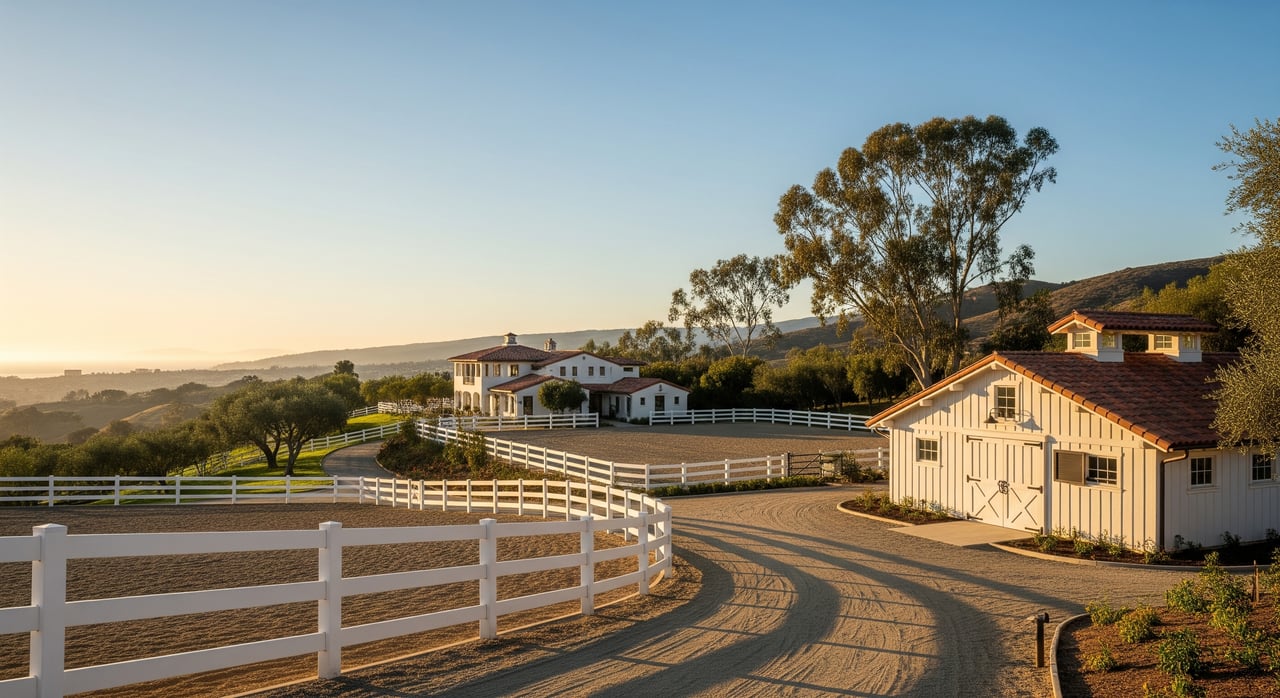
Wondering if a Rolling Hills Estates home really counts as a horse property? You are not alone. Between zoning rules, CC&Rs, and practical site needs, the definition can be confusing. In this guide, you will learn exactly what to verify, which permits and documents to ask for, and how to spot red flags so you can move forward with confidence. Let’s dive in.
What “horse property” means in Rolling Hills Estates
Functional definition buyers use
A horse property is a home where you can keep and care for horses on-site without violating local rules or private restrictions. Most buyers expect space for paddocks or turnout, a barn or shelter, secure fencing, safe access to riding areas, and workable water and waste systems. Trail proximity on the Peninsula is also a major plus.
Personal use vs commercial operations
Keeping a small number of personal horses is different from running a boarding or training business. Commercial activities often need a business license and city approvals, and they may be limited by CC&Rs. Always confirm intended use before you buy or build.
Trail access and community context
Rolling Hills Estates sits within a broader Peninsula network of open space and bridle paths. Verify permitted equestrian use and trail connections through the Palos Verdes Peninsula Land Conservancy. Many buyers value direct or convenient access, but access rights and easements vary by parcel.
Zoning, permits, and rules you must verify
City zoning determines whether horses and related structures are allowed on a parcel, and what approvals are required. Start with the City’s planning staff and the municipal code.
- Review the city code and permitted uses for your zoning district using the Rolling Hills Estates Municipal Code.
- Contact the City’s Planning and Building team to request a zoning verification letter and permit history for equestrian improvements. The city portal is the best entry point for applications and contacts: City of Rolling Hills Estates.
- Obtain and read the full CC&Rs and HOA rules for your tract. Private covenants can be more restrictive than city rules and are enforceable.
- Confirm building permits for barns, arenas, sheds, and any structures that changed occupancy or required inspections. Unpermitted work can delay escrow and lead to costly corrections.
- Check county-level requirements if the property relies on a septic system or well. The Los Angeles County Department of Public Health outlines environmental health standards at Environmental Health. For grading, drainage, and road access questions, consult LA County Public Works.
- If you plan any commercial boarding or lessons, confirm business licensing and conditional use needs with the City. CC&Rs may prohibit commercial use.
Site features buyers expect
Lot size and usable area
Acreage alone is not the full story. Usable flat area, slope, and easements determine where you can place stalls, turnout, and an arena. There is no statewide horses per acre rule. The allowed number comes from zoning, CC&Rs, and practical welfare standards.
Water, septic, and drainage
Horses need reliable water supply, whether municipal or a verified well. If there is a septic system, confirm permits and capacity, especially if you plan wash racks or adding a bathroom near the barn. Review drainage and erosion control on sloped sites to avoid runoff into neighboring properties.
Fencing, setbacks, and safety
Local codes and CC&Rs often regulate fence height, materials, and placement. Some fence types are prohibited in residential areas. Verify setbacks from property lines, roads, and waterways before you modify fencing or add corrals.
Barns and outbuildings
Barns, tack rooms, loafing sheds, and arenas may require permits and inspections. Fire safety matters on the Peninsula. Confirm brush clearance, access for emergency vehicles, and defensible space rules with the City.
How many horses are allowed?
There is no single statewide number. Your specific count depends on zoning and private restrictions, plus practical capacity for turnout, water, and manure management. Ask the City for written confirmation of animal limits for your parcel, and verify that CC&Rs do not impose stricter limits.
Transaction checklist for escrow
Use this checklist to verify status and reduce surprises.
Documents to request from the seller:
- Zoning verification or letter from the City of Rolling Hills Estates planning department.
- Current zoning map and code excerpts that apply to the parcel.
- Full CC&Rs, HOA rules, and any recent HOA correspondence or violation notices.
- Preliminary title report showing easements and recorded restrictions.
- Building permit history and inspection sign-offs for barns, arenas, fences, and outbuildings.
- Septic and well records, including permits and recent service.
- Recent pest or structural reports for barns and outbuildings.
- Any conditional use permits or business licenses for prior boarding or training.
Inspections and verifications to order:
- General home and property inspection that includes barn structure, fencing integrity, and arena base.
- Septic evaluation, and percolation if you expect increased load.
- Well yield and water quality testing if on a private well.
- Drainage and erosion review for sloped or graded areas.
- Fire safety and defensible space check.
- Environmental constraints review for habitat and slope limits, and confirm intended improvements with City or County maps.
Red flags that need more review
- Unpermitted barns, arenas, or fences that may be expensive to legalize.
- CC&Rs or HOA rules that prohibit horses or restrict outbuildings and fencing.
- Limited water supply or a failing septic system.
- No legal access for horse trailers, or unclear easements to reach bridle trails.
- Past complaints or code enforcement tied to animal keeping.
- Steep slopes or environmental constraints that block necessary facilities.
Insurance and liability basics
Personal horse keeping and commercial boarding have different risk profiles. Some insurers require equine liability endorsements, and commercial operations often need specialized policies. For general insurance guidance, review the Insurance Information Institute. For best practices and statewide equine topics, the California Horse Council provides helpful resources. Consult your insurance broker early in the process.
Local resources
- City of Rolling Hills Estates, Planning and Building contacts and forms: rollinghillsestatesca.gov
- Municipal code and zoning details: Rolling Hills Estates Municipal Code
- Septic and environmental health standards: LA County Public Health, Environmental Health
- Grading and drainage permits and records: LA County Public Works
- Parcel and tax information: LA County Assessor
- Trail maps and permitted uses: Palos Verdes Peninsula Land Conservancy
Next steps
- Get the CC&R or HOA packet and a zoning verification letter from the City as soon as you are serious about a property.
- If you are buying, order specialized inspections for barns, fencing, drainage, septic, and wells, and have title review all easements.
- If you are selling, gather permits and inspection sign-offs for equestrian improvements, and address any unpermitted work or disclose clearly.
- If you plan to add stalls, build an arena, or start a boarding or training business, consult City planning staff about permits before you commit to the purchase.
When you want local, practical guidance from a trusted Peninsula advisor, reach out to Gayle Probst for a conversation about your goals and the steps that fit your timeline.
FAQs
What counts as a legal horse property in Rolling Hills Estates?
- A property where zoning and CC&Rs allow horses on-site, core structures are permitted, and water, waste, and access support safe personal horse keeping.
How do you confirm zoning for horses in Rolling Hills Estates?
- Request a zoning verification letter from the City and review the municipal code, then match those rules to your parcel and CC&Rs.
Can you board horses commercially at home in Rolling Hills Estates?
- Possibly, but you will likely need a business license and city approvals, and CC&Rs may restrict or prohibit commercial operations.
What inspections are essential before buying an equestrian property?
- Home and property inspection plus barn structure, fencing, arena base, septic or well, drainage and erosion, fire safety, and a review of environmental constraints.
How can you verify trail access near a property?
- Check recorded easements in the title report and review trail connections and permitted uses with the Palos Verdes Peninsula Land Conservancy.